
How to Issue a 1099 Form: Step-By-Step Guide for Contractors

Understanding the Importance of Issuing 1099 Forms for Contractors

Issuing 1099 forms for contractors is not just a clerical task; it’s a critical aspect of maintaining compliance with IRS regulations. For businesses, this process ensures that all contractor payments over the $600 threshold are properly reported, which helps in avoiding potential penalties and fines. Failure to issue 1099 forms can lead to serious financial implications, impacting both the contractor and the business involved.

Properly managing 1099 forms confirms that payments made to contractors are transparent and in line with IRS requirements. It also supports businesses in staying organized, tracking expenses more accurately, and achieving a clear financial overview. This precision is especially crucial at tax time, providing peace of mind by ensuring all incomes are documented and reconciled.

Besides regulatory compliance, accurate 1099 form issuance aids in building trust and credibility with contractors. Transparent reporting helps to foster professional relationships, as contractors appreciate working with organizations that adhere to proper financial practices.

Identifying Independent Contractors

The distinction between employees and independent contractors is a crucial one, especially when it comes to issuing 1099 forms. The IRS sets specific criteria to determine this classification, and it’s essential for businesses to understand these parameters to ensure compliance. Misclassification can lead to financial penalties and complications during tax reporting.

Key Characteristics of Independent Contractors

Independent contractors typically have distinct features that set them apart from employees. These characteristics help businesses identify whether someone should receive a W-2 or a 1099 form:

  • Autonomy: Contractors usually exert more control over how, when, and where they complete their work.
  • Financial Independence: They often provide their own tools and equipment, and have the opportunity to incur a profit or a loss.
  • Project-Based Work: Contractors tend to work on defined tasks or projects, with a clear start and end date.
  • No Permanent Obligation: Unlike employees, contractors typically do not have ongoing obligations with the business.

Forming the Basis for Issuance of 1099 Forms

One critical step in managing independent contractors is collecting their information accurately through a Form W-9. This form is a request for a taxpayer identification number (TIN), which is vital for reporting payments made over $600 on a 1099 form. Ensure that all independent contractors complete a W-9 to avoid delays or errors in financial record-keeping.

According to IRS regulations, ensuring that a worker is correctly classified supports legal compliance and smooth business operations. This classification affects not just the issuance of 1099 forms but also the overall employer-contractor relationship. Consequently, businesses should prioritize thorough background evaluations and establish clear agreements to confirm their contractors’ status.

Utilizing technology platforms can greatly streamline these processes, empowering businesses to effortlessly manage contractor information and compliance checks. Tools that integrate seamlessly into accounting systems can simplify data entry and retrieval, helping to minimize administrative burdens. Explore options like WERX, where you can find solutions to effectively handle contract projects through seamless integrations. To learn more, consider how QuickBooks Integration via WERX can enhance your contractor management experiences.

Selecting the Right Platform for Issuing 1099 Forms

How to Issue a 1099 Form: Step-By-Step Guide for Contractors

Choosing the appropriate platform for issuing 1099 forms is pivotal for efficient and error-free contractor management. Given the complexity surrounding tax compliance, the selection of accounting or payroll software can significantly affect how smoothly 1099 forms are handled. Beyond simple data entry, the right software should also offer functionalities that integrate seamlessly with existing systems to streamline operations.

Key Considerations in Choosing a Platform

When selecting a platform to issue 1099 forms, consider these essential factors:

  • Integration Capabilities: Ensure the platform you choose can easily integrate with existing accounting software such as QuickBooks for streamlined data handling. Platforms that allow for seamless integration reduce the risk of data entry errors and save valuable time.
  • Ease of Use: The platform should be user-friendly, with intuitively designed interfaces that facilitate straightforward data entry and retrieval processes.
  • Compliance Features: Look for software that is continually updated to comply with the latest IRS regulations, reducing the risk of penalties due to outdated procedures.
  • Automation: Features like automated reminders and batch processing for multiple 1099 forms can greatly enhance productivity and efficiency.

Enhancing Operations with QuickBooks Integration

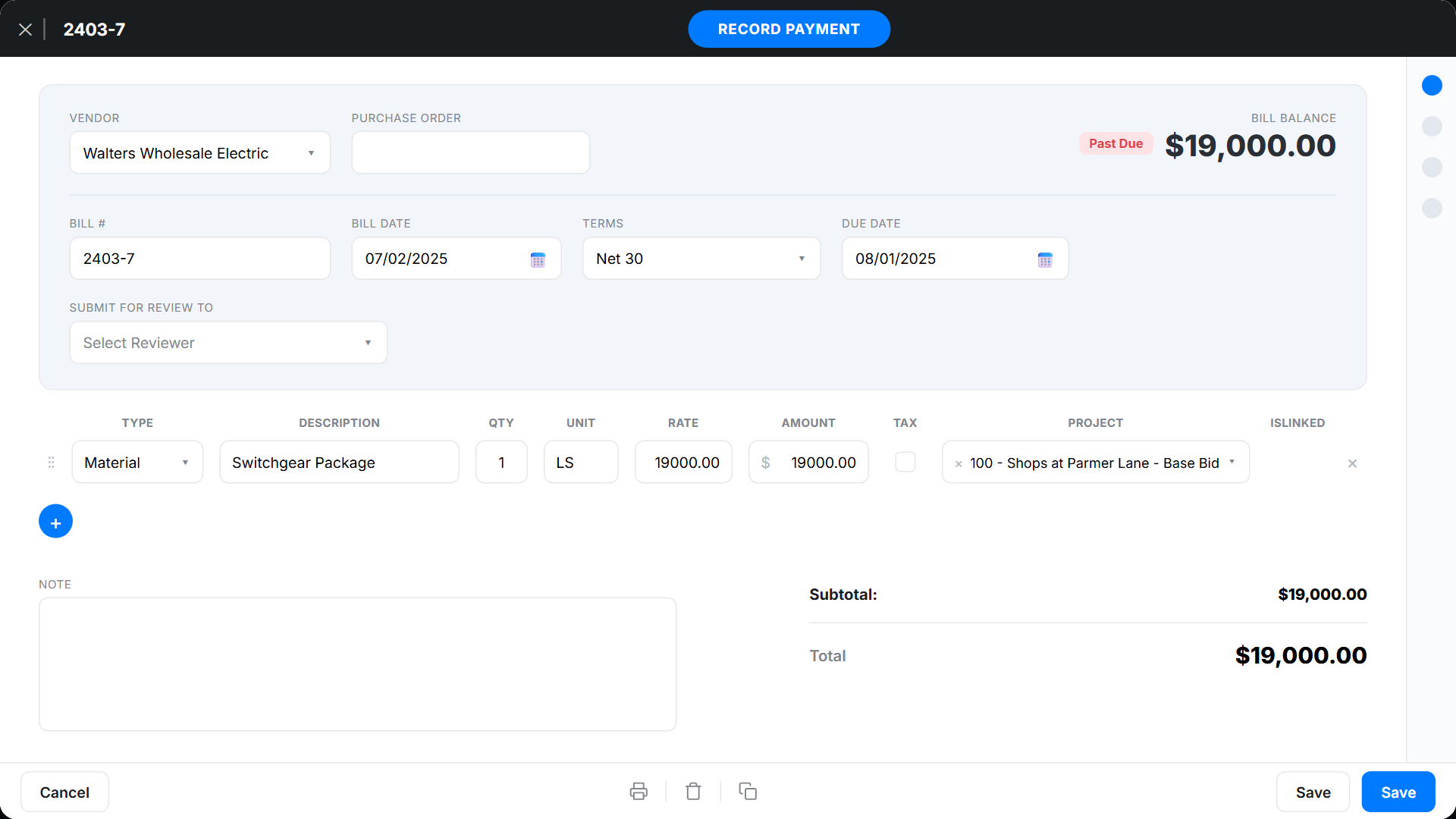
One example of an effective integration is between WERX and QuickBooks. This integration streamlines contractor management by enabling the automatic syncing of contractor data between platforms. This way, payments recorded in QuickBooks can be effortlessly tracked, ensuring the issuance of accurate 1099 forms.

For businesses managing a significant number of contractors, this kind of integration facilitates the direct transfer of crucial financial data, thus minimizing human error and enhancing overall operational flow. By adopting platforms like WERX that offer robust integration capabilities, companies can achieve more precise financial management and maintain stronger compliance with IRS regulations.

Ultimately, the selection of an efficient platform for managing 1099 forms contributes significantly to simplifying and securing your contractor management processes. To explore the potential of streamlined operations, consider the benefits of QuickBooks Integration through WERX, and discover how this functionality can facilitate compliance and enhance business efficiency.

Steps to Generate and Submit 1099 Forms

Once you’ve identified your independent contractors and chosen the right platform, the next step is generating and submitting 1099 forms. Compiling this information can be daunting, but by adhering to a structured process, organizations can ensure compliance and accuracy in their financial reporting.

Step 1: Input Contractor Information

Begin by accurately inputting all necessary contractor information into your chosen platform. This includes details such as the contractor’s name, address, taxpayer identification number (TIN), and total amount paid during the year. Using features within integrated platforms can streamline this process by auto-populating information from forms like the W-9.

Step 2: Generate the 1099 Form

Once contractor data is accurately logged, proceed to generate the 1099 form. Many software platforms offer templates that guide you through the procedure, ensuring all necessary fields are completed. Double-check these forms for errors or omissions, as inaccuracies may lead to reporting issues with the IRS.

Step 3: Verification and Review

Verification is a critical step where you review generated forms for completeness and accuracy. Ensure that all contractor data matches what you have on file and that the forms align with IRS standards. It’s advisable to perform cross-checks against your financial records to confirm that paid amounts are accurately reported.

Step 4: Submit Forms

Once verified, submit the 1099 forms to both the IRS and the contractor. Submission can be executed via electronic methods through platforms approved by the IRS, or paper forms can be mailed. Electronic submission is generally encouraged as it reduces postal delays and offers immediate validation confirmation.

Fulfilling submission deadlines is crucial to avoid potential penalties. Typically, forms must be submitted to contractors by January 31 and to the IRS by the end of February for paper forms or by March 31 for electronic filings.

By carefully following these steps, businesses can ensure the accuracy and timeliness of their 1099 form submissions, thus avoiding any unnecessary compliance issues. To facilitate a smooth process, using advanced contractor management systems, such as WERX, can help simplify these tasks, enhance accuracy, and ensure you stay ahead of IRS deadlines. For an in-depth look into features that aid in these processes, explore the offerings at WERX and consider maximizing their potential with a free 30-day trial.

Ensuring Accurate Records and Compliance

Maintaining precise records and ensuring compliance in the handling of 1099 forms is paramount for any business that employs independent contractors. The documentation process not only facilitates efficient audits but also upholds accurate financial management, which can safeguard against costly penalties and compliance pitfalls.

Best Practices for Record Keeping

When it comes to 1099 form management, meticulous record-keeping is essential. Follow these best practices to streamline your processes:

  • Centralize Data Storage: Utilize a comprehensive software platform that allows for the centralization of all contractor-related data, making it easily accessible for auditing and compliance checks.
  • Regularly Update Records: Accurately update your records as payments are made and information changes, to reflect current contractor statuses and payment amounts.
  • Organize Supporting Documents: Maintain a well-structured archive of all supporting documents, such as W-9 forms, contract agreements, and payment receipts, that can substantiate data on the 1099 forms.
  • Implement Digital Backups: Protect records by implementing digital backups to safeguard against data loss due to unforeseen circumstances.

Compliance Benefits

Having organized records and compliance systems in place not only simplifies the 1099 process but also offers numerous benefits:

  • Audit Preparedness: Well-maintained records prepare your business for potential audits, reducing stress and the time required to gather necessary information.
  • Enhanced Financial Management: An organized approach ensures accurate tracking of business expenses and improves decision-making through clear visibility of financial outflows.
  • Risk Mitigation: By adhering to compliance standards and maintaining proper records, businesses mitigate the risks of penalties caused by misfiled or inaccurate 1099 forms.

Leveraging specialized software like WERX can ease the burden of maintaining compliance and accurate records. Such platforms offer automated features that enhance the accuracy and efficiency of managing contractor documentation. Moreover, contractor accounting software seamlessly integrates these practices, assisting businesses in adhering to IRS standards while optimizing financial management processes.

Adopting a disciplined record-keeping and compliance strategy is crucial for any business reliant on contractors. By doing so, you not only streamline your operational processes but also build a robust foundation for continued growth and regulatory success. Start leveraging WERX today and explore these options with a free 30-day trial to experience an intuitive and streamlined approach to contractor management.

FAQ: Common Questions About 1099 Issuance

How to Issue a 1099 Form: Step-By-Step Guide for Contractors

Understanding the nuances of issuing 1099 forms can be challenging, and many businesses often confront similar questions as they navigate these processes. Addressing these frequently asked questions can shed light on common uncertainties and provide practical tips for ensuring compliance and accuracy.

What Are the Deadlines for Issuing 1099 Forms?

The IRS mandates strict deadlines for 1099 form distribution. Businesses must deliver 1099 forms to contractors by January 31. Similarly, submissions to the IRS are due by the end of February for paper forms, and March 31 for electronic forms. Adhering to these deadlines is crucial to avoid penalties.

How Do I Determine Whether a Worker Should Receive a 1099?

Workers classified as independent contractors should receive 1099 forms if they are paid $600 or more during the tax year for services rendered. Use IRS guidelines to determine the worker’s status, focusing on factors like the level of control over work and the financial independence of the worker.

What Information Is Required on a 1099 Form?

Key information on a 1099 form includes the contractor’s full name, address, Taxpayer Identification Number (TIN), and the total amount paid during the year. It is essential to verify that all data aligns with records you have on file to prevent discrepancies.

Can 1099 Forms Be Corrected If Errors Are Discovered After Submission?

If you discover errors on submitted 1099 forms, corrections can be made. To do so, submit a corrected form to the IRS and provide the contractor with an updated copy. Prompt action minimizes the liability of erroneous reports.

How Can Technology Simplify the 1099 Process?

Technology can significantly streamline the issuance of 1099 forms. Platforms such as WERX facilitate smooth data management, enhance accuracy, and integrate with existing systems like QuickBooks for automated processes. Implementing such technologies can reduce human error and increase efficiency in managing contractor payments. To explore these technological advantages, consider the benefits of features detailed on our payment processing page.

Addressing common questions and employing robust practices ensures the 1099 form issuance process runs smoothly. By adopting advanced management tools like WERX, businesses can navigate these complex regulatory requirements with ease and confidence. Take the next step in optimizing your contractor management and discover what WERX can do for you with a 30-day free trial.

Exploring WERX for Efficient Contractor Management

Managing contractors efficiently is a common challenge for businesses that rely on independent workforces. Choosing the right management system can simplify processes and enhance control over various contractor-related tasks. WERX serves as a comprehensive tool, offering a suite of features designed to streamline contractor management and improve operational efficiency.

Key Features of WERX

WERX provides multiple functionalities tailored to the needs of contractor management. These key features include:

  • Contract Management: Easily manage and organize all contractor agreements and related documents through a centralized system. This tool ensures that all contracts are up-to-date and easily accessible when needed.
  • Invoice Processing: Automate and streamline your invoicing processes with WERX’s intuitive tools. Efficiently process time and materials invoices and generate change orders to reflect work accurately.
  • Payment Integration: WERX integrates seamlessly with popular payment processors such as Stripe, offering flexibility and security in handling contractor payments. This integration supports direct payment within the platform, providing contractors with fast and reliable payment options.
  • QuickBooks Integration: Eliminate double data entry and reduce errors with seamless QuickBooks Integration. Sync all your contractor data effortlessly for transparent accounting and auditing processes.

Enhancing Business Operations with WERX

WERX not only simplifies contractor management tasks but also empowers businesses to maintain compliance and improve overall efficiency. By centralizing data and automating tedious processes, businesses can focus on core activities, knowing that their contractor management is both efficient and compliant.

Furthermore, WERX’s platform offers thorough reporting and insights features, allowing business owners to track labor costs, project budgets, and financial performance with greater accuracy. These insights enable data-driven decision-making, which can boost both productivity and profitability.

Considering the complexities surrounding independent contractor management, leveraging a sophisticated solution like WERX can make a tangible difference. It enhances operational transparency, fosters contractor satisfaction, and ensures compliance across all contractor activities. To experience these benefits firsthand, explore the robust functionalities of WERX by visiting our features page and start a 30-day free trial today to see the transformative impact of efficient contractor management.

What We Have Learned So Far

Throughout this guide, we have navigated the complexities associated with issuing 1099 forms for contractors, underscoring the importance of compliance, accuracy, and efficient management. The process of handling these forms involves several key steps, from identifying independent contractors and choosing appropriate platforms to issuing and submitting the forms accurately.

The Importance of Compliance and Accuracy

First and foremost, understanding the necessity of issuing 1099 forms helps ensure that businesses remain in compliance with IRS regulations. This compliance is facilitated by distinguishing between employees and independent contractors—a critical classification that defines how businesses report payments. With penalties at stake, accuracy in these reports is non-negotiable.

Streamlined Processes through Technology

Technology, particularly platforms like WERX, can revolutionize how businesses manage contractor information. Integrations with accounting systems like QuickBooks significantly streamline data management. Features such as contract and invoice processing, when integrated with payment systems, reduce administrative burdens and increase accuracy in record-keeping.

The Role of Robust Systems in Contractor Management

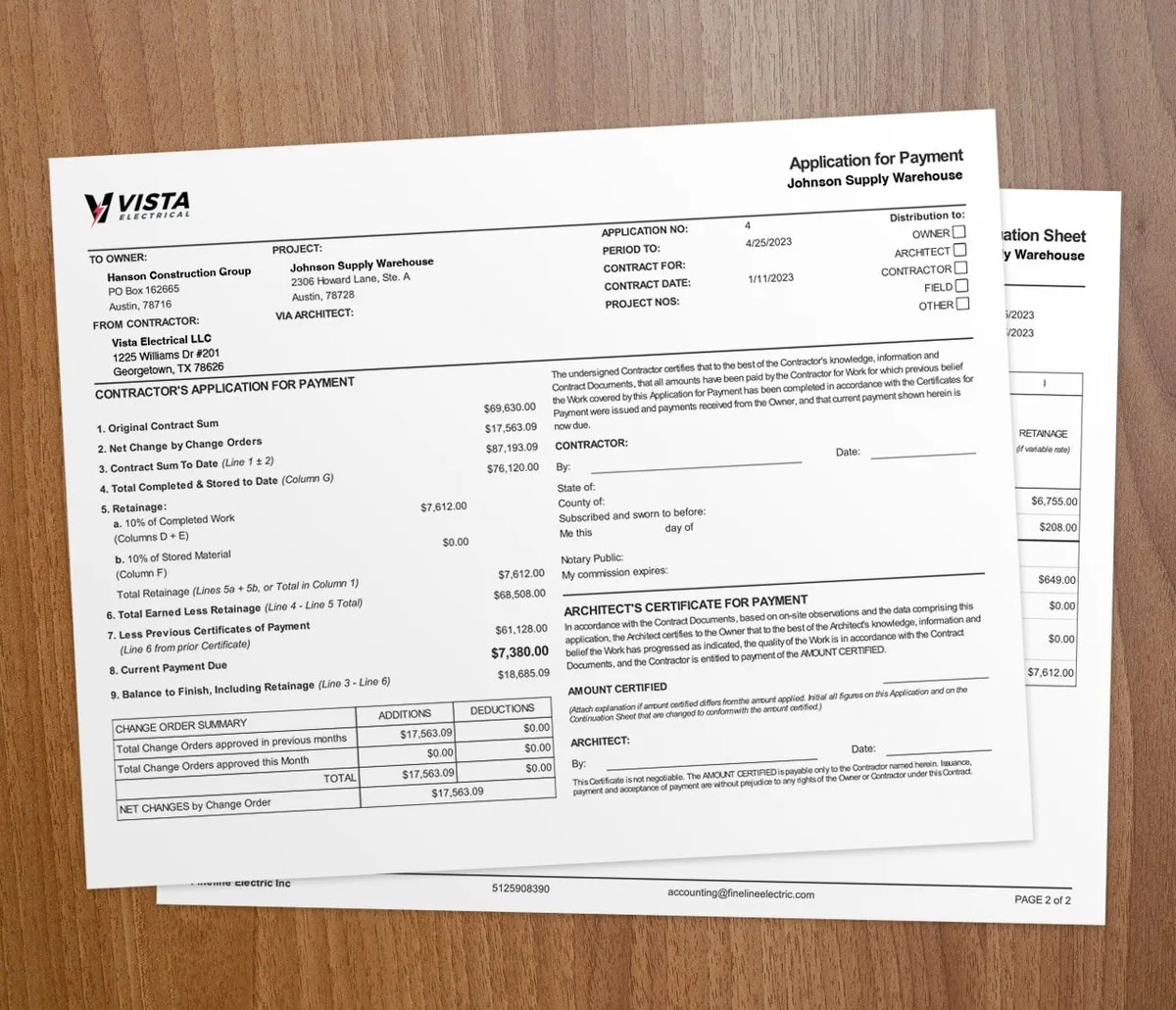
Implementing a system that efficiently handles contractor management tasks can propel business operations forward. WERX offers a comprehensive solution, providing tools needed for seamless employment administration—from contract management to AIA-Style Billing and precise time tracking. The compilation of insights and reporting facilitates informed decision-making and enhances overall business productivity.

Preparing for the Future

In a landscape where businesses increasingly rely on independent contractors, it’s vital to implement tools that not only ensure compliance but also drive efficiency and transparency. As seen with WERX, access to cutting-edge contractor management features can transform the way businesses operate, providing a competitive edge.

The knowledge gained so far emphasizes the importance of adopting advanced systems for handling contractor-related tasks. As your business grows, leveraging tools like WERX can help maintain compliance, improve efficiency, and optimize contractor management strategies. We invite you to begin this transformative journey with WERX. Try it today with a 30-day free trial, and witness how effortlessly you can manage your contractor operations.