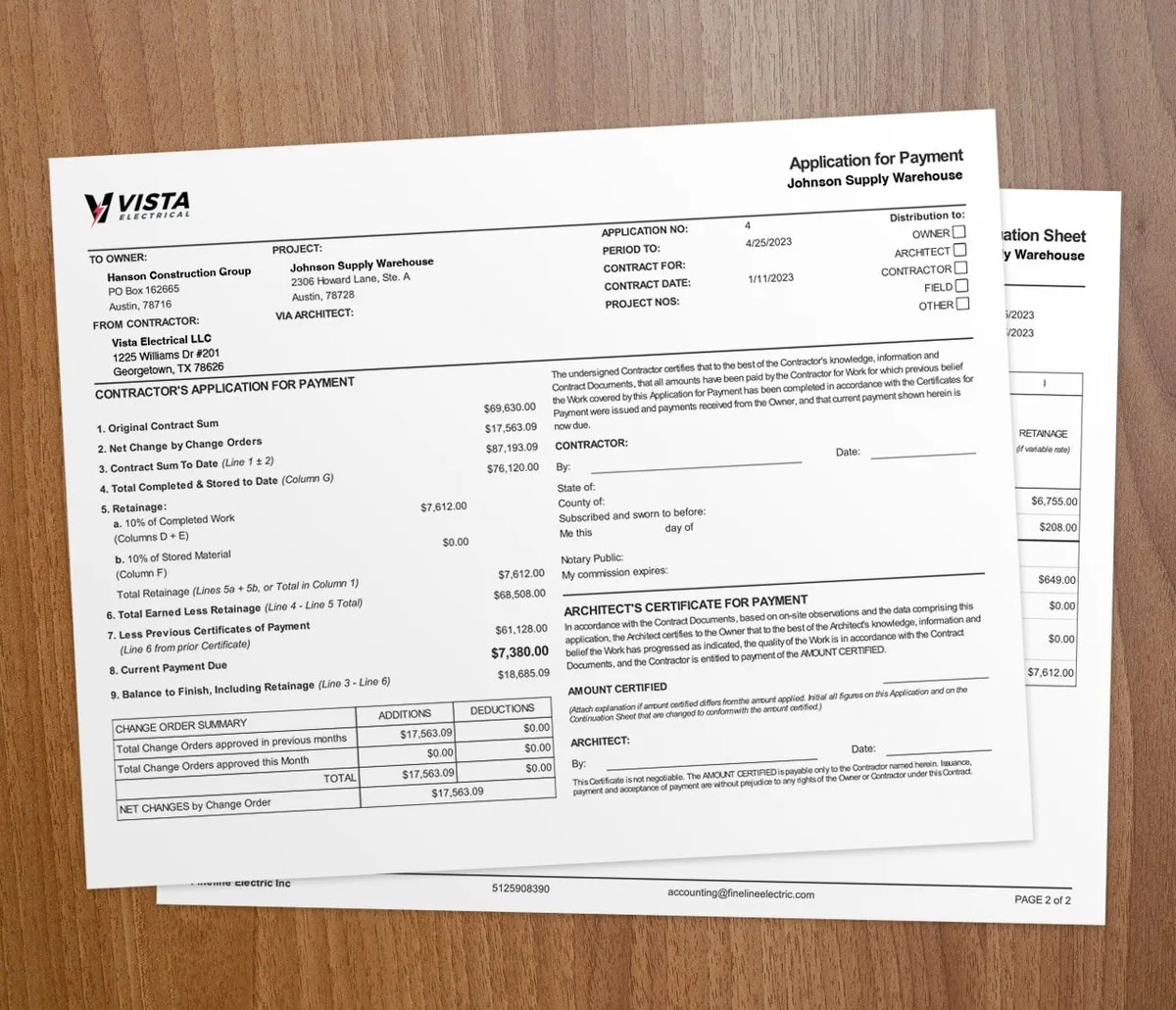

How to File Taxes as an Independent Contractor: Accounting Tips

Understanding the Tax Accounting Landscape for Independent Contractors

The realm of independent contractor accounting taxes can be intricate, yet navigating it is crucial for those who work outside the confines of traditional employment. Unlike employees, independent contractors must manage their financial obligations to the government themselves, often facing unique challenges in calculating and paying taxes. Understanding the tax landscape is fundamental to ensuring compliance and minimizing liability.

Self-employed individuals need to comprehend not just the tax rates but also the requirements for filing and payment. Effective management of financial matters becomes indispensable, making tools like ours invaluable. At Werx, we understand these challenges and offer solutions that simplify the complications involved. Our applications aid in organizing project finances, seamlessly integrating features that assist contractors in tracking expenses and synchronizing with accounting software.

Werx provides general business and accounting insights for contractors, but we are not a tax, legal, or accounting firm. This content is for informational purposes only and should not be considered professional tax or legal advice. Always consult a qualified accountant or tax professional for guidance specific to your business.

We also have a simple Construction Accounting Guide that can help you learn common terms and related to accounting in the construction/contractor arena.

Navigating Self-Employment Taxes: Key Considerations

For independent contractors, understanding self-employment taxes is pivotal. This type of tax mainly comprises Social Security and Medicare contributions, which represent a significant responsibility for those outside regular employment frameworks. Unlike traditional employees who share these tax responsibilities with their employers, independent contractors shoulder the entire burden themselves. This often means paying a higher percentage of their earnings toward taxes, making it crucial to allocate funds accordingly.

Understanding the Components of Self-Employment Taxes

First, let’s break down what constitutes self-employment taxes. Essentially, these taxes cover Social Security and Medicare, collectively known as the Self-Employment Contributions Act (SECA) tax. As an independent contractor, you contribute a total of 15.3% on your net earnings, where 12.4% goes to Social Security and 2.9% to Medicare. Properly understanding these percentages is essential for accurate financial planning and budgeting.

Distinguishing from Traditional Employee Taxes

The primary difference between self-employment and employee taxes lies in responsibility. While employers often cover half of these contributions for their employees, independent contractors pay the full amount themselves. This difference can significantly impact your annual financial standing, making it necessary to save diligently throughout the year.

Impact on Independent Contractors

This financial obligation underscores the importance of maintaining accurate financial records and setting aside a specific portion of your income for taxes. Many contractors inadvertently face financial strain simply because they underestimate their tax liabilities. It’s beneficial to consult financial professionals or use robust software solutions like ours to track earnings and expenses accurately.

Solutions like Werxapp offer guidance by allowing you to create detailed project estimates and track financial progress in real-time. This can significantly ease the comprehension and management of taxes, ensuing you remain compliant and avoid unnecessary penalties.

Proactively understanding these concepts and planning accordingly can save independent contractors significant stress and financial hardship down the line. By utilizing effective tools and services, you gain not only a clearer financial picture but also the peace of mind that comes with being tax compliant.

How to File Taxes as an Independent Contractor: Accounting Tips

Accurate Income Tracking for Tax Purposes

For independent contractors, maintaining precise income documentation is essential to ensure compliance with tax obligations. The cornerstone of an effective tax strategy lies in understanding and accurately reporting all sources of income. This not only ensures that independent contractor taxes are calculated correctly but also minimizes the risk of discrepancies or audits.

The Importance of 1099-NEC Forms

One of the fundamental documents for independent contractors is the 1099-NEC form, which reports non-employee compensation. This form is crucial for tracking income received from each client or project throughout the year. Accurate completion and organization of these forms enable contractors to provide a transparent account of their earnings when filing taxes.

Most contractors receive a 1099-NEC if they have earned over $600 from a single client in a year. Ensuring that all your income is reflected in these forms requires diligent record-keeping and communication with your clients. Maintaining a system for organizing these forms electronically can prevent potential misplacement or errors.

Comprehensive Income Tracking

Besides forms like the 1099-NEC, it’s vital to catalog all income, even smaller amounts that may not require formal reporting from a client. Keeping a detailed ledger of all income, whether paid directly or through electronic transactions, ensures that you declare all pertinent financial activities.

Utilizing robust management tools can significantly enhance the accuracy of your income tracking. Our software, for example, offers contract project tracking features that allow contractors to manage project-specific earnings and expenses easily. By integrating such tools into your daily operations, you streamline the process of compiling comprehensive financial data, making tax season far more manageable.

Ensuring Accurate Reporting

Accurate income tracking reduces the chances of financial missteps and ensures that independent contractors are well-prepared for tax filing. Proper reporting not only highlights professionalism to clients and tax authorities but also alleviates potential stress associated with underpayment or late fees.

By adopting meticulous income tracking practices and leveraging supportive technology, independent contractors can enhance their business’s financial health. This proactive approach to managing tax responsibilities is invaluable for maintaining compliance and securing the sustainability of your business.

Maximizing Deductions to Minimize Tax Liability

For independent contractors, comprehending the landscape of available deductions can effectively reduce tax liability. Deductions can significantly decrease taxable income, making their awareness and documentation an integral part of financial strategies for those working independently. Leveraging these deductions wisely ensures you can retain more of your hard-earned money.

Common Business Expense Deductions

Understanding deductible expenses is crucial for minimizing tax liabilities. Typical deductions include costs incurred while running your business. Independent contractors can claim for office supplies, travel expenses, advertising, and utilities used for business purposes. These expenses are fundamental in reducing taxable income, and maintaining thorough documentation of each is essential for validation.

Another significant category is professional fees, which encompass expenses like legal fees, tax preparation costs, and industry-specific continuing education. These are typically deductible as long as they pertain directly to your business operations.

Distinguishing Personal from Business Expenses

One of the challenges contractors face is differentiating personal expenses from business expenses. This distinction is crucial to avoid potential audits or penalties. Only costs that are ordinary and necessary for business operations can be deducted. For example, if you are using part of your home as an office, you may qualify for a home office deduction, but this area must be used regularly and exclusively for business.

To streamline this categorization, utilizing comprehensive management tools is advantageous. Our Estimate features, for instance, assist in identifying and documenting business expenses accurately. These tools can help track anticipated and actual expenses, simplifying financial planning and enabling contractors to make informed future decisions.

The Strategic Use of Deductions

Effectively maximizing deductions involves meticulous record-keeping and a clear understanding of what qualifies as deductible. This strategy not only reduces tax burdens but also ensures independent contractors retain resources that can be reinvested into business growth. The use of digital tools and services can amplify the ability to manage and track these deductions efficiently, reducing manual errors and increasing compliance.

As an independent contractor, consistently revisiting your expense strategies and leveraging available deductions is prudent. By understanding tax obligations fully and using technology to manage expenses, contractors can navigate their financial responsibilities with confidence and ease.

How to File Taxes as an Independent Contractor: Accounting Tips

Managing Quarterly Estimated Taxes Effectively

Independent contractors must navigate the waters of quarterly estimated taxes, a pivotal aspect distinct from the annual tax process familiar to traditional employees. The concept of paying taxes throughout the year can initially seem daunting, but with the right understanding and planning, it ensures that contractors stay ahead of tax obligations, avoiding potential penalties and interest charges.

Importance of Quarterly Tax Payments

Quarterly estimated taxes are essentially advance payments on annual taxes, designed to help individuals meet their tax obligations progressively. For contractors, these payments reduce the burden of a significant lump sum during annual filing. The Internal Revenue Service (IRS) mandates these payments for individuals expected to owe more than $1,000 in taxes after all withholdings and refundable credits are considered.

Failure to make these payments can result in penalties and interest, negatively impacting contractors’ cash flow and profitability. Therefore, understanding the calculation based on previous tax returns or current year earnings projections is critical to avoid such issues.

Strategic Income Allocation

Effective financial management involves setting aside a portion of earnings specifically for taxes. Many contractors follow the rule of setting aside roughly 25% to 30% of income for these payments. This practice ensures preparedness when these quarterly deadlines arise. Using a dedicated business bank account to separate tax savings can streamline this process.

Leveraging Technology for Management

Incorporating technology to manage quarterly taxes can significantly ease this process. Solutions that offer Quickbooks Integration enable seamless coordination between income tracking and tax planning. Such tools can help in automatically calculating estimated tax payments based on current earnings, helping contractors meet IRS expectations efficiently.

Utilizing these technologies means contractors will spend less time worrying about calculations and potential penalties and more time focusing on growing their businesses. With proactive planning and diligent savings strategies, quarterly payments become manageable, reinforcing solid business stability.

Adopting these practices not only ensures compliance but also promotes a structured financial approach, facilitating informed decision-making and offering peace of mind in navigating the complexities of independent contractor taxes.

Preparing for Tax Season: Best Practices

When tax season approaches, independent contractors find themselves at a crossroad between managing their day-to-day operations and ensuring their tax filings are accurate and timely. Proper preparation can make this transition smooth and less stressful, minimizing the chances of errors and financial discrepancies.

Organizing Financial Records

Consistent organization of financial records is the linchpin of successful tax preparation. Contractors should maintain clear and comprehensive documentation of all income and expenses throughout the year. This process involves categorizing receipts, statements, and digital records that relate to business operations. Leveraging technology can further enhance this organizational effort.

Using digital platforms and financial software can automate many aspects of record-keeping. Digital tools can store and categorize expenses, making it easier to retrieve necessary documents during tax season. For example, integrating tools like our Time Tracking feature can help manage and document billable hours and associated costs, leading to detailed income summaries that facilitate clearer tax reporting.

Ensuring Compliance

Compliance with tax laws and regulations is ever crucial for avoiding penalties. This compliance begins with understanding current tax codes and any changes that impact independent contractors. Contractors should consider consulting with tax professionals periodically to stay informed about potential updates or nuances in tax laws.

Leveraging Professional Help

The complexity of tax codes often necessitates professional assistance. Engaging accountants or tax professionals can provide insights that are easy to overlook. These experts can facilitate accurate tax fillings by identifying potential deductions and advising on complex tax issues. Additionally, they can guide contractors on strategic planning for future tax liabilities.

Utilize Technology Effectively

Adopting financial management tools not only aids in tax preparation but also streamlines overall business operations. With comprehensive tracking of expenses and income, these tools mitigate the risk of errors in tax returns. Utilizing such technologies can transform the daunting task of tax preparation into a manageable, well-organized process.

Through meticulous preparation and strategic use of technology, independent contractors can face tax season with confidence and clarity. This foresight ensures not only compliance with tax obligations but also the optimization of financial resources for continued business growth and stability.

State and Federal Tax Responsibilities

For independent contractors, comprehending the differences between state and federal tax obligations is a crucial aspect of financial management. Each set of obligations carries specific requirements and complexities that necessitate careful consideration and understanding. Ignoring these responsibilities can lead to serious legal and financial repercussions.

Understanding Federal Tax Obligations

Federal taxes primarily include your income tax, as well as self-employment taxes to cover Social Security and Medicare contributions. Independent contractors are responsible for calculating and paying both of these, which is a distinct departure from the employee tax structure, where employers handle these calculations.

To navigate these federal requirements, contractors must accurately report all income streams and identify applicable deductions to lessen their taxable income. Tools like the IRS Schedule C form become essential, detailing profits or losses from your business as part of your individual tax return. Understanding how to fill out these forms accurately is an essential skill for compliance.

Meeting State Tax Requirements

State tax obligations can vary significantly from one jurisdiction to another. Many states impose their own income tax, requiring a separate filing additional to the federal return. Furthermore, some states may have taxes related to business operations that need addressing.

Understanding these state-specific regulations demands attention to local tax laws and perhaps even professional guidance. Contractors may face different regulations depending on whether they operate within one state or across multiple states. It’s imperative to keep abreast of each state’s guidelines to ensure comprehensive compliance, particularly as states adjust their tax structures annually.

Monitoring Jurisdictional Differences

Operating across state lines introduces additional complexities, where one must consider differences in tax rates and deductible thresholds. This situation often requires more nuanced financial tracking and reporting to satisfy each jurisdiction’s requirements. Monitoring these differences isn’t just beneficial—it’s crucial for sustained compliance.

To ease this process, maintaining organized financial records with categorized incomes and expenditures can greatly simplify meeting both state and federal requirements. Digital platforms that integrate with accounting tools offer seamless solutions to keep track of these intricate details, freeing contractors to focus more on growing their business rather than becoming entangled in tax documentation.

Thorough understanding and proactive management of both state and federal tax obligations empower independent contractors to maintain compliance and capitalize on legitimate tax advantages. This strategic approach wards off potential conflicts with tax authorities, safeguarding both the contractor’s financial health and professional reputation.

How to File Taxes as an Independent Contractor: Accounting Tips

Leveraging Technology for Tax Management

For independent contractors, the integration of technology into tax management practices is proving to be a game-changer. As the complexities of financial management and tax compliance continue to rise, leveraging advanced tools can significantly streamline processes and reduce the potential for errors.

Streamlining Financial Processes

Digital platforms offer a range of functionalities that simplify the various components of tax management. Automated systems for tracking expenses and income ensure that no financial transaction goes unnoticed, providing an accurate snapshot of your financial situation. With features such as automatic data categorization and expense tracking, modern tools eliminate the tedium and potential errors associated with manual bookkeeping.

By syncing these platforms with existing financial accounts, independent contractors can enjoy real-time updates on their finances. This not only aids in immediate understanding but also in precise planning for tax liabilities. Our Payment Processing features specifically enhance financial management through simplified tracking of customer payments and streamlined invoicing.

Enhancing Compliance and Accuracy

Incorporating technology into tax preparation ensures greater accuracy and compliance. Software that continually updates to reflect new tax regulations can help contractors automatically adjust practices to remain compliant. This compliance results from enhanced data integrity and the ability to cross-reference financial data with tax requirements easily.

These technologies often feature reminder systems for upcoming tax payments and deadlines, preventing oversight that could lead to penalties. This proactive approach ensures that tax responsibilities are consistently met without last-minute stress and confusion.

Facilitating Informed Decision-Making

Technology not only aids in maintaining compliance but also empowers contractors to make informed decisions. By providing comprehensive analytics and financial reporting, these tools offer insights into business performance and financial trends. This information proves invaluable for strategic planning and optimizing profitability.

For those in the construction industry, management solutions like Werxapp amplify efficiency by catering specifically to industry needs, offering customized financial and project management tools that adapt to various scale operations.

Overall, embracing technology in tax management processes offers independent contractors a robust way to stay ahead in an increasingly complex financial landscape. This strategic adoption ensures continued compliance, enhanced operational efficiency, and greater peace of mind in managing the multifaceted elements of independent contractor taxes.

FAQs: Independent Contractor Taxes

As independent contractors navigate the terrain of taxes, several frequently asked questions arise that highlight common concerns and clarify misconceptions. A comprehensive understanding of these areas can greatly ease the tax preparation process and enhance compliance.

What Qualifies as a Deductible Expense?

Deductible expenses are essential costs incurred in the operation of your business. These can include office supplies, software subscriptions, travel expenses directly related to client work, insurance premiums, and home office costs. It’s critical to maintain clear records and receipts for these expenses to validate them in case of an audit.

How Do I Calculate Quarterly Tax Payments?

Independent contractors calculate their estimated quarterly tax payments based on their expected adjusted gross income, deductions, and tax credits for the year. This calculation often involves looking at previous year’s earnings as a benchmark. Contractors typically pay these installments using IRS Form 1040-ES. Employing financial management software can simplify this, offering automated calculations based on real-time earnings and anticipated expenses.

What Records Do I Need to Keep?

Documentation is crucial in the realm of taxes for independent contractors. Key records include income receipts, 1099 forms, expense receipts, bank statements, and any other documentation reflecting financial transactions related to your business. Organizing these documents digitally can prevent loss and improve the efficiency of the tax preparation process.

How Do I Handle Multi-State Tax Obligations?

Handling taxes across multiple states involves understanding the specific tax regulations of each state where business is conducted. This may require filing separate state returns and keeping abreast of differing tax rates and regulations. Consulting with a tax professional is advisable to ensure compliance and optimize tax efficiency across jurisdictions.

Are There Penalties for Late Tax Payments?

Yes, penalties can be imposed for late tax payments or underpayment of estimated taxes. To avoid these penalties, contractors should use calculated estimates to pay taxes timely and consider setting funds aside regularly. Utilizing automated systems to receive reminders of upcoming payment deadlines can be a helpful strategy to prevent oversights.

These FAQs underscore the importance of proactive financial strategies and precise documentation for successful tax management. By addressing these common questions and equipping contractors with the necessary knowledge, the intricacies of independent contractor taxes become more navigable and less daunting.

To Wrap Things Up: Empowering Your Business with Efficient Tax Strategies

Independent contractor taxes can seem like an overwhelming landscape to navigate, yet understanding and planning can transform this challenge into an empowering aspect of your business management. As we reflect on the essential strategies discussed, the importance of comprehension and proactive measures in tax responsibilities becomes even more evident.

Understanding Your Obligations

First and foremost, understanding your tax obligations is vital. Differentiating between state and federal requirements, comprehending deductions, and mastering quarterly estimated taxes stand as pillars of effective tax management. This knowledge base builds confidence and clarity, ensuring contractors remain compliant and potentially reduce their tax liabilities.

Leveraging Tools and Technology

Incorporating technology is a crucial strategy in efficient tax management for independent contractors. From automating expense tracking to syncing with accounting platforms, these tools simplify complex processes and provide real-time insights into your financial health. Systems that integrate payment processing and time tracking can streamline operations, reduce errors, and enhance compliance. Embracing such technologies isn’t just a luxury; it’s an essential element of staying competitive and competent in managing taxes.

Strategic Planning and Consultation

Successful tax management also involves strategic financial planning and, often, consultation with experienced professionals. Tax professionals can offer valuable insights, particularly regarding legal nuances and optimization of deductions. Regular consultations can help adjust financial strategies in response to changing tax laws, minimizing risks and maximizing benefits.

Ultimately, effective tax strategies are a combination of knowledge, tools, and professional guidance. By understanding obligations, leveraging technology, and seeking expert advice, independent contractors can transformed what might be a cumbersome task into a manageable component of their business strategy.