
Understanding Work Authorizations in Construction Projects
In construction, the significance of work authorizations cannot be overstated. These documents act as the formal go-ahead for additional tasks or changes that arise during a project’s lifespan. Ensuring clear communication, they serve as a binding agreement between stakeholders, specifying the scope of extra work without disrupting the project timeline.
Traditionally, managing these work authorizations has been a manual process vulnerable to human error. These errors can often lead to disputes, causing project delays and increasing costs. Manual processing involves several stages, from request submissions to approvals, which can easily fail due to miscommunication. Thus, it is crucial for construction teams to understand these processes to minimize conflicts and maintain project fluidity.
Given the complexities inherent in managing construction projects, the traditional methods can become a source of inefficiency and tension. Thus, it’s vital to address these manual inefficiencies to reduce the likelihood of disputes, a necessity that calls for a more streamlined approach.
Understanding and mitigating these risks is pivotal in a construction project’s success. Embracing modern solutions can reduce manual errors and facilitate swifter, more accurate approvals.
The Challenges of Manual Extra Work Authorizations
In the construction industry, manual extra work authorizations present specific challenges that could significantly hamper the flow of projects. Though well-intentioned, these traditional methods are fraught with risks, from data entry mistakes to inefficiencies arising from outdated communication methods. Such issues are a testament to the need for innovation and more reliable systems in construction management.
One of the primary challenges with manual processes is human error. Manual documentation is prone to inaccuracies. Mistaken entries in work authorization requests might only be spotted after the project has progressed significantly, leading to costly corrections and potential conflicts between contractors and clients. Furthermore, another key challenge is the time delay inherent in the manual process. When relying on physical documents or email correspondence, project managers often face delays in receiving necessary approvals, which can put parts of the project on hold unnecessarily.
Miscommunication stands as a considerable risk in manual authorization systems. Without a centralized platform, stakeholders might work with differing versions of documentation, which can lead to severe misalignments in project execution. This lack of transparency can further exacerbate issues if disputes arise over the quality or scope of completed work.
Moreover, administrative overhead during traditional work authorization processes can understandably overwhelm project teams. It requires substantial time and resources to manage a cumbersome, paper-based system or even a scattered digital system. Extra work is needed to keep track of all changes, updates, and approvals, which can divert attention from more critical project tasks.
Innovative solutions that automate work authorizations are set to change this landscape. By digitally transforming these processes, contractors can significantly reduce errors, improve communication clarity, and shrink administrative tasks. Discover how streamlining Time and Materials Projects at WERX will mitigate these challenges and boost overall project efficiency.
Embracing Automation: Key Features and Benefits
The shift to automate work authorizations in construction projects marks a pivotal change in how contractors manage their operations. Automation introduces a suite of benefits and features that not only alleviate common pain points but also enhance overall project efficiency. Exploring these advantages elucidates why more firms are transitioning towards a digital approach.
A paramount benefit of automating work authorizations is the reduction in disputes. By leveraging technology, contractors can ensure accurate tracking and record-keeping of every authorization, eliminating discrepancies that often lead to disagreements. Automation enables real-time updates and comprehensive documentation, which fosters transparency and trust among stakeholders.
Operational efficiency is significantly boosted when work authorizations are automated. The ability to streamline these processes means less time spent on manual tasks and more focus on critical project activities. With automation tools, approvals can be fast-tracked, allowing projects to maintain their momentum without interruption.
Streamlining communication across all project parties is another advantage of automation. Modern solutions offer centralized platforms where everyone can access the same data, minimizing the risk of miscommunication and ensuring everyone is on the same page. This level of clarity can prevent costly errors and elevate teamwork efficiency.
The adaptability of automated solutions allows for seamless integration with existing project management systems. This integration means that updates in work authorizations automatically reflect in project plans and budgets, maintaining consistency across all metrics. Such a feature is particularly beneficial for monitoring costs and ensuring financial accuracy.
Moreover, automating work authorizations contributes to sustainability efforts. With reduced reliance on paper-based systems, companies can lower their environmental impact while also enjoying the cost savings associated with decreased material use. Consider learning about how AIA-Style Billing in WERX enhances your project management strategy by automating key processes.
In summary, embracing automation in work authorizations equips construction companies with the tools they need to operate more effectively and proactively. It provides a substantial competitive edge in a rapidly evolving industry, ensuring smooth project execution and satisfied clients.
How WERX Transforms Work Authorization Automation
WERX revolutionizes the way work authorizations are managed, merging automation with an intuitive project management interface tailored for construction needs. As construction projects grow in complexity, the necessity for a system like WERX becomes evident, integrating technology seamlessly to tackle traditional inefficiencies.
At the heart of WERX is its ability to automate work authorizations, significantly alleviating the burden of administrative tasks in construction projects. This automation minimizes human error, ensuring that all authorizations are documented accurately. By reducing the room for discrepancies, WERX helps maintain the integrity of project data, which is crucial for effective decision-making.
One of WERX’s standout features is its integration of project management with financial documentation. This integration means that any authorization for additional work is not only tracked but also reflects instantly in financial reports. This synchronization aids in maintaining budget control and ensuring that project financiers and contractors are aligned financially.
Miscommunication risks, often the downfall of many construction projects, are significantly mitigated with WERX. Its digital platform ensures that updates are shared in real-time with all relevant parties, maintaining transparency and accuracy in communication. This ability to share information instantly helps reduce the potential for conflicts and fosters a collaborative work environment.
With WERX, work authorizations are aligned with actual project conditions, thanks to its integration of real-time data feeds. This ensures that documentation and on-ground realities are in sync, a feature that’s particularly beneficial for large-scale projects where even minor mismatches can cause substantial delays.
WERX also allows for easy retrieval and review of all project authorizations through its digital management system. This capability facilitates audits, compliance checks, and financial reconciliations, providing a comprehensive overview of all project activities from a single digital platform. Explore more about the WERX transformation by delving into their contract projects features, which enhance operational precision.
Ultimately, WERX brings a streamlined, efficient approach to work authorizations, empowering construction businesses to operate smarter, not harder. By automating and integrating key project processes, it delivers the dual benefits of operational control and financial clarity.
Real-Time Approvals: The Role of Technology
The advent of mobile apps and digital tools has transformed the landscape of construction management, particularly in capturing real-time approvals for work authorizations. These technologies are nothing short of revolutionary, offering unprecedented efficiency and accuracy in documenting and managing extra work requests.
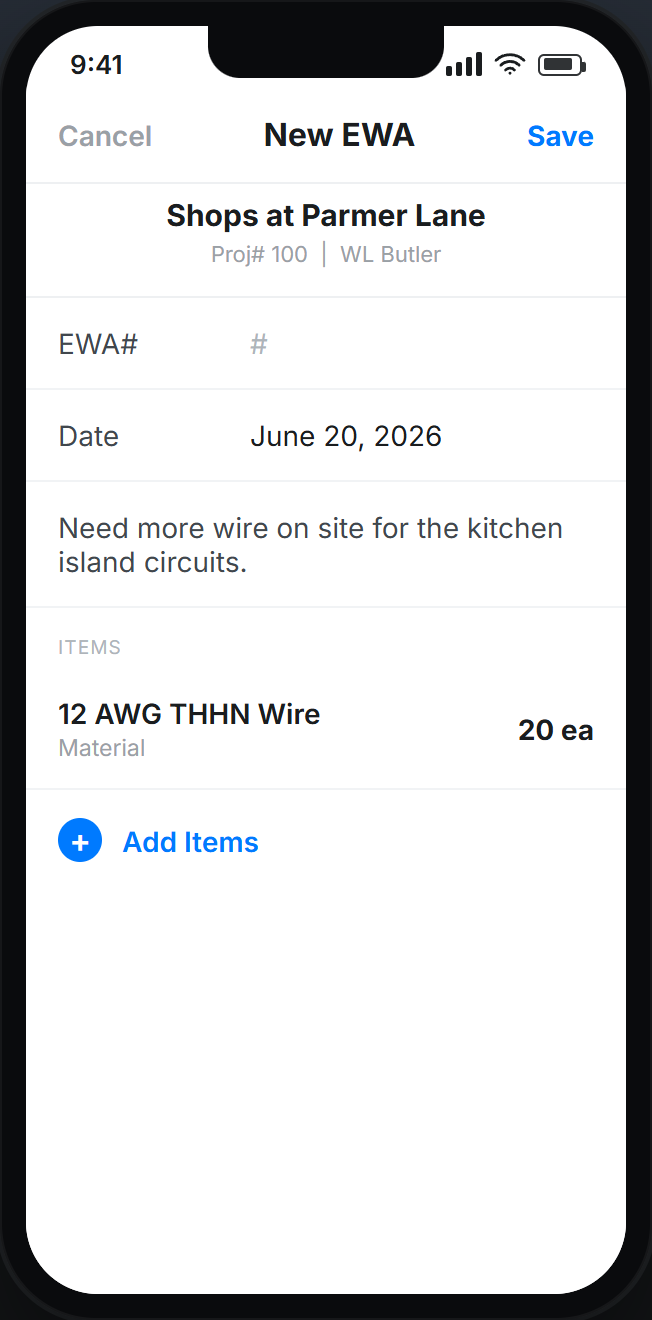
Using mobile applications, field teams can document and submit work authorization requests immediately from the job site. This real-time capability ensures that no time is lost in obtaining the necessary approvals. By permitting immediate access to project managers and decision-makers, these tools facilitate swift validation, minimizing delays that often occur in traditional paper-based or email-bound systems.
Digital signatures, a key component of real-time approval technology, offer an additional layer of convenience. These allow for legally binding confirmations without the hassle of physical paperwork. In a construction project, where time is equated to money, digital signatures speed up the approval process, ensuring that critical tasks stay on schedule.
Technology’s role in enhancing collaboration cannot be overstated. With mobile apps, every team member—whether on-site or in office—receives immediate notifications of any updates or changes to their projects. This connectedness ensures that all parties have access to the most recent project details, eliminating the misalignments that can arise from outdated information.
Moreover, real-time approval technology with WERX is integral in maintaining accurate labor cost tracking. With tools that allow team members to log their time in the field, project managers can verify labor costs against real-time budgets, providing clearer insights into project financials. Learn more about these capabilities by exploring our time tracking features.
Additionally, by enabling a seamless flow of information, digital tools facilitate a proactive approach to construction management. This agility provides the flexibility needed to adapt to challenges as they arise, securing a smoother project trajectory and a higher likelihood of meeting project goals.
Real-time approvals via technology are reshaping the efficiency and reliability of construction work authorizations. By embracing these advancements, teams can maintain project momentum, ensuring that every part of the process is well-documented, transparent, and prompt.
Reducing Administrative Overheads with Automation
Administrative overheads in construction projects have traditionally been a substantial burden on both time and resources. However, with automation, these challenges are becoming a thing of the past. Automation shrinks the administrative burdens by streamlining processes, allowing project managers and teams to focus more on execution rather than paperwork.
One of the primary ways automation reduces overhead is by simplifying data entry and management. Traditional methods often require repetitive entry of the same information across multiple platforms, increasing the chance for human error and inconsistency. Automated systems eliminate this need by ensuring data is only entered once and is subsequently propagated across all necessary areas of the project. This single-entry system drastically cuts down on errors and oversight.
Reducing paperwork is another significant benefit of automation. Manual processes can be labor-intensive with layers of paperwork, which are not only time-consuming but also costly in terms of materials and labor. By moving to digital platforms, projects witness a remarkable reduction in paper-based processes, leading to both cost efficiency and environmental benefits.
Automation also means faster processing times for work authorizations, as automated workflows enable quicker approvals and changes to be implemented almost instantaneously. With real-time updates available at the fingertips of project managers, decisions can be executed promptly, minimizing any administrative delays that might affect the project timeline.
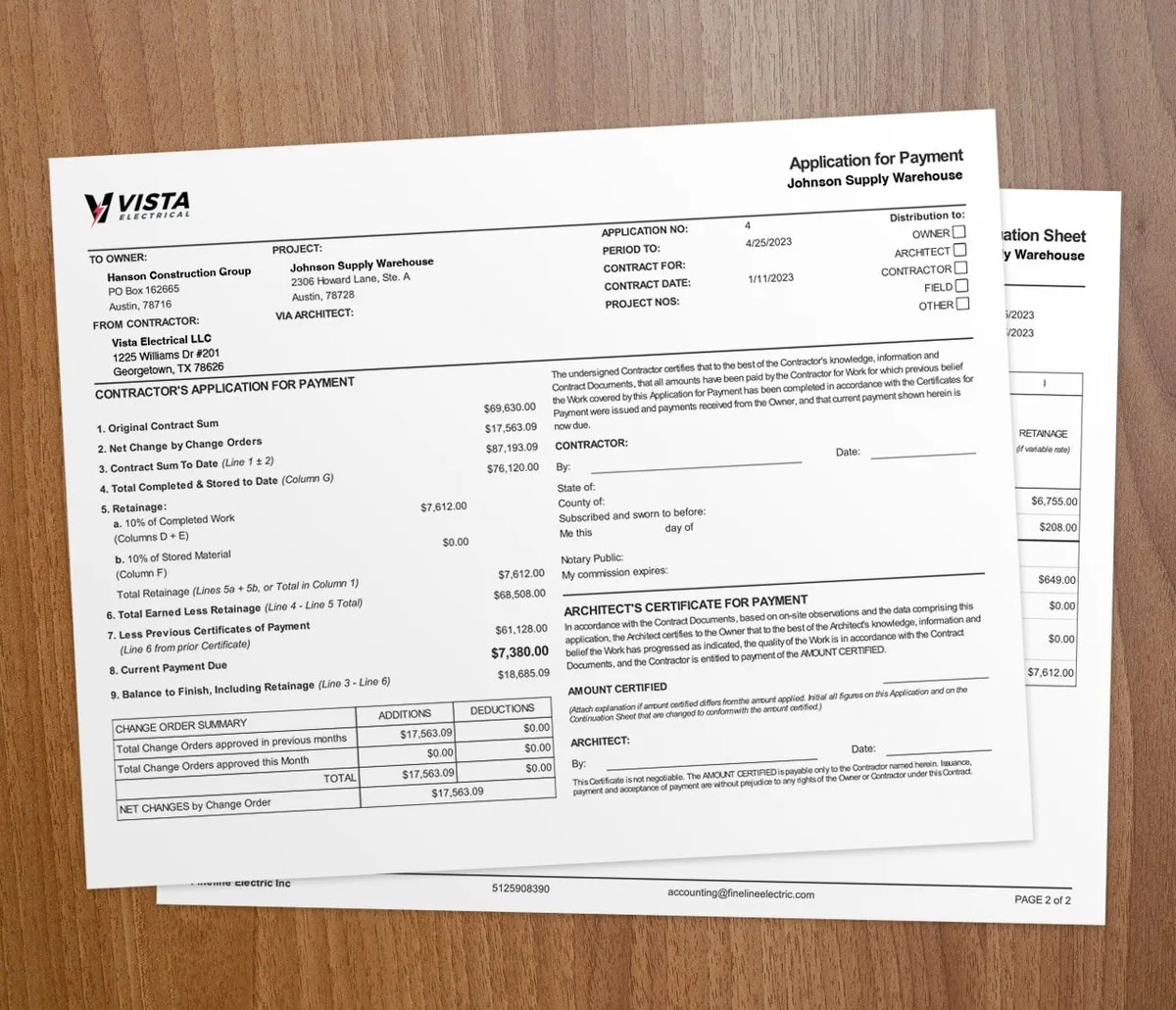
The ability to seamlessly generate comprehensive reports is another automation advantage. With detailed insights and data analytics, project managers can access up-to-date reports that facilitate informed decision-making. By having real-time data at their disposal, managers can adjust strategies to align with evolving project requirements, thus maintaining control over the project’s direction and success. Explore how WERX accomplishes these objectives by automating payment processing and other key tasks.
Finally, automation leads to improved accountability and transparency within the project. With all documentation and communications recorded digitally, project histories are easily retrievable, supporting auditable trails and ensuring compliance with regulatory and client requirements.
In sum, automation significantly reduces administrative overheads, freeing construction professionals to focus on strategic and operational responsibilities. This shift from manual to automated processes results in timely project completions, transparent financial adjustments, and ultimately, enhanced project quality and client satisfaction.
Elevating Project Control with Comprehensive Record Keeping
In construction, maintaining comprehensive records is essential for effective project control. By adopting automated systems, companies can elevate their ability to manage every facet of project records with precision and ease. The benefits of such meticulous record keeping extend beyond simple documentation; they underpin the structural integrity and success of entire projects.
Automated systems streamline the recording of work authorizations, capturing every detail from initial requests to final approvals. This comprehensive approach ensures that all actions are documented efficiently, making it simple to trace the development and progression of projects. By doing so, construction managers gain greater clarity over project dynamics and can swiftly address any discrepancies that arise.
Accurate record keeping facilitates verifiable financial accuracy. By aligning financial documents with real-time project changes, construction firms can maintain an unerring overview of the project’s financial health. This transparency is critical in preventing cost overruns and ensuring that every financial aspect of the project is accounted for and justified.
Complete records also enable better compliance with industry regulations and contract obligations. With all documents and details stored digitally, operators are well-prepared for audits and inspections. This readiness minimizes any compliance-related disruptions and reinforces the overall credibility of the construction firm.
An added advantage of digital record-keeping is its contribution to effective dispute resolution. Should disagreements occur, having a detailed, date-stamped archive of all project activities provides an incontestable reference point, reducing the time to resolve issues and fortifying the company’s stance.
Moreover, automated record systems support enhanced project analysis and planning. By analyzing historical data, project managers can glean valuable insights into performance patterns and areas of improvement, driving better decision-making for future projects. Discover how AIA-Style Billing at WERX supports record-keeping and project control in an efficient and comprehensive manner.
All in all, elevated project control through comprehensive record keeping ensures the journey from project inception to completion is smooth, transparent, and controlled. This level of management not only safeguards against unforeseen issues but also sets a foundation for future success by fostering a culture of reliability and accuracy.
In-Field Application: Practical Use Cases
The digital transformation in construction management is epitomized by automation tools that empower on-site teams with practical applications. Here, we explore how these tools are effectively deployed in real-world scenarios, facilitating seamless processes from obtaining approvals to updating project databases in the field.
One of the most impactful applications is the ability for field teams to capture approvals directly through mobile devices. With the use of construction management apps, on-site workers can request and receive authorization for extra work in real time. This process minimizes downtime, as workers no longer need to wait for traditional methods of communication to be completed back at the office.
Digital tools also streamline the process of updating project databases. As work progresses, field teams can input data related to material use, labor hours, and task completion directly into the system. This live data input updates the centralized project management platform, ensuring that project managers have immediate access to accurate information, enabling more informed decision-making.
Enhanced communication within the team and with external stakeholders is another significant benefit of these tools. Since all data and communications are logged in real-time, any member of the project team can access the most current information, reducing the likelihood of miscommunications or errors due to outdated data.
Another practical use case is inventory management. Construction sites benefit greatly from having up-to-date information on material availability and use. Automation tools help track materials in real time, alerting managers to restocks when necessary and preventing any disruptions caused by material shortages.
Moreover, in-field applications enhance safety compliance. By documenting safety checks and compliance measures on mobile devices, teams ensure that safety protocols are followed diligently. This compliance not only safeguards workers but also enhances the project’s reputation for safety.
These practical applications demonstrate the value of automated tools in construction, which facilitate more efficient and responsive project management. Discover more about how WERX’s solutions can support on-site operations by visiting our page on time tracking features. Through the adoption of these digital innovations, construction teams can bolster their operational effectiveness and achieve project goals with greater accuracy and speed.
Frequently Asked Questions: Automating Work Authorizations
As automation becomes increasingly vital in construction project management, many professionals have questions about its implementation and benefits. Here, we address some common inquiries related to automating work authorizations to provide a clearer perspective on its functionality and advantages.
How does automation impact project timelines?
Automation significantly enhances project timelines by streamlining the authorization process. With automated systems, approvals and updates are processed in real time, reducing delays typically caused by manual methods. This speed not only keeps the project on track but also allows for quick responses to changing project demands.
What cost savings can be expected with automated work authorizations?
Automation reduces administrative costs by eliminating the need for extensive manual documentation and paper-based processes. It also minimizes the likelihood of errors and disputes, which can be costly to resolve. The transition to a digital platform can lead to notable savings in both time and materials.
Is it difficult to train teams to use automated systems?
Modern construction automation platforms are designed with user-friendliness in mind. Training is often straightforward, with intuitive interfaces and comprehensive support resources provided by system providers. The initial investment in training time is quickly offset by the efficiencies gained.
How does automation ensure data accuracy?
Automated systems maintain data accuracy by using centralized databases where every entry is time-stamped and logged, reducing the chances of data duplication or errors. This centralized approach ensures all team members are working from a single source of truth, enhancing data integrity and reliability.
Can automation integrate with existing project management tools?
Yes, most automated systems are designed to integrate seamlessly with existing project management tools. They often come with APIs and support various data formats to ensure hassle-free data transfer, enhancing overall operational cohesion.
By addressing these common questions, it’s clear that automating work authorizations not only simplifies processes but also contributes to the broader goal of operational excellence in construction projects. Explore how WERX can support your project management needs with our trailblazing solutions by scheduling a demo today.
Exploring WERX for Automated Work Authorizations
Construction professionals seeking to enhance their project management practices have much to gain from exploring WERX. Designed with the unique needs of the industry in mind, WERX offers a comprehensive solution for automating work authorizations, thus transforming the way projects are managed and executed.
WERX integrates seamlessly with existing project management tools to deliver a robust platform that simplifies the often complex authorization processes. By automating these processes, contractors save valuable time and resources, which are better spent on executing the project. This integration ensures that all project stakeholders have access to real-time data and updates, keeping everyone aligned and informed.
A key feature of WERX is its user-friendly interface that makes training quick and straightforward, minimizing the learning curve typically associated with new technology adoption. This ease of use means that teams can transition smoothly from traditional manual processes to an automated system, experiencing immediate efficiency gains.
The platform’s versatility provides further advantages, as it supports a wide range of functionalities, from managing labor costs to tracking material use. With WERX, construction firms can ensure that project changes and extra work authorizations are accurately documented and approved in real-time, reducing the incidence of costly disputes.
Additionally, WERX enhances financial management by offering real-time insights into project budgets and expenditures. This financial clarity allows project managers to maintain tighter control over costs, contributing to more successful project outcomes and reducing the risk of budget overruns.
Construction firms interested in experiencing these benefits first-hand can take advantage of WERX’s 30-day free trial, providing an opportunity to explore the platform’s capabilities without financial commitment. During the trial, users can familiarize themselves with the system and assess how it fits into their operations. Additionally, engaging with a demo session offers a hands-on experience of how WERX can specifically address a company’s automation needs.
In summary, WERX is not just a tool but a strategic partner in transforming construction project management. By exploring the diverse features of WERX through a 30-day free trial and scheduling a demo, construction firms can position themselves for greater efficiency, reduced overheads, and more successful project completions.
What We Have Learned So Far
The exploration of automating work authorizations in construction has unveiled substantial opportunities for enhancing project management efficiency, accuracy, and reliability. As we’ve journeyed through understanding the intricacies of this process, it’s evident that embracing automation is not merely an option but a necessity for modern construction projects.
One of the most critical insights gained is the extensive role automation plays in reducing manual errors. Traditional methods, laden with paperwork and prone to human oversight, often result in costly delays and disputes. Automation, however, ensures that every stage of the authorization process is documented systematically and accurately, providing a solid foundation for all project activities.
Moreover, the shift to automated systems empowers project teams with real-time data and instantaneous communication capabilities. This connectivity diminishes the risk of miscommunications, ensuring that all stakeholders are aligned and working from the same, up-to-date information. As a result, projects benefit from enhanced collaboration, fostering a more cohesive work environment.
Simplifying financial management through automation has also emerged as a significant advantage. By providing immediate insights into project costs and budgets, automated systems allow construction managers to maintain tight financial control, ensuring resources are allocated efficiently and effectively. This precision is key to minimizing the risk of budget overruns and optimizing profit margins.
Furthermore, the ability to document and track every aspect of a project digitally supports regulatory compliance and enhances transparency. This verifiable record trail not only aids in dispute resolutions but also strengthens trust with clients by demonstrating a high level of accountability and professionalism.
Ultimately, automation in work authorizations fosters a culture of continuous improvement and proactive management. By leveraging these technologies, construction firms are better equipped to tackle industry challenges, adapt to changing conditions, and achieve sustainable growth. Embracing such innovations not only optimizes current operations but also positions these firms at the forefront of construction excellence.
This journey through automation has highlighted the transformative power of modern technology in construction. Organizations looking to harness these benefits are encouraged to further explore platforms like WERX, which offer comprehensive solutions tailored to the industry’s demands. With tools that support efficient project management, the future of construction looks promisingly efficient and innovative.