
The 2026 QuickBooks price increase has landed. Intuit announced on June 16, 2026 that QuickBooks Online Essentials, Plus, and Advanced would all cost more from August billing dates. Those bills are arriving now. This was the sixth straight year of QuickBooks Online price increases.
Contractors run their books on QuickBooks more than any other tool. So this hits home. Here are the real numbers, the payroll and time tracking changes, and your options.
What changed in August 2026?
Three of the four main plans went up. Simple Start stayed at $38.
| Plan | Was | Now | Change |
|---|---|---|---|
| Simple Start | $38/mo | $38/mo | No change |
| Essentials | $75/mo | $85/mo | +$10 (13%) |
| Plus | $115/mo | $140/mo | +$25 (22%) |
| Advanced | $275/mo | $340/mo | +$65 (24%) |
The details come from Intuit's official announcement. Existing subscribers paid the new price on their first billing date on or after August 1, 2026. Intuit began emailing customers on June 27.
New subscribers get about six months of price protection. The new rate kicks in on the seventh invoice. If you are on a promo discount, it runs out as scheduled, then renews at the new price.
One warning about numbers you may see elsewhere. Some sites published a fake "May 2026" increase with different prices. The table above matches Intuit's own announcement, so trust it over the content farms.
How much have QuickBooks prices gone up over time?
This year's step was 13 to 24 percent, depending on plan. The longer view is steeper.
QuickBooks Online Plus cost $70 per month in early 2021. Today it costs $140. The price of the most popular contractor plan has doubled in five years.
Essentials tells the same story. It was $40 in early 2021 and is $85 now. Intuit has raised QuickBooks Online prices every year since 2021, per pricing coverage at Insightful Accountant.
Intuit's stated reason is investment in new features. The 2026 announcement points to Intuit Intelligence, its AI layer for automating bookkeeping work. Whether that trade is worth it depends on which features you actually use.
What about payroll and time tracking?
The August plan prices are only half the news. Per-employee fees went up on July 1, 2026, and those scale with your crew.
QuickBooks Online Payroll was renamed QuickBooks Workforce. Base fees held steady, but the per-employee rate on the entry plan moved from $6.50 to $7. The Premium plan's per-employee rate moved from $10 to $13.
QuickBooks Time went up $2 per employee per month on both plans. On the Premium plan for teams up to 50, that is $8 to $10 per person.
Run the math on a crew. A 25-person crew on QuickBooks Time Premium went from about $200 to about $250 per month. That is roughly $600 more per year for the same time tracking.
If you track time in the field, this is the number to watch. Per-employee fees grow every time you hire. For what field crews actually need, see mobile time tracking built for job costing.
Should contractors upgrade to Advanced for the construction tools?
Here is the twist in this year's announcement. Intuit shipped construction tools into QuickBooks Online Advanced in the same August release, at no extra cost.
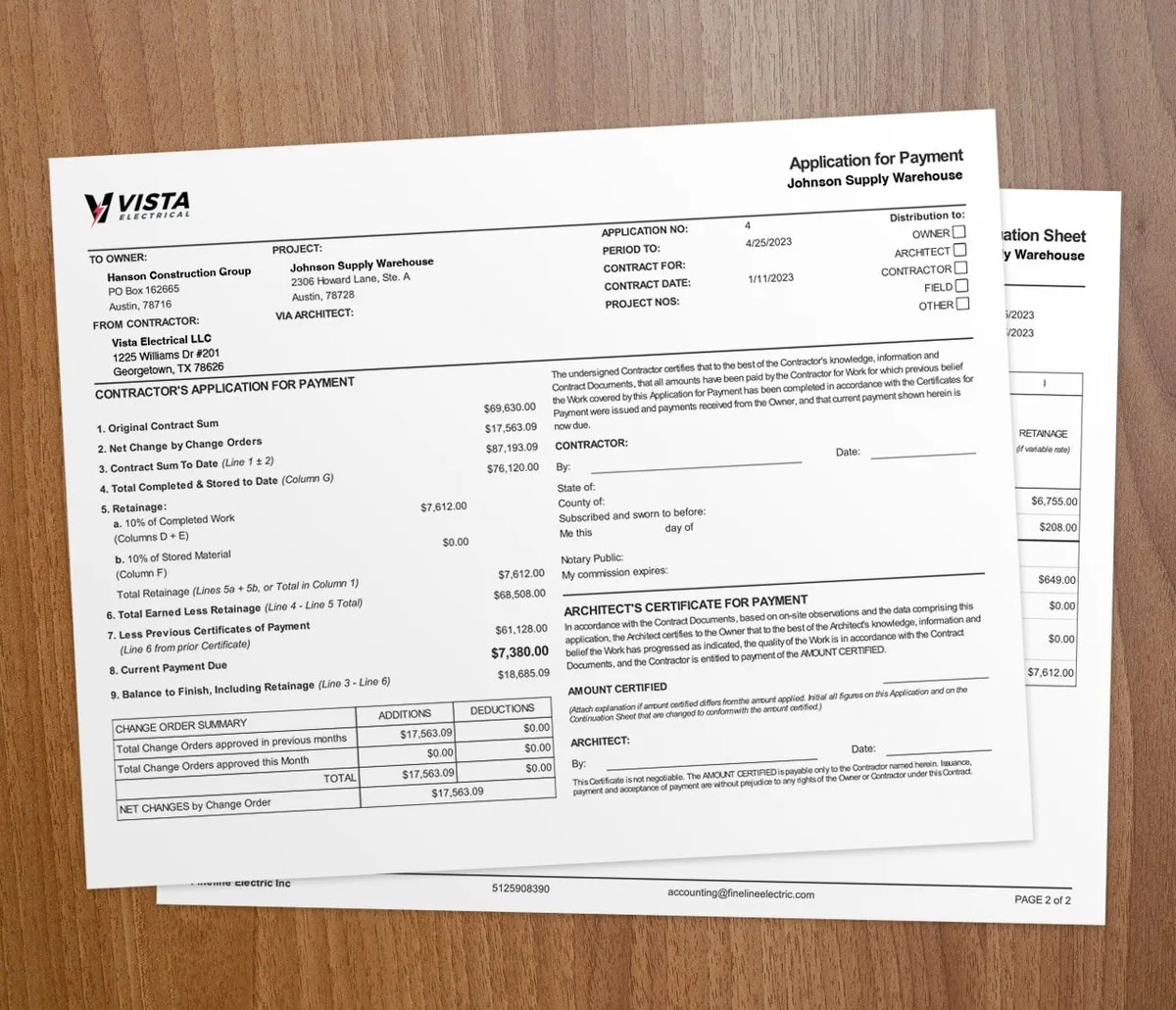
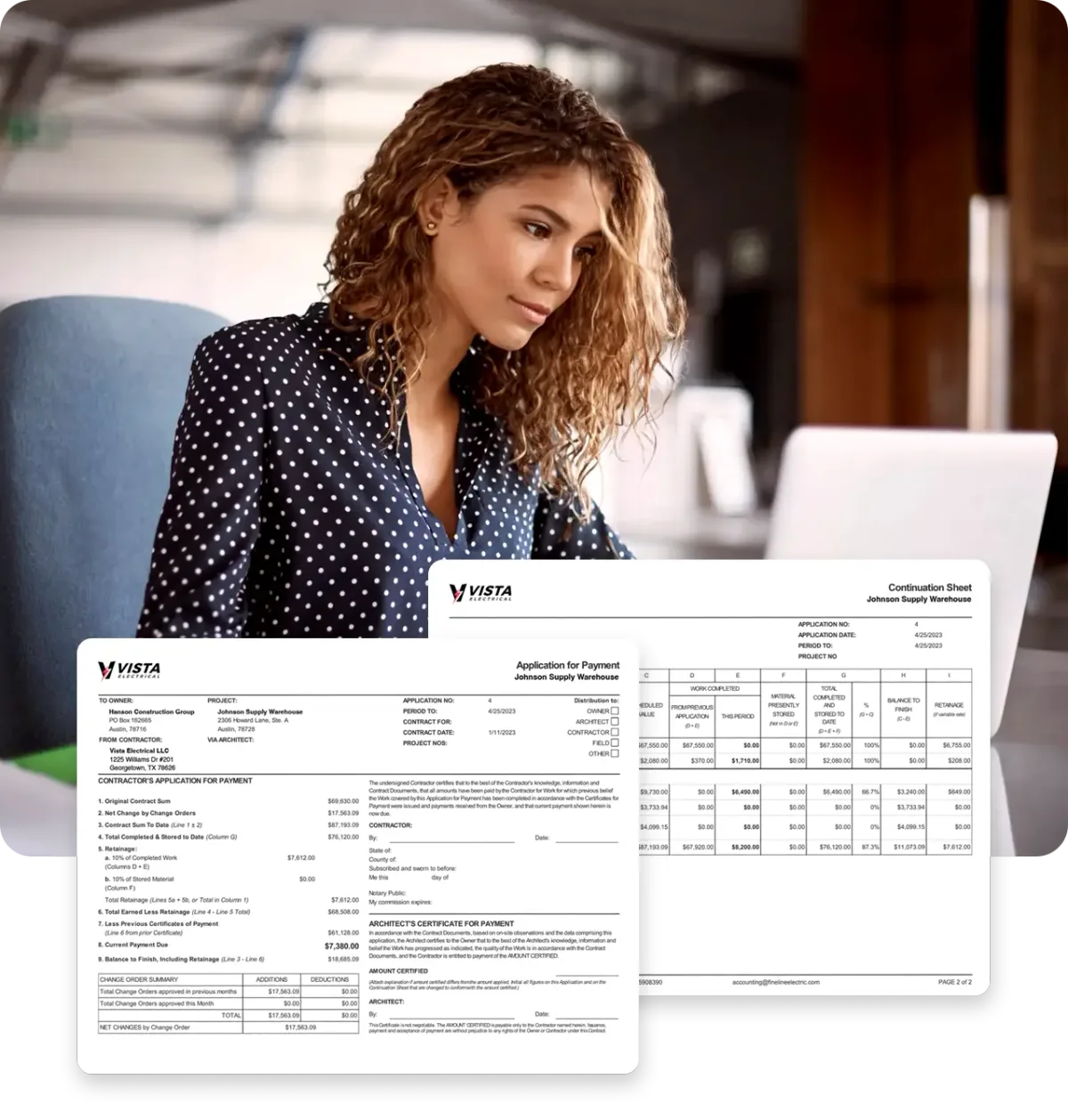
Advanced now includes job costing, budget versus actuals, change order management, WIP reporting, profitability reports, and what Intuit calls AIA-style invoicing tied to project phases and milestones.
That tells you something good. Even Intuit agrees contractors need more than bookkeeping.
But the features live only in Advanced, which now costs $340 per month. That is over $4,000 per year, and most of Advanced is built for bigger back offices, not field crews.
Read Intuit's wording closely too. It stops at AIA-style invoicing by phase and milestone. It never mentions G702, G703, the schedule of values, retainage, or stored materials. Those are the fields a general contractor's reviewer checks before releasing money.
So price the alternative before you upgrade.
| Path | Monthly cost |
|---|---|
| QuickBooks Online Advanced | $340 |
| QuickBooks Online Plus + Werx | $140 + $49 = $189 |
Contractor software like Werx adds AIA-style G702 and G703 billing, retainage, stored materials, change orders, and job costing on top of whatever QuickBooks plan you already run. The QuickBooks integration syncs both ways, so your books stay in QuickBooks.
That means Essentials or Plus can stay your accounting layer. The construction layer comes from a tool built for it. See how the QuickBooks integration works for contractors.
What can contractors do about it?
You have more options than paying the new rate and moving on.
- Check your renewal date. Your price changes on your first billing date on or after August 1, so you know exactly when it hits.
- Right-size your plan. If you were eyeing Advanced for the construction tools, price the alternative first: your current plan plus a construction billing layer.
- Audit your per-employee fees. Payroll and Time charges grow with headcount. Make sure you are paying only for active crew.
- Rethink the whole stack if the frustration runs deeper than price. Start with why contractors struggle with QuickBooks.
- Compare alternatives before you renew. Our guide to easy alternatives to QuickBooks covers the contractor-friendly options.
- Still on Desktop? Renewal prices rise there too on October 1, 2026. Before you migrate, see what contractors lose moving to QuickBooks Online.
For most contractors, the answer is not dropping QuickBooks. It is refusing to buy the $340 tier for features a purpose-built tool does better. Keep the books where they are, and put billing, change orders, and job costing in software made for construction.
Key takeaways
- QuickBooks Online Essentials, Plus, and Advanced rose 13 to 24 percent on billing dates from August 1, 2026.
- Plus has doubled since early 2021, from $70 to $140 per month.
- Per-employee fees for payroll and QuickBooks Time went up July 1, and they scale with your crew.
- Intuit added AIA-style billing to Advanced only, at $340 per month.
- You can keep your current QuickBooks plan and add construction billing through an integration instead.