
Most QuickBooks alternatives fall into two camps. One is operational tools that sync with QuickBooks. The other is full accounting replacements. The fastest fix is usually the first. Run estimates, time, and invoices in contractor software like Werx, then sync to QuickBooks Online.
Most contractors do not hate accounting. They hate forcing field teams into accounting software built for bookkeepers. If you want a tool that speaks construction, here are five options worth a look.
The best QuickBooks alternatives at a glance
- The real problem: Field crews struggle with software built for accountants, not jobsites.
- The smart fix (Werx): Run daily work in Werx, then sync to QuickBooks Online for the books.
- For large firms: Sage 100 is powerful but needs real IT setup and budget.
- For design and build: CoConstruct is strong on client selections but costs a lot.
- Coming off Desktop: Know what contractors lose moving to QuickBooks Online before you migrate.
- Feeling the cost: QuickBooks raised prices again in 2026, and Plus is now $140 a month.
1. Werx: the operational alternative
For most small to midsized contractors, the goal is not to fire your accountant. It is to stop wrestling with QuickBooks in the truck. Werx runs your field operations, then syncs with QuickBooks Online.
Whether you run a roofing crew or an HVAC shop, Werx connects the field and the office. Your team builds proposals and tracks labor without touching the general ledger.
Why it is the top choice:
- Flexible estimating: Build itemized estimates that convert to invoices in one click
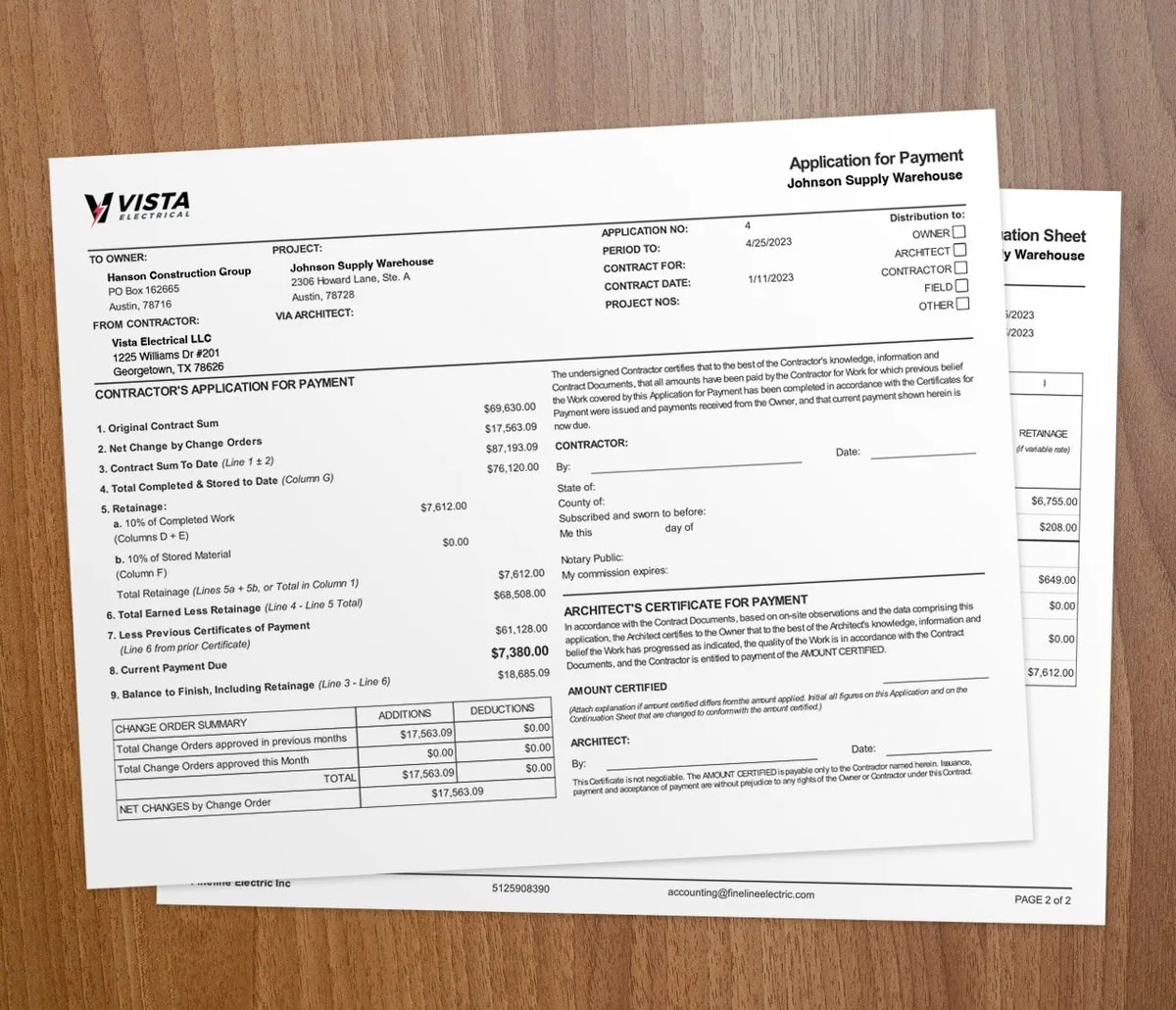
- AIA-style billing: Handle progress billing and retainage that QuickBooks struggles with
- T&M tracking: Manage time and material jobs by adding billable items on the fly
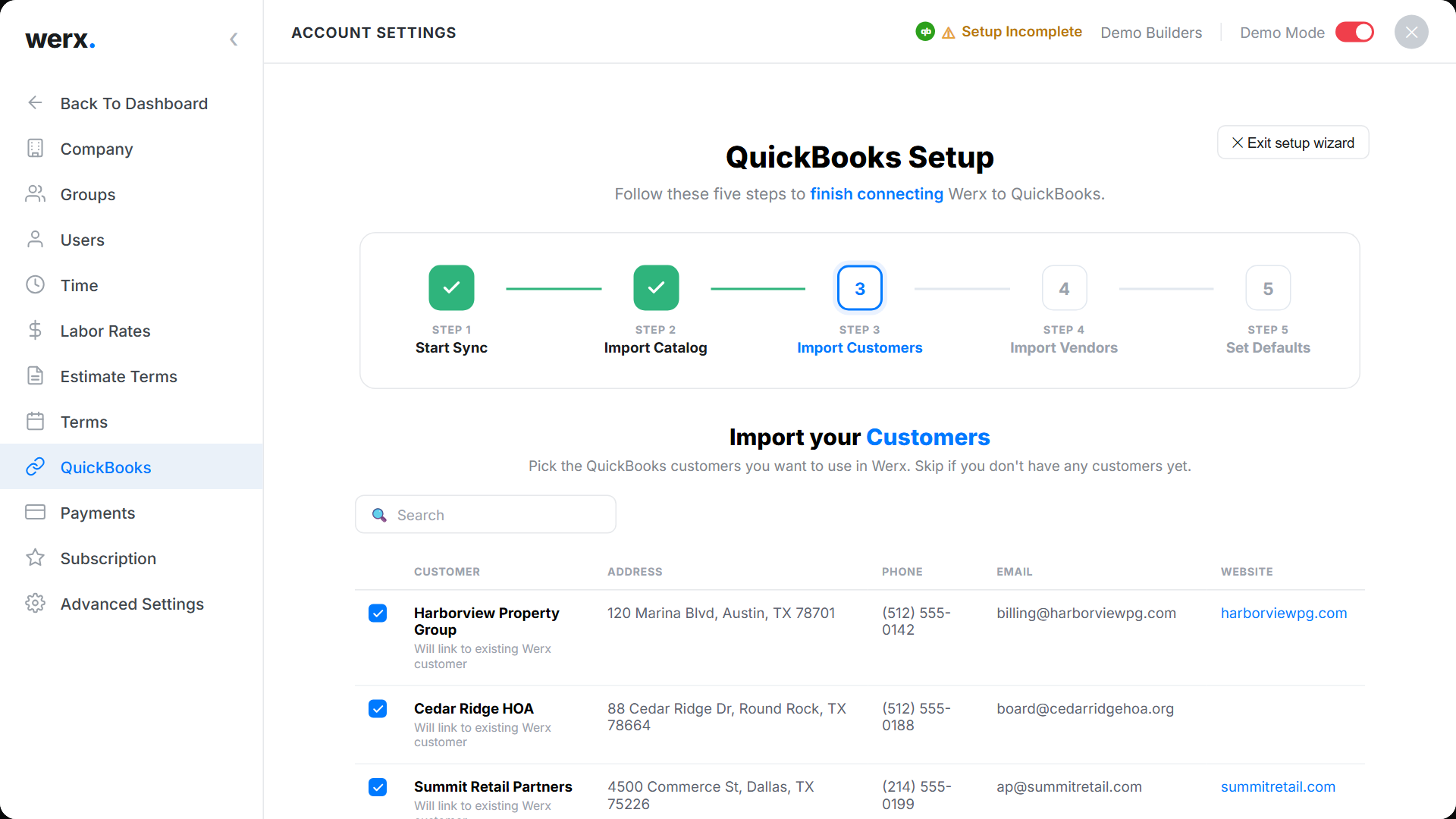
- Free QuickBooks integration: Keep your accountant happy with automatic data sync
Best for: Electricians, plumbers, general contractors, and remodelers looking to grow.
Pricing: 14-day free trial. Plans start at $49/month.
2. Sage 100 Contractor
Sage 100 is a legacy tool built for larger firms with complex audit needs. It is strong for big projects but overkill for a painting contractor or handyman. The setup and price reflect that.
- Pros: Strong audit trails and inventory planning
- Cons: Steep learning curve and higher price point
3. Fieldwire
Fieldwire is great for blueprint management and task coordination. It keeps the field and office aligned on plans and punch lists. But if you need progress billing or full accounting, you still need a separate tool.
- Pros: Great for viewing plans on mobile
- Cons: Lacks strong invoicing and estimating features
4. JobFLEX
JobFLEX is a simple Android app for sending a quick PDF quote. It works for very small shops. It lacks the depth a growing construction company needs.
5. CoConstruct
CoConstruct targets custom home builders. It is strong on client communication and design selections. The pricing starts around $399 per month, which is hard for smaller trades to justify.
QuickBooks alternatives: feature comparison
| Software | Best For | Primary Weakness |
|---|---|---|
| Werx | Small-Mid Contractors | Requires internet for cloud sync |
| Sage 100 | Large Commercial | Complex setup; Expensive |
| Fieldwire | Site Supervisors | Weak financial/billing tools |
| CoConstruct | Home Builders | High cost ($399+/mo) |
Which QuickBooks alternative is right for you?
Pick an operational tool plus QuickBooks if your crew is small to midsized. You keep your books and drop the field-data headache. This fits most electricians, plumbers, and general contractors. Our free contractor ROI calculator estimates what a switch would be worth from your own numbers.
Pick a full replacement like Sage 100 only if you are large and have complex audit needs. Pick CoConstruct if you build custom homes and live in client selections. Still deciding? Read why contractors find QuickBooks hard and our guide on choosing construction accounting software.
Key takeaways
- QuickBooks is strong for accounting but was not built for field teams.
- Werx bridges the gap by running operations and syncing with QuickBooks Online.
- Sage 100 suits large firms; CoConstruct suits custom home builders.
- The best setup is often an operational tool paired with your existing accounting software.