

Werx Academy
5 Building Construction Types Explained
Five classes, from fire-resistive steel down to wood frame. The type sets the fire rating, allowed height, and cost.
The five building construction types come from the International Building Code. The IBC sorts every building by its structural materials and fire-resistance rating. Your type drives code limits, insurance rates, and how you bid the job.
Why do construction types matter?
The construction type touches almost every part of a project. It shapes the materials, the labor, the fire protection, and the price. You need it right to bid the work and pass inspection.
- Sets which materials and methods the code requires
- Caps building height and floor area
- Drives fire protection and life safety rules
- Moves insurance costs and your project budget
Type I: Fire-resistive construction
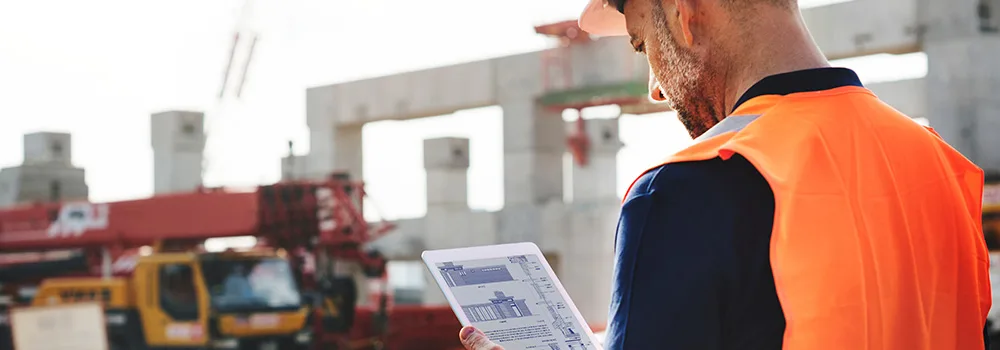
Type I is the most fire-resistant class. It covers high-rises, hospitals, and large commercial buildings. Every structural element is non-combustible and carries a high fire rating.
- Materials: Steel, reinforced concrete
- Fire rating: Typically 2 to 3 hours for structural elements
- Common uses: High-rises, hospitals, universities
- Key feature: Built to stand through a fire without collapse
Type II: Non-combustible construction
Type II uses non-combustible materials too. The fire ratings run lower than Type I. You see it on many newer commercial and retail buildings.
- Materials: Steel, metal decking, concrete block
- Fire rating: 0 to 2 hours, depending on subtype
- Common uses: Shopping centers, warehouses, schools
- Key feature: Non-combustible, but steel may be unprotected
Type III: Ordinary construction
Type III pairs non-combustible exterior walls with a wood-framed interior. The walls are usually masonry or concrete. You find it in older urban blocks and mixed-use buildings.
- Materials: Masonry or concrete exterior, wood interior framing
- Fire rating: 0 to 2 hours for exterior walls
- Common uses: Row houses, older commercial buildings, mixed-use
- Key feature: Non-combustible shell with a combustible interior
Type IV: Heavy timber construction
Type IV uses large-dimension lumber for the structure. The mass of the wood resists fire on its own. Heavy timber chars slowly instead of igniting fast.
- Materials: Heavy timber, mass timber, cross-laminated timber (CLT)
- Fire rating: Inherent resistance from the timber mass
- Common uses: Churches, barns, renovated warehouses, modern mass-timber projects
- Key feature: Large wood members resist fire through charring
Type V: Wood-frame construction
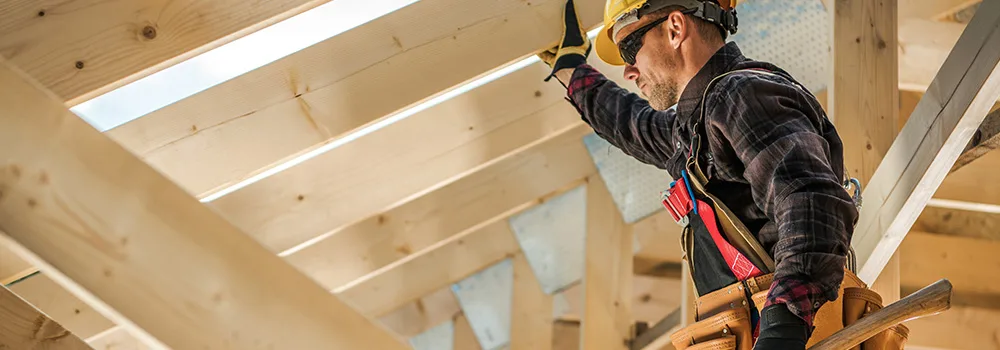
Type V is the most common type in the United States. It covers most homes and small commercial work. Walls, floors, and roof can all be wood-framed.
- Materials: Wood framing, engineered wood products
- Fire rating: 0 to 1 hour, depending on subtype
- Common uses: Single-family homes, apartments, small commercial
- Key feature: The most affordable and common method
When should you check a building's construction type?
Check the type before you bid any job. It sets your materials, your fire protection scope, and your price. Get it wrong and your estimate misses the mark.
Confirm the type again at permit and pre-construction. Local codes can limit height and area by type. When a job spans phases, a clean estimate-to-billing workflow keeps those numbers tied together.
- Bidding a new job and pricing materials and labor
- Pulling permits and confirming code limits
- Planning fire protection systems and inspections
- Talking specs with architects, engineers, and inspectors
How does this knowledge help contractors?
Knowing the type helps you bid tighter and stay compliant. You pick the right materials and plan the right inspections. You also talk shop with architects and inspectors without missing a beat.
- Bid more accurately on materials and labor
- Stay code-compliant from day one
- Speak clearly with the design and inspection team
- Plan for required fire protection and sign-offs
How does Werx help contractors manage any project type?
Whether you run a Type I high-rise or a Type V remodel, Werx keeps the job in one place. Contractor software like Werx ties your bid to your billing and your field hours. You manage estimates, AIA billing, time tracking, and job costing from one platform.
Key takeaways
- The IBC sets five construction types by materials and fire rating
- Type I is the most fire-resistant, Type V is the most common
- The type drives code limits, insurance, and your bid price
- Check the type before you bid and again at permit time
- Werx ties your estimate, billing, and labor to every project type
Frequently Asked Questions
What is the most common construction type?
Type V wood-frame is the most common in the United States. It covers most homes and small commercial buildings.
Which construction type is the most fire-resistant?
Type I fire-resistive carries the highest fire ratings. Code requires it for high-rises and critical buildings like hospitals.
How do construction types affect project costs?
Higher fire ratings in Type I and II cost more in materials and labor. Type V wood-frame is usually the most affordable.
Ready to grow your business?
Start your 14-day free trial today. No credit card required.
No credit card required · Free migration assistance · Cancel anytime