
The Importance of Construction Types in Project Planning
Understanding the diverse construction types is essential for effective project planning. Each construction type leverages specific materials and methodologies, shaping the overall strategy from design to execution. For contractors, distinguishing between these types is crucial. It not only influences material selection but also dictates resource allocation and project timelines.
The selection of a construction type also plays a vital role in budgeting and cost management. With precise knowledge, contractors can make informed decisions about materials and construction sequences. This leads to better alignment of budget estimates and project goals. Moreover, a rich understanding aids in communicating effectively with clients, helping them grasp the nuances of construction choices and outcomes.
Ultimately, integrating construction type knowledge into project planning enables contractors to deliver projects that meet quality standards and client expectations. This foundational knowledge serves as a stepping stone to achieving successful project outcomes.
Type I: Fire-Resistive Construction Explained

Fire-resistive construction, or Type I, is essential for maximizing safety and minimizing fire spread in high-risk structures like high-rise buildings. This construction type is characterized by its use of non-combustible materials with high fire-resistance ratings, making it a cornerstone of urban building safety. By employing materials such as concrete and protected steel, these structures are designed to withstand severe fire exposure, giving occupants ample time to evacuate and emergency services a window to control the blaze.
Characteristics and Applications of Type I Construction
One of the defining features of Type I construction is its ability to contain and suppress fires within the building’s compartments. This is achieved through reinforced walls, floors, and roofs that resist collapse and limit the spread of heat and flames. Common applications include skyscrapers, commercial complexes, and hospital buildings, where the safeguarding of life and property is paramount.
Additionally, Type I structures often incorporate advanced fire suppression and alarm systems, further enhancing safety protocols. These buildings are not just built with non-combustible materials; they are also subjected to rigorous building codes to bolster fire-resistance capabilities. This dedication to fire safety standards is crucial, especially in densely populated urban areas.
The Role of AIA-Style Billing in Compliance and Safety
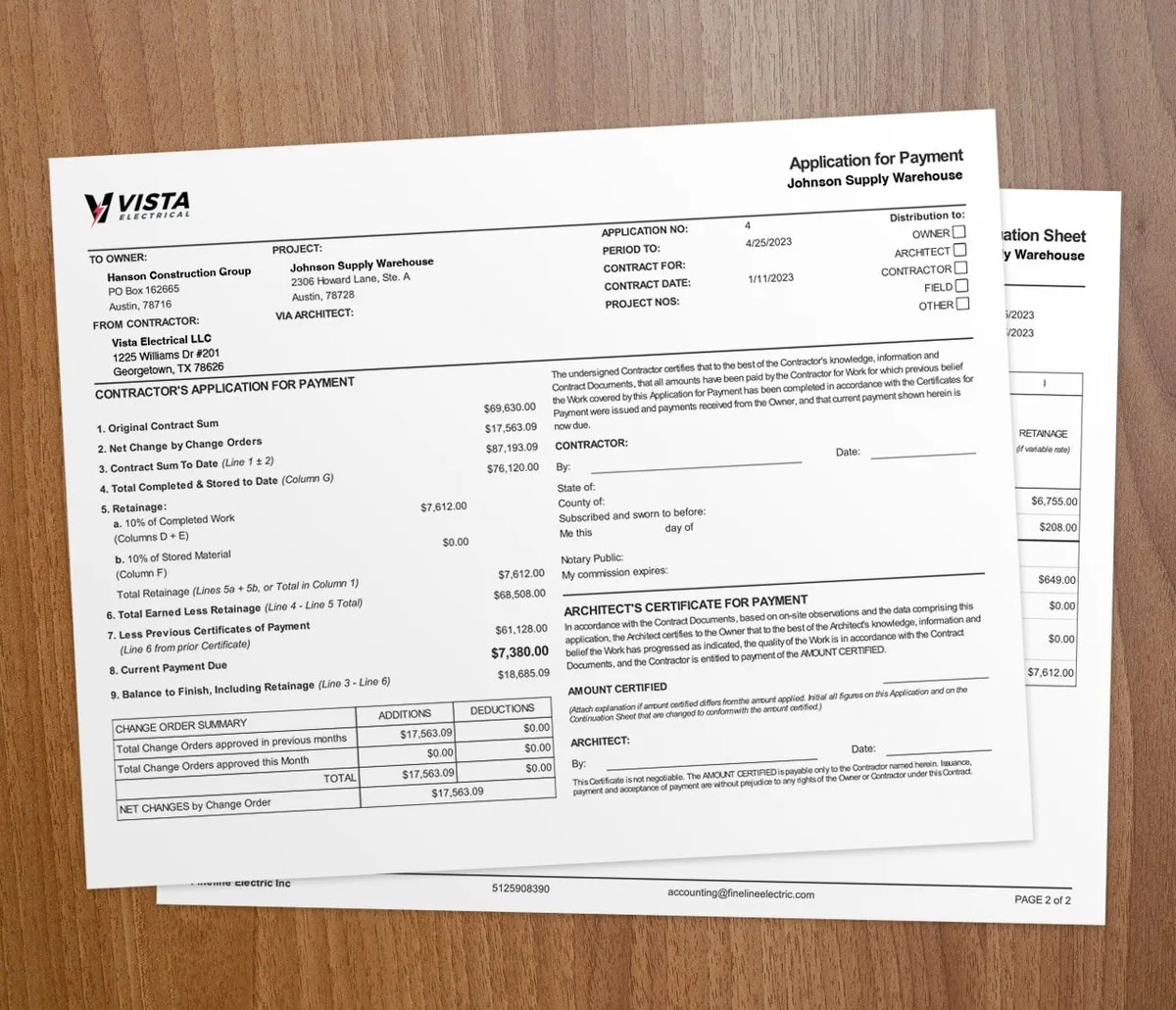
Given the comprehensive safety and compliance requirements associated with Type I construction, the AIA-Style Billing in project management becomes instrumental. This billing method ensures that projects adhere to the highest compliance standards by aligning financial processes with detailed project specifications. It facilitates transparent and accurate financial documentation, allowing contractors to monitor budgets effectively while maintaining compliance with safety standards.
Ultimately, understanding the features of Type I construction enables contractors to plan and execute projects that prioritize safety and compliance. This knowledge not only reinforces industry standards but also enhances project reliability and client satisfaction, which are crucial metrics in the construction sector. Through strategic planning and adherence to fire-resistive construction methodologies, contractors can deliver secure and dependable structures that stand the test of time.
Type II: Non-Combustible Construction Essentials

Type II construction is another critical category in the landscape of building designs, known for its use of non-combustible materials paired with moderate fire-resistance. Unlike Type I, which focuses on high fire-resistance, Type II offers a balance that is particularly beneficial for commercial applications where quick construction and cost-effectiveness are priorities. Understanding these nuances aids contractors in making strategic decisions that influence project outcomes and cost management.
Key Features and Typical Uses of Type II Construction
The primary characteristic of Type II construction is the usage of non-combustible materials like steel and concrete for the building’s structural elements. However, these materials might have a lower fire-resistance rating compared to those in Type I. This distinction makes Type II constructions suitable for environments where fire risk is moderate and effective containment is still crucial.
Commercial spaces such as shopping malls, theaters, and warehouses commonly utilize Type II construction methods. These structures benefit from the safety of non-combustible materials while maintaining economic feasibility. An added advantage of non-combustible materials is their ability to provide robust insulation, enhancing the building’s energy efficiency.
Effective Project Management in Commercial Builds
In the realm of commercial builds, Contractor Accounting Software plays a vital role in project management. Leveraging this software allows for streamlined budgeting and detailed cost tracking, which are essential for managing varied commercial projects. The software facilitates efficient handling of financial aspects, ensuring that projects are completed within the projected timelines and budgets.
With Contractor Accounting Software, contractors can meticulously plan their financials, aligning them with project specifications for successful outcomes. This integration not only supports cost-saving initiatives but also enhances the accuracy of financial reports, thereby increasing client trust and satisfaction.
Ultimately, choosing Type II construction for moderate fire safety needs and commercial objectives provides a dependable structure that combines non-combustibility with economic viability. Understanding these essentials helps contractors deliver efficient and safe projects that meet industry standards and client expectations.
Type III: Ordinary Construction Fundamentals

Type III construction, often referred to as “ordinary construction,” offers a hybrid approach that combines non-combustible exterior walls with interior elements that may be combustible. This unique construction style provides versatility in both design and function, making it highly adaptable to a variety of building projects. The blend of materials allows for flexible architectural designs while maintaining safety standards, presenting an ideal solution for many urban and suburban settings.
Versatility and Applications of Type III
This construction type is particularly appealing in residential and commercial contexts due to its adaptability. In residential environments, Type III is utilized to form visually appealing yet functional spaces, often incorporating wood for floors and roofing to balance aesthetics and structural integrity. In commercial settings, the design flexibility allows for a broad range of uses, from small businesses to mid-rise office buildings.
The cost-effectiveness of Type III construction makes it an attractive choice for developers seeking to manage budgets without compromising on design quality. The use of non-combustible materials in the exterior ensures a level of safety against external hazards, while the interior wood components contribute to a pleasant and comfortable environment.
Cost Management and Tracking in Mixed-Material Projects
Effective cost management is crucial in Type III projects, where a mix of materials are employed. Utilizing Time and Materials tracking is key to maintaining a clear view of expenditures and ensuring project efficiency. This feature allows contractors to monitor labor and material costs in real-time, providing transparency and control throughout the project’s lifecycle.
With time and materials tracking, contractors can address unforeseen changes in project scope or material costs swiftly, minimizing delays and ensuring that projects stay within budget. This adaptability enhances the ability to meet client needs and expectations while optimizing resource allocation effectively.
Overall, the adaptability and cost benefits of Type III construction provide a compelling option for a wide range of building projects. By leveraging contemporary project management tools and strategies, contractors can successfully navigate the complexities of mixed-material projects, delivering results that align with aesthetic, functional, and budgetary goals.
Type IV: Heavy Timber Construction Overview
Heavy Timber construction, also known as Type IV or “mill construction,” is a distinctive building type renowned for its use of large, solid wood components. This construction method is celebrated for its natural fire resistance and historical significance, making it a powerful choice for both traditional and modern building projects. Its reliance on massive timber beams provides structural integrity and an aesthetic charm that is hard to match.
Characteristics and Historical Uses of Heavy Timber
Traditionally, Type IV construction was employed in industrial buildings and factories, where the structural strength and fire-resistant qualities of large timber beams were paramount. Wood components, often exceeding eight inches in thickness, provide excellent fire endurance due to their ability to char on the exterior while maintaining structural integrity. This feature reduces the speed at which flames consume the timber, thus offering valuable time during a fire event.
In modern applications, heavy timber construction has gained popularity for its sustainability and environmental benefits. Engineered wood products, such as glulam or cross-laminated timber, offer the strength and fire resistance required while allowing for innovative architectural designs. These engineered options allow greater flexibility in construction while supporting environmentally conscious projects.
Managing Complex Projects with QuickBooks Integration
For contractors managing the intricate financial and scheduling aspects of heavy timber projects, effective project management software is crucial. Leveraging QuickBooks Integration optimizes the accounting process, facilitating efficient data transfer between the construction site and financial management systems.
This integration enables contractors to keep accurate financial records, track budgets in real-time, and ensure compliance with financial regulations efficiently. QuickBooks Integration supports streamlined invoicing, payroll processing, and cost tracking, making it an invaluable tool for managing the complexity of heavy timber constructions.
The benefits of Type IV construction extend beyond its aesthetic and environmental appeal to practical advantages in strength and safety. By combining traditional methods with modern technology and software, contractors can execute complex heavy timber projects with precision, ensuring successful outcomes that satisfy client expectations and industry standards alike.
Type V: Understanding Wood-Frame Construction
Type V construction, predominately known for its use of wood-frame structures, is the most common type found in residential buildings. It is favored for its affordability and ease of construction, making it accessible for a wide range of building projects, from new homes to multi-unit residential complexes. Despite its popularity, Type V construction presents unique challenges and advancements, particularly regarding fire safety.
Advantages and Applications of Wood-Frame Construction
The primary advantage of Type V construction is its cost-effectiveness. Wood is not only cheaper than many alternative building materials, but it also offers flexibility in design, allowing for creative and customized layouts. Lightweight framing techniques speed up construction timelines, facilitating faster project completion compared to other construction types.
Wood-frame construction is prevalent in residential projects due to these characteristics. Builders can efficiently erect single-family homes, duplexes, and low-rise apartment buildings using this method. The versatility of wood as a building material extends to both exterior and interior designs, providing aesthetic freedom alongside functionality.
Challenges and Advances in Fire Safety
One notable challenge of Type V construction is its susceptibility to fire. Wood is a combustible material, which historically posed significant fire risks. However, advancements in fire-retardant technologies and building codes have vastly improved safety. Modern practices involve the use of fire-resistant sheathing and fire-suppressing mechanisms integrated into the design to mitigate these risks.
Integrating HVAC Systems with Contractor Software
Efficient integration of essential systems, such as HVAC, enhances the living quality within wood-frame structures. Using HVAC Contractor Software streamlines the installation and maintenance of these systems, ensuring optimal performance and energy efficiency.
This software aids contractors in managing detailed HVAC project specifications, scheduling maintenance, and tracking system performance. By doing so, contractors can deliver reliable heating and cooling solutions that meet modern energy standards and client expectations, further augmenting the appeal of Type V construction.
With wood-frame construction’s enduring popularity, understanding its benefits and addressing its challenges are crucial for contractors aiming to deliver high-quality, safe residential projects. By leveraging current technologies and adhering to updated safety practices, builders can overcome obstacles, bringing well-designed, economically viable homes to completion efficiently.

FAQs: Common Queries About Building Construction Types
What factors determine the selection of a construction type?
Selecting a construction type depends on various factors, including the intended use of the building, budget constraints, regulatory requirements, and environmental conditions. Contractors need to evaluate the building’s purpose, whether residential, commercial, or industrial, and consider how local codes might influence material and design decisions.
How does construction type impact project costs?
Construction type significantly influences project costs. For instance, Type V (wood-frame) construction tends to be more cost-effective, given its material affordability and simplified construction process. Conversely, Type I (fire-resistive) and Type II (non-combustible) constructions may incur higher costs due to the need for specialty materials with enhanced safety features. Balancing these costs with project requirements and safety standards is essential for successful outcomes.
Which construction type is most sustainable?
Type IV (heavy timber) construction is often recognized for its sustainability. Using renewable wood resources, especially engineered timber products, aligns with eco-friendly building practices. Moreover, the energy efficiency of Type IV structures, due to wood’s natural insulating properties, contributes to sustainable development. The choice of construction type should factor in sustainability goals alongside other building requirements.
Can construction type influence building aesthetics?
Absolutely, the choice of construction type can greatly affect a building’s aesthetic appeal. Type III (ordinary construction) offers versatility in design, allowing the mix of materials to enhance visual appeal. Type V constructions favor architectural creativity, benefiting from wood’s flexibility to accommodate diverse styles and finishes, making them ideal for projects prioritizing aesthetics.
How does technology aid in managing different construction types?
Modern technology plays a pivotal role in managing construction projects across all types. Tools like Time Tracking and other project management software streamline operations, facilitating precise scheduling, cost management, and resource allocation. These technologies enhance project efficiency regardless of the construction type, ensuring adherence to timelines and budgets while maintaining high-quality standards.
By addressing these questions, contractors and clients alike can navigate the complexities of selecting and executing various construction types, leading to informed decisions that align with strategic goals and practical considerations.