
Managing construction subcontractors means lining up specialized trades, holding them to the contract, and paying them on milestones so the job stays on time and on budget. Subs handle most of the hands-on work, from electrical to plumbing to framing. Manage them well and quality and schedule hold. Manage them loosely and you absorb the delays.
Three things make the difference:
- Specialization: Each sub brings a skill your crew does not have. Match the trade to the task.
- Quality control: Steady oversight keeps work to spec the first time.
- Risk control: Catching problems early heads off delays and budget overruns.
For tactical hiring and payment tips, see our companion guide on essential tips for managing subcontractors.
What goes into a strong subcontract?

The contract is the spine of the whole relationship. A clear one prevents most disputes before they start.
Define the work and deliverables
- Assign the scope. Tie each task to the right sub based on their trade.
- Set deadlines. Give every task a real milestone date.
- Name the deliverables. Spell out what counts as done and what paperwork you need.
Add performance terms
- Quality standards: State the specs the work must meet.
- Progress checks: Define how you will track and verify progress.
- Penalties and incentives: Include terms for late work and bonuses for early finishes.
Tie payments to milestones
- Payment schedule: Link each payment to a completed milestone, usually on net-30 terms.
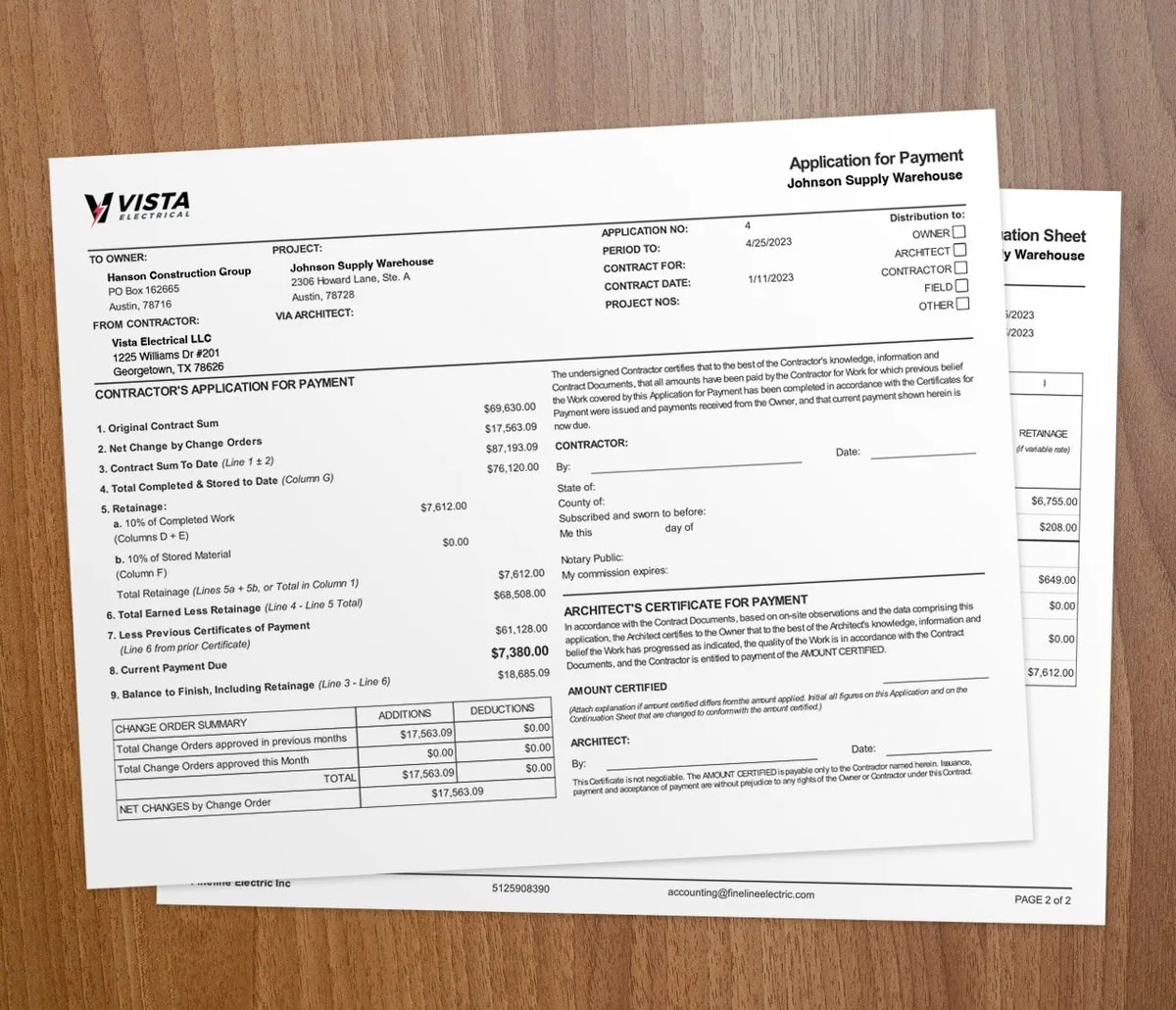
- Retainage: Hold back 5% to 10% of each payment until the work is done, and collect a lien waiver with every check.
How do you communicate with subcontractors?
Meet on a rhythm
- Kickoff meeting: Open every job by walking through goals and milestones.
- Weekly check-ins: Review progress and clear blockers each week.
- Feedback sessions: Keep the door open for two-way talk.
Use the right tools
- Project software: Centralize task assignments, deadlines, and file sharing.
- Messaging apps: Tools like Slack or Teams give crews a quick channel.
- Video calls: Zoom keeps remote subs in the loop.
Share updated plans, RFIs, and schedule changes the moment they happen. Timely information cuts the delays and miscommunication that drive rework.
How do you monitor subcontractor performance?

Regular checks keep quality high and catch issues before they grow:
- Milestone reviews: Grade performance at each key stage.
- Site inspections: Walk the work in person to verify quality.
- Documentation: Keep records of work done and any defects.
Use the time tracking feature to watch labor hours and progress in real time. You also need a current certificate of insurance on file for every sub before they start.
How does technology help manage subcontractors?
Software pulls subcontractor management into one place:
- Centralized data: All project info in one platform.
- Real-time updates: Instant view into changes and progress.
- Financial sync: QuickBooks integration keeps your books accurate across every sub.
- Digital approvals: Electronic sign-offs for change orders and completed work.
- Estimate tracking: Build and track sub estimates with the estimates feature.
What are the best payment practices?
| Line item | App 1 | App 2 | App 3 |
|---|---|---|---|
| Rough-in | 40% | 75% | 100% |
| Panels & gear | 0% | 30% | 60% |
| Fixtures | 0% | 0% | 25% |
- Milestone payments: Tie every payment to completed, verified work. Our free draw schedule calculator maps out what each draw pays after retainage.
- Standard billing: Use AIA-style billing for clean progress payments and retainage tracking.
- Fast processing: Run payments through integrated payment processing so subs get paid on time.
When should you tighten your subcontractor process?
Formalize your process once you run multiple trades on the same schedule, or any job where one missed handoff costs real time and money. On a small single-trade job, a short written agreement and a phone call can be enough.
When trades overlap and pay apps stack up, you need written scopes, tracked retainage, and a shared record. That is when contractor software like Werx earns its keep.
Key takeaways
- A strong subcontract defines scope, deadlines, quality standards, and milestone payments.
- Communicate on a set rhythm and share updates the moment plans change.
- Monitor performance with milestone reviews, site walks, and documentation.
- Hold 5% to 10% retainage, pay on net-30, and collect lien waivers with each check.
- Use software to centralize data, automate approvals, and sync with QuickBooks.