
The Importance of Customer Complaint Management

Handling customer complaints is vital for any business. It’s a cornerstone of building trust and fostering customer loyalty. When issues are resolved promptly and efficiently, it not only enhances satisfaction but also strengthens the reputation of your business. A robust customer complaint management system can prevent small issues from becoming big problems.

Effective complaint handling involves not just addressing the current issue but also learning from it to prevent future occurrences. This proactive approach augments business relationships and encourages repeat business. In the competitive world of contracting and construction, where customer trust is paramount, complaint management becomes a key differentiator. Utilizing project management solutions like Werx facilitates seamless communication and resolution processes, ensuring client concerns are managed with precision. In turn, this leads to enhanced client confidence and long-term loyalty.

Remember, how you handle complaints can set your business apart. It shows customers that you value their feedback and are dedicated to continuous improvement. This approach ultimately contributes to your bottom line by converting dissatisfied clients into loyal advocates.

Listening and Empathy in Customer Service

When managing customer complaints, listening and empathy are critical components. Understanding the customer’s perspective allows us to tailor solutions that address their concerns effectively. Active listening involves more than just hearing words; it requires a genuine effort to understand the emotions and experiences behind those words. By doing so, we can demonstrate that we value our customers’ input and are committed to resolving their issues.

Empathy in customer service goes beyond merely acknowledging a problem. It’s about putting ourselves in the customer’s shoes and validating their feelings. This approach can transform a negative situation into a positive interaction, fostering a sense of trust and respect. Customers who feel heard and understood are more likely to stay loyal and spread positive word-of-mouth about your business.

How to Handle Customer Complaints & Keep Clients Happy

Building Stronger Customer Relationships

Integrating empathy and active listening into our service approach enhances relationship-building efforts. It’s essential for identifying areas where our business can improve and where processes might need adjustment. For example, noticing recurring complaints about project timelines might indicate a need for better project management tools. Utilizing features from platforms like Werx, which offer tools for efficient job management and Time Tracking, can streamline processes and reduce the potential for delays.

Moreover, a culture of empathy within a team encourages employees to take genuine care of customers, improving overall satisfaction. Training sessions that emphasize these skills can help staff members become more adept at handling complaints, leading to more favorable outcomes for both the business and the customer.

Listening to and empathizing with customers is not just about addressing their immediate concerns. It’s about building a foundation for ongoing trust and improvements in service delivery. As we continue to refine these skills, we align our business objectives with customer needs, ensuring long-term success and satisfaction.

Communication Strategies for Complaint Resolution

Clear and effective communication strategies are at the heart of resolving customer complaints efficiently. Maintaining a transparent dialogue with customers helps manage their expectations and alleviate frustrations. It begins with acknowledging the complaint promptly and keeping the customer informed throughout the resolution process.

Implementing consistent communication practices ensures that customers feel valued and respected. This can be achieved by clearly explaining the steps being taken to address their issue and providing realistic timelines for resolution. Honesty and transparency, especially when there are delays, go a long way in maintaining trust. Informing customers of progress at regular intervals reassures them that their concerns are being prioritized.

Tools for Enhancing Communication

Leveraging tools designed for project communication can significantly improve how complaints are handled. Platforms like Werx offer features that facilitate seamless communication and project tracking, allowing for instant updates and information sharing. By integrating such tools, businesses ensure nothing falls through the cracks, and complaints are resolved in a timely manner.

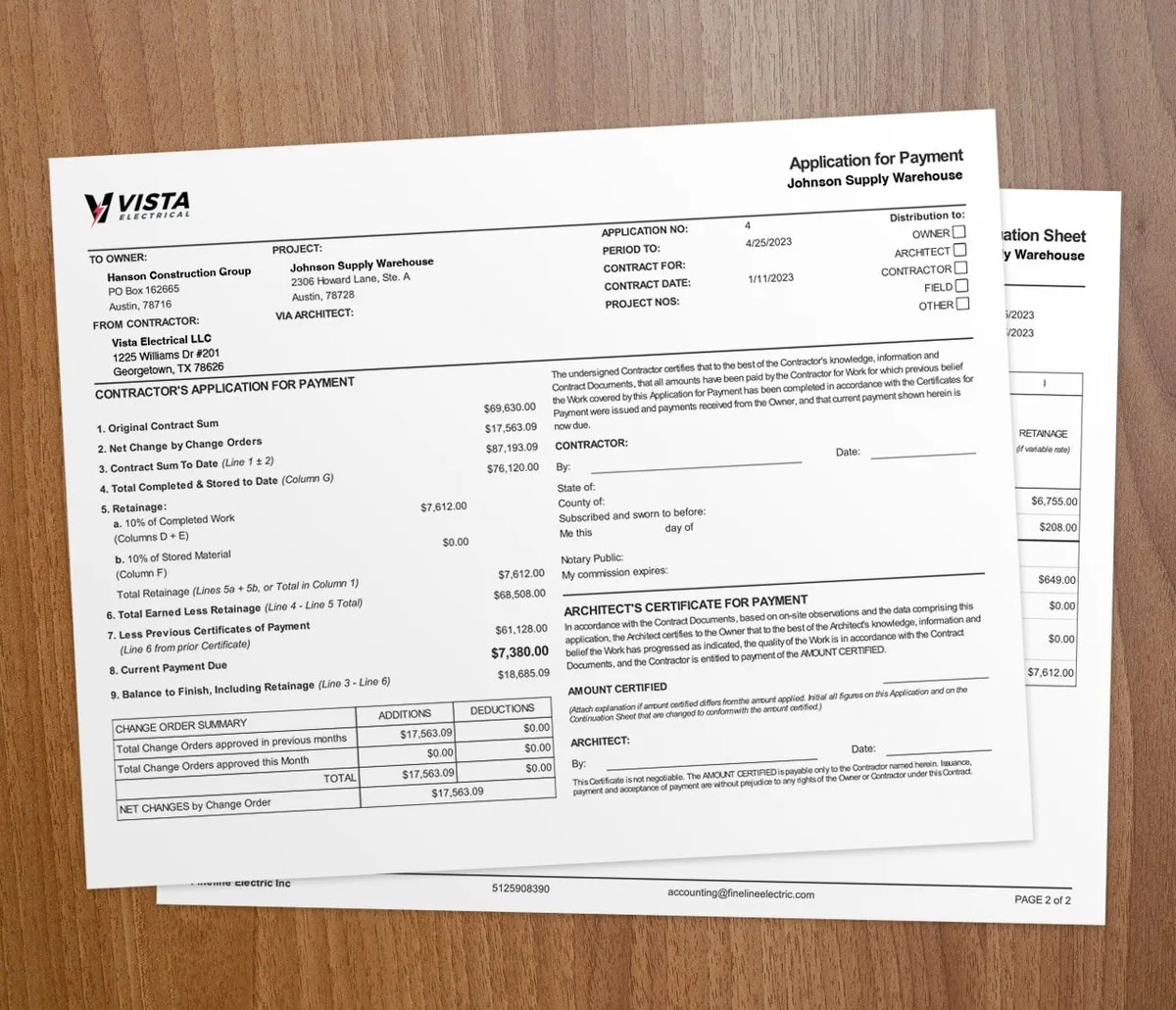
Features such as AIA-Style Billing allow for detailed explanations of work completed, providing customers with a clear understanding of project stages and costs involved. This level of detail helps mitigate complaints related to misunderstandings about billing and project execution.

Additionally, training employees to communicate with empathy and clarity is essential. Encouraging team members to use positive language and exhibit patience can transform a potentially negative experience into a positive one. It’s important to ensure that the communication tone remains professional, yet approachable, making customers feel comfortable and respected.

Incorporating structured communication strategies and utilizing advanced tools mirrors a commitment to customer satisfaction. As we enhance our communication methods, we build stronger customer relationships, encouraging repeat business and bolstering our reputation in the contracting industry. Such efforts not only resolve complaints but also turn them into opportunities for growth and improvement.

How to Handle Customer Complaints & Keep Clients Happy

Speedy and Efficient Complaint Resolution

Speed is often a critical factor in handling customer complaints effectively. Prompt resolution not only satisfies customers but also reflects positively on business efficiency. Addressing grievances swiftly demonstrates that we prioritize customer needs and are responsive to their concerns.

Implementing systems that facilitate rapid resolution processes can significantly enhance customer experience. Businesses can set themselves apart by ensuring complaints don’t linger unresolved for long periods. Swift resolutions are achievable by having a clear protocol in place for handling complaints and empowering staff to act quickly and decisively.

Utilizing Technology for Faster Resolutions

Adopting technological solutions can drastically reduce the time taken to manage and resolve complaints. Platforms like Werx are particularly useful for this purpose. With features such as Time Tracking and Payment Processing, businesses can automate parts of complaint resolution, mitigating human error and enhancing accuracy. These tools help ensure every complaint is addressed promptly and tracked efficiently.

For instance, real-time updates provided by these systems ensure that all team members are informed of the status of a complaint, facilitating a coordinated response. This level of organization ensures that no complaint is overlooked, and solutions are implemented as soon as possible.

Moreover, features like AIA-Style Billing allow businesses to detail project progress and costs effectively, addressing complaints related to misunderstandings about billing. These tools not only aid in providing clarity to clients but also reduce the likelihood of billing-related disputes, allowing for a smoother resolution process.

Incorporating a combination of quick response strategies and supportive technology fosters an environment where complaints are not only resolved expediently but also with a high degree of professionalism. By doing so, businesses can maintain a strong reputation and high levels of customer satisfaction, turning potentially negative experiences into opportunities for demonstrating customer commitment and operational excellence.

Empowering Employees to Resolve Complaints

Empowering employees to independently handle complaints can significantly enhance the customer experience. When team members are given the authority and tools they need, they can make swift decisions that lead to faster resolutions. This empowerment not only improves efficiency but also boosts employee morale, fostering a proactive work environment.

Empowered employees can act with confidence, addressing customer concerns with immediacy and care. This approach minimizes the frustration of having to escalate issues through multiple layers of management, allowing for a more streamlined and customer-friendly resolution process.

Training and Tools for Employee Empowerment

Providing comprehensive training is essential in preparing employees to effectively handle customer complaints. Training should focus on developing both technical skills and emotional intelligence. Employees equipped with these skills can manage complaints with empathy and professionalism, enhancing overall customer satisfaction.

Offering access to powerful tools such as Werx’s mobile application ensures employees, especially field operatives, can log and manage customer interactions in real-time. Features like Time and Materials Invoicing and real-time labor tracking empower team members to provide accurate updates and cost estimates to customers directly on-site.

Furthermore, by allowing employees to create Extra Work Authorizations and procure customer approval on the spot, businesses can expedite processes that might otherwise cause delays. This capability reduces back-and-forth communication and minimizes downtime, making for an efficient resolution experience.

Encouraging a culture where employees are trusted and given the autonomy to address complaints has far-reaching benefits. It not only improves individual accountability and motivation but also demonstrates to customers that each staff member is capable and invested in delivering high-quality service. Investing in employee empowerment translates into improved service delivery, robust customer relationships, and better business outcomes.

Leveraging Feedback for Continuous Improvement

Customer feedback serves as a critical tool for ongoing business improvement, particularly when handling complaints. Effective use of feedback enables businesses to identify recurring issues and implement solutions that prevent future occurrences. By continuously seeking and analyzing customer input, companies can make informed decisions that enhance service delivery and customer satisfaction.

Feedback acts as a mirror, reflecting the strengths and weaknesses of your operations. When used correctly, it guides strategy adjustments and process improvements. Constructive feedback helps in understanding customer expectations, which in turn assists in refining operational methods and service offerings.

Collecting and Analyzing Customer Feedback

Businesses should establish a consistent mechanism for gathering feedback after a complaint resolution. This can be through surveys, follow-up emails, or direct conversations. The goal is to obtain insights into the customer’s experience, understand their pain points, and gauge satisfaction levels.

Tools like Werx offer valuable features for collecting this data, allowing businesses to integrate feedback into their systems easily. With comprehensive Estimates and project analytics, teams can pinpoint areas requiring improvement based on customer insights. By leveraging this data, businesses can make proactive changes that avoid similar issues in the future, effectively enhancing the overall customer experience.

Analyzing feedback isn’t just about identifying what went wrong; it’s also about recognizing opportunities for innovation and growth. Positive feedback highlights what customers value, allowing businesses to further develop those strengths. Regular reviews of feedback data ensure that adjustments align with evolving customer needs and market trends.

Incorporating customer feedback into strategic planning enables businesses to remain customer-focused and agile. This commitment to continuous improvement not only builds a loyal customer base but also sets a path for long-term success. By valuing customer opinions and acting on them, businesses demonstrate dedication to excellence and readiness to adapt, ensuring competitive advantage in the evolving market landscape.

How to Handle Customer Complaints & Keep Clients Happy

Integrating Technology into Complaint Management

In today’s fast-paced business environment, incorporating technology into complaint management processes is crucial for ensuring efficiency and accuracy. Technological solutions simplify the complaint handling process by offering seamless communication channels and robust tracking systems, ensuring that no customer issue is overlooked or inadequately addressed.

Adopting technology in complaint management not only elevates the speed and quality of resolutions but also enhances customer satisfaction and trust. Digital tools help track the progress of complaints in real-time, offering transparency and clarity to everyone involved, including customers.

Technological Solutions for Enhanced Management

Platforms like Werx are instrumental in modernizing complaint management. With features designed specifically for contractors, Werx ensures that each complaint is logged accurately and followed through systematically. By utilizing QuickBooks Integration, businesses can streamline their financial processes, ensuring that billing and cost-related complaints are managed seamlessly alongside other project matters.

Real-time tracking capabilities provided by such platforms are invaluable. They enable businesses to monitor the status of complaints and communicate updates to customers efficiently. This proactive approach keeps customers informed, reducing anxiety and increasing their confidence in your service.

Furthermore, integrating mobile applications into the field operations allows staff to update complaint statuses and communicate directly with headquarters from the field. This connectivity ensures that responses to customer complaints can be orchestrated swiftly and accurately, even from remote locations.

Investing in technology for complaint management yields significant returns in customer loyalty and business reputation. It reflects a commitment to quality and efficiency, reassuring customers that their concerns are a priority. Moreover, technology integration prepares businesses to adapt to future advancements and customer expectations. By remaining at the forefront of technological adoption, companies not only enhance their current operational capabilities but also position themselves as leaders in customer care innovation.

Question & Answer: How Can Small Contractors Handle Complaints Efficiently?

Small contractors often face unique challenges when it comes to handling customer complaints. Limited resources and personnel can make it difficult to address issues promptly and thoroughly. However, with the right strategies and tools, small contractors can manage complaints efficiently and maintain high levels of customer satisfaction.

One of the primary steps in efficient complaint handling for small contractors is establishing a clear and consistent process. Set specific guidelines for receiving, documenting, and addressing complaints. This standardization ensures that every complaint is processed similarly, reducing confusion and improving response times.

Adaptable Solutions for Small Contractors

Leverage technology to streamline complaint management. Platforms like Werx offer an array of features tailored to the needs of small contractors, helping them manage customer relationships more effectively. By utilizing Contractor Accounting Software, businesses can integrate financial management with customer service, ensuring all aspects of the complaint are handled holistically.

Additionally, small contractors can benefit from cloud-based tools that offer real-time updates and mobile access. This flexibility allows teams to manage complaints from anywhere, ensuring timely actions regardless of their location. By enabling field staff to communicate directly with the office and the customer, complaints can be addressed faster, increasing customer satisfaction and reducing stress on small teams.

Training is another critical factor. Small contractors should focus on fostering a customer-centric culture among their team, emphasizing the importance of listening and empathy in client interactions. Empowering employees with the authority to make minor decisions can drastically reduce turnaround times, demonstrating to customers that their concerns are a priority.

Through strategic use of technology and investment in team training, small contractors can transform their approach to complaint handling. These initiatives not only boost client satisfaction but also build the contractor’s reputation for reliability and responsiveness. By prioritizing efficient complaint management, small contractors can differentiate themselves from competitors, fostering positive long-term relationships with their clients.

Adapting Strategies for Ongoing Success

Adapting and refining complaint management strategies is essential for long-term success. The dynamic nature of customer expectations and market trends necessitates a constant evaluation and adjustment of existing processes to maintain high customer satisfaction levels. Regularly updating complaint handling strategies ensures businesses remain competitive and responsive to client needs.

Begin by conducting periodic reviews of your complaint management procedures. Analyze past complaints to identify patterns or recurring issues. This analysis helps to pinpoint areas for improvement, allowing businesses to implement changes that prevent similar problems in the future. Gathering insights from team members who handle complaints directly can offer practical perspectives on what adjustments may yield the best results.

Utilizing Advanced Tools for Strategy Adaptation

Technology plays a pivotal role in enabling businesses to adjust and enhance their complaint management strategies. Platforms like Werx offer a suite of tools that support continuous improvement efforts. By utilizing Payment Processing and project tracking features, businesses can gain comprehensive insights into how operational changes impact customer satisfaction.

Moreover, utilizing analytical tools to track the outcomes of adaptations ensures that the changes are beneficial and align with business goals. This data-driven approach allows for precise adjustments that optimize the customer experience, turning feedback into actionable improvements.

Additionally, fostering an organizational culture that embraces change is crucial. Encourage open communication and feedback from employees about the effectiveness of current complaint handling processes. This collaborative environment can unveil innovative solutions and create a unified approach to enhancing customer satisfaction.

Ultimately, adapting complaint management strategies is an ongoing endeavor that not only addresses customer concerns but also strengthens the business’s market position. Through strategic updates and leveraging advanced technologies, businesses can ensure sustained excellence in customer service, encouraging loyalty and fostering growth.

To Wrap Things Up

Effectively handling customer complaints is an intricate aspect of business operation, with profound impacts on customer satisfaction and loyalty. Throughout this guide, we’ve explored various strategies and tools that can aid businesses in turning complaints into opportunities for growth and improvement. Key elements include understanding the importance of customer complaint management, actively listening with empathy, maintaining clear communication, and implementing technological solutions to streamline processes.

Speedy resolution of complaints plays a critical role in enhancing customer experiences. Empowering employees to make quick decisions, coupled with effective training and the right tools, ensures that issues are resolved with efficiency and care. Furthermore, leveraging customer feedback is crucial for continuous improvement, offering insights that drive strategic adjustments aligned with customer expectations.

Investing in Technology and Team Empowerment

Integrating technology into complaint management can transform how businesses address customer issues. Platforms like Werx facilitate effective communication, efficient project tracking, and real-time data analysis, enhancing transparency and accountability. This, in turn, solidifies customer trust and satisfaction.

By focusing on empowering teams with the right skills and resources, businesses foster an environment where customer service excellence becomes the norm. Such an approach not only meets but often exceeds customer expectations, paving the way for robust client relationships and repeat business.

In conclusion, refining complaint management strategies is an ongoing process that demands dedication and adaptability. By embracing these strategies, businesses can differentiate themselves in competitive markets. For those looking to enhance their complaint handling with cutting-edge solutions, Werx offers a 30-day free trial with no credit card required, providing an opportunity to see firsthand how technology can optimize your business operations.