
How Contractors Can Use AI & Automation to Save Time & Money

Embracing AI Automation in Construction: A New Era for Contractors

The construction industry is witnessing a transformative shift with the advent of AI automation. This technological evolution promises to redefine how we approach tasks by increasing efficiency and driving cost savings. AI automation for contractors is no longer a futuristic concept; it’s a pivotal tool that empowers contractors to enhance productivity.

In an era marked by rapid technological advancements, keeping up with AI-driven tools is crucial for staying competitive. AI helps streamline operations by automating routine tasks, predicting project outcomes, and optimizing resource allocation. This shift not only reduces overhead but also empowers contractors to focus on strategic project elements.

Contractors who embrace AI automation benefit from real-time data analysis and robust decision-making frameworks. These innovations lead to smarter resource management, enabling contractors to complete projects on time and within budget. As AI continues to evolve, it provides contractors an edge, making project management more intuitive and less labor-intensive.

Transforming Project Management with AI

AI automation is revolutionizing project management within the construction sector. Integrating AI into project planning processes significantly enhances labor allocation, scheduling, and risk management. Contractors benefit from predictive models that forecast potential challenges and supply valuable insights for proactive decision-making.

With AI-driven tools, project managers can automate scheduling tasks based on real-time data. This capability helps anticipate resource requirements and manage changes efficiently. AI systems analyze past projects to identify patterns, allowing managers to allocate resources more effectively and reduce project delays and costs.

Enhancing Efficiency with Predictive Analytics

Predictive analytics powered by AI plays a crucial role in construction project management. By analyzing historical data, AI provides insights that enable managers to make informed decisions about labor needs, material procurement, and project timelines. These insights improve the accuracy of project estimates and budgets, ensuring that projects remain on track from start to finish.

Incorporating AI into labor allocation processes optimizes workforce management. AI systems can track worker availability, skill sets, and location data to dynamically assign tasks. This ensures the right team is available at any given time, enhancing productivity and minimizing downtime.

AI-Enhanced Risk Management

Risk management is another area significantly impacted by AI automation. AI tools can swiftly analyze vast amounts of project data to identify potential risks early, offering preemptive solutions to avoid costly setbacks. By simulating different scenarios, AI helps project managers prepare strategies to mitigate potential issues before they occur.

For contractors aspiring to lead in their field, embracing AI in project management is essential. As AI technologies evolve, they equip contractors with the tools needed to succeed in an increasingly competitive industry landscape. Leveraging these innovations allows for smoother operations, enabling contractors to focus on the bigger picture while AI handles the details.

How Contractors Can Use AI & Automation to Save Time & Money

Enhancing Communication and Collaboration with AI-Powered Tools

Effective communication and collaboration are pillars of successful construction projects. AI-powered tools are stepping up to transform these areas by facilitating real-time data sharing and automated reporting. These advancements not only streamline day-to-day operations but also enhance decision-making accuracy, reducing the likelihood of costly errors.

Streamlining Communication with Real-Time Data Sharing

AI automation for contractors introduces the capability to access and share project data in real time. This dynamic data flow ensures that all team members, from on-ground workers to project managers, are on the same page. Miscommunication, one of the leading causes of construction delays, is significantly reduced as accurate information is relayed promptly across channels.

AI tools can automatically distribute updates and progress reports, ensuring that key stakeholders have access to the latest data any time they need it. By eliminating the manual gathering and analysis of data, teams can focus on critical tasks, increasing overall productivity.

Automating Reporting for Improved Collaboration

Automated reporting is another significant benefit provided by AI technologies. AI can generate comprehensive reports quickly and accurately, showcasing project progress, financial data, and other critical insights. These reports are not only faster but also more precise, reducing human error and offering a detailed overview of current project statuses.

For contractors, this means fewer misunderstandings and more informed decisions. Teams can collaborate more effectively, using insights from AI-generated reports to make adjustments and resolve issues collaboratively and efficiently. As a result, projects are more likely to be completed on time and within budget.

The collaborative power of AI extends beyond internal teams to clients and contractors as well. By utilizing real-time data and automated reporting, project transparency is improved. Clients can be kept informed with up-to-date information, leading to higher satisfaction and trust between all parties involved.

At WERX, our commitment to leveraging AI for enhanced communication is integral to successful project execution. While our AI tools continue to evolve, they’re tailored to the specific needs of contractors, offering enhanced communication and collaboration tailored to your project’s requirements. This integration fosters an environment where AI drives not just efficiency but also seamless teamwork across all levels of construction.

Revolutionizing Estimating and Budgeting through AI

In the fast-paced world of construction, accurate cost estimation and budgeting are crucial for the success of any project. AI automation for contractors is transforming these financial processes, offering unprecedented precision and control. By leveraging AI-driven improvements, contractors can better set competitive bids and maintain healthier profit margins.

Enhancing Accuracy with AI-Powered Estimations

AI technologies analyze historical data, current market trends, and resource availability to generate highly accurate project estimates. This meticulous approach helps contractors predict costs more effectively, reducing the risk of underestimating or overestimating project budgets. Accurate cost estimations enable contractors to bid more competitively, ensuring that they remain financially viable and attractive to prospective clients.

AI also simplifies the process of updating estimates as project details evolve. Changes in material costs or labor requirements can be seamlessly incorporated into the original budget, ensuring that estimates remain relevant throughout the project’s duration. This adaptability is crucial in an industry where variables can shift rapidly.

Budgeting Efficiencies Enabled by AI

AI automation enhances budgeting processes by offering real-time insights into spending patterns and identifying areas where savings can be achieved. Predictive analytics tools allow contractors to manage finances with greater foresight, diligently tracking expenditure against forecasted budgets. This not only prevents financial overages but also enables strategic cost-saving measures to be implemented proactively.

Additionally, AI-driven budgeting tools facilitate transparency across projects. Project managers can share financial updates with stakeholders through automated reports, fostering transparency and accountability. By maintaining clear financial oversight, contractors can cultivate trust with clients and stakeholders, reinforcing their reputation for financial acumen and reliability.

Harnessing the power of AI in estimating and budgeting empowers contractors to navigate the complexities of project finances with greater confidence and accuracy. As AI continues to reshape these essential processes, it equips contractors with the tools they need to maintain robust financial health and succeed in an ever-competitive construction landscape.

How Contractors Can Use AI & Automation to Save Time & Money

Monitoring On-Site Activities with AI: Safety and Efficiency

AI technologies are enhancing on-site construction activities, bringing safety and efficiency to new levels. By deploying AI solutions such as drones and robotics, contractors can conduct detailed site inspections with unmatched precision. These innovative tools facilitate timely interventions and problem resolutions, thereby optimizing project workflows.

Leveraging Drones for Comprehensive Site Inspections

Drones equipped with high-resolution cameras and sensors allow contractors to monitor construction sites from a bird’s-eye view. This empowers project managers to perform comprehensive inspections without needing to physically traverse potentially hazardous areas. Drones provide real-time aerial footage and data, enabling quick identification of structural issues or safety concerns.

The use of drones translates to immediate benefits in not only improving safety conditions but also enhancing overall project efficiency. Regular drone inspections help maintain compliance with safety regulations, decrease the likelihood of on-site accidents, and ensure that any necessary adjustments are identified and enacted swiftly.

Robotics Enhancing On-Site Productivity

Robotic automation is further transforming the way construction activities are carried out. Robots can undertake redundant or dangerous tasks, allowing human workers to focus on more complex project elements. These capabilities enhance worker safety by mitigating exposure to hazardous conditions and raise productivity by maintaining consistent output levels.

AI-powered robots are also essential for quality control, conducting repetitive tasks with precision and consistency. For example, robots can automate the pouring of concrete or the laying of bricks with a level of accuracy that surpasses manual efforts. Their introduction leads to faster project turnaround times and a reduction in material waste, contributing to cost efficiency.

Integrating AI technologies into on-site activities not only augments safety measures but also accelerates operational efficiency. By adopting these advanced solutions, contractors can ensure that site activities are performed with the highest respect for quality and worker well-being. As AI technology progresses, it promises to further elevate the standards of safety and efficiency in the construction industry, paving the way for more innovative and sustainable building practices.

AI in Time Tracking and Payroll Management

AI is making significant strides in optimizing labor productivity within the construction industry, particularly through enhanced time tracking and payroll management systems. These AI-driven solutions are invaluable for contractors looking to streamline labor operations, ensuring efficiency and cost-effectiveness in managing workforce tasks.

Streamlining Time Tracking with AI

AI technology facilitates precise time tracking, enabling contractors to accurately monitor employee hours and project contributions. By integrating AI systems into time-tracking processes, contractors can automatically log work hours, reducing dependency on manual input and minimizing errors. This accuracy ensures that labor costs are aligned with actual on-site activities, preventing discrepancies that could lead to budget overruns.

AI-enhanced time tracking also generates valuable data for assessing productivity levels. By analyzing this data, contractors can identify trends in workforce efficiency and make informed decisions to optimize labor allocation. Such insights allow contractors to deploy their workforce more strategically, ultimately boosting project performance and cost management.

AI-Driven Payroll Management

Automated payroll management, powered by AI, ensures timely and accurate compensation for employees. AI systems streamline payroll processing by automating calculations, tax deductions, and compliance checks. This minimizes human error and reduces administrative workload, allowing finance teams to focus on more strategic financial tasks.

Incorporating AI into payroll management also enhances transparency and employee satisfaction. Workers receive precise payroll information, fostering trust and integrity within the organization. Furthermore, AI systems can quickly adapt to regulatory changes, ensuring continuous compliance with labor laws and reducing the risk of costly penalties.

Overall, embracing AI for time tracking and payroll management offers contractors a competitive advantage. It allows for more strategic labor management while freeing up resources to focus on core business operations. As AI continues to evolve, its role in refining labor and payroll processes will only grow, providing contractors with innovative solutions to enhance their operational efficiency and workforce satisfaction.

How Contractors Can Use AI & Automation to Save Time & Money

The Integration of AI in Payment Processing

Payment processing is a critical component of construction management, and AI integration is poised to simplify this often complex aspect significantly. By adopting AI for payment processing, contractors can enjoy streamlined financial transactions, improved accuracy, and enhanced cash flow management. These benefits are integral for maintaining robust financial health and operational efficiency.

Simplifying Transactions with AI Automation

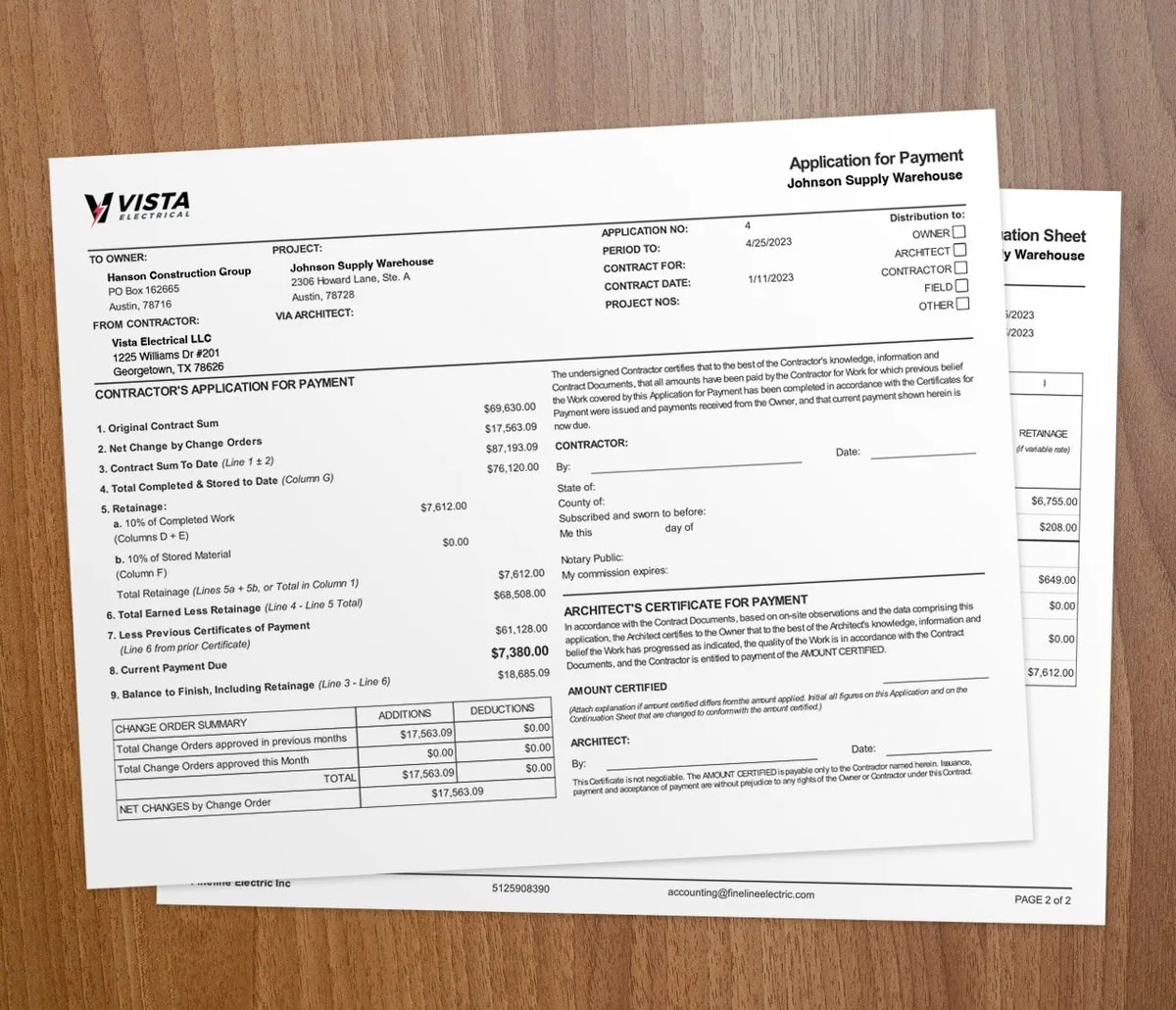
AI-driven payment systems can automate the processing of invoices, payments, and receipts, reducing the need for manual intervention. This automation decreases processing time and minimizes the risk of human error, ensuring greater accuracy in financial transactions. The seamless flow of funds facilitated by AI reduces the administrative burden on accounting teams, allowing them to focus on strategic financial planning and analysis.

Moreover, AI payment processing can streamline client interactions. By providing transparent and timely billing, contractors can enhance client satisfaction and foster stronger financial relationships. Enhanced transparency leads to fewer disputes and quicker resolution of payment-related issues.

Boosting Cash Flow and Financial Oversight

Effective cash flow management is crucial for the success of any construction project. AI systems provide real-time insights into payment statuses and financial transactions, allowing contractors to monitor cash flow with precision. This improved oversight helps contractors make informed decisions about resource allocation and project funding.

AI also plays a vital role in enhancing financial forecasting. By analyzing historical payment data and current financial trends, AI can predict cash flow patterns, helping contractors prepare for future financial needs. This foresight is invaluable for maintaining financial stability, even in the face of unforeseen project delays or cost overruns.

For contractors aiming to leverage technology to optimize payment processes, tools like WERX’s payment processing features offer significant advantages. These innovations not only simplify financial transactions but also provide contractors with the financial clarity needed to thrive in a competitive marketplace.

Incorporating AI into payment processing ensures that contractors can navigate the complexities of project funding with confidence and ease. As the technology continues to evolve, it promises to further refine the efficiency and reliability of financial management within the construction industry.

FAQ: Addressing Common Concerns About AI Automation for Contractors

As AI technology advances, it’s natural for contractors to have questions and concerns about integrating AI automation into construction practices. Addressing these concerns is essential for a smooth transition and maximizing the benefits AI can offer.

Is AI Automation Difficult to Implement?

One common concern is the perceived complexity of implementing AI systems. However, many AI-powered tools designed for the construction industry are user-friendly and offer straightforward integration with existing workflows. Solutions like WERX are built with contractors in mind, offering intuitive interfaces and comprehensive support to ease the transition.

Will AI Replace Human Workers?

Another concern revolves around AI replacing jobs. In reality, AI is designed to enhance human capabilities, not replace them. By automating repetitive tasks, AI frees up workers to focus on more complex and creative aspects of projects. This shift allows teams to increase productivity and innovation.

How Secure is AI Data Management?

Data security is paramount, especially when sensitive project and financial information is involved. AI systems prioritize security by incorporating advanced encryption methods to protect data integrity. Contractors should choose AI providers that adhere to stringent security protocols to ensure data safety.

What is the Cost of Implementing AI?

The cost of implementing AI varies based on the size of the construction firm and the specific applications required. While there are upfront costs, the long-term savings from increased efficiency, reduced errors, and enhanced productivity often outweigh these initial investments.

How Quickly Can Benefits Be Seen?

Many contractors notice improvements shortly after integrating AI solutions. Real-time data analytics, streamlined workflows, and enhanced decision-making capabilities can lead to immediate boosts in project efficiency and cost reduction. However, full-scale benefits typically become apparent as the technology is integrated across more projects.

Addressing these concerns helps demystify AI integration, allowing contractors to embrace the technology with confidence. By incorporating AI, contractors can unlock unprecedented efficiency, safety, and innovation within their projects, positioning themselves at the forefront of the construction industry’s future.