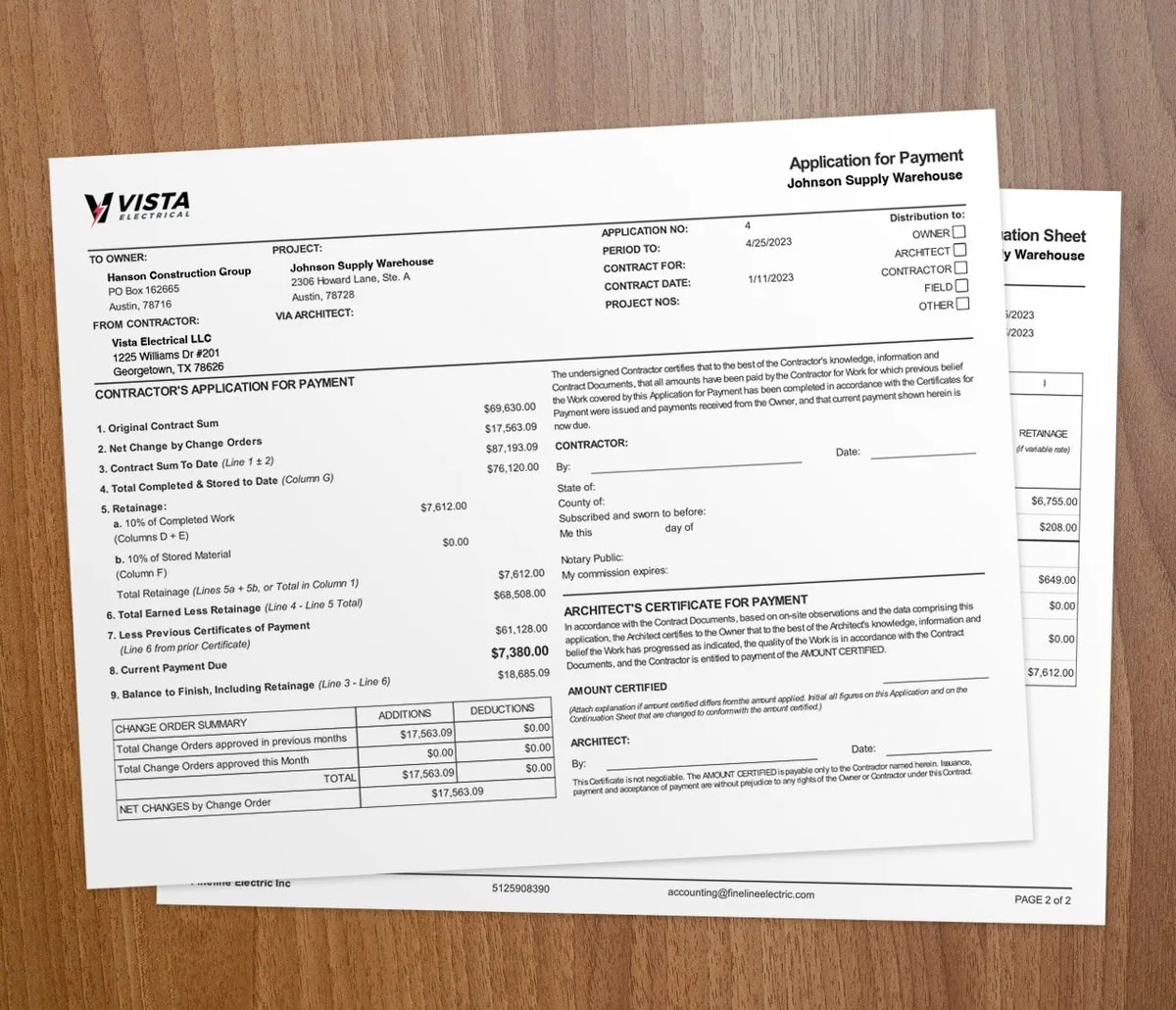

Construction estimates come in five main types: preliminary, detailed, quantity, bid, and control. Each one fits a different stage of a job. Pick the right one and you bid with confidence instead of guessing.
An estimate is more than a number. It sets the budget, shapes the contract, and decides if you make money. A bad estimate causes overruns, blown timelines, and lost bids. A good one keeps the job on track from day one.
This guide breaks down all five types in plain terms. You will learn what each one does and when to reach for it. For a deeper primer, see our guide to the main construction estimate types.
What are the five types of construction estimates?
Each estimate type matches a phase of the project. Early estimates are rough. Later ones get exact. Here is how they stack up.
Preliminary estimate
A preliminary estimate is your first rough number. It runs at the start, before plans are final. You use general assumptions and past jobs to give a ballpark cost.
This estimate helps owners decide if a project is worth pursuing. It is not exact. It is a gut check on feasibility and budget range.
Detailed estimate
A detailed estimate breaks the job into every cost. It covers materials, labor, equipment, and overhead, line by line. You build it from blueprints and specs once the design is set.
This is the number you base your final budget on. It demands accurate plans and current pricing. Most profitable bids start here.
| 1 | Demolition & site prep | $2,400 |
| 2 | Materials package | $8,150 |
| 3 | Labor — 160 hrs @ $85 | $13,600 |
| Subtotal | $24,150 | |
| Markup (12%) | $2,898 |
Quantity estimate
A quantity estimate counts the exact materials and labor a job needs. You pull amounts from the design, then match them to unit prices. This is often called a takeoff.
Accurate takeoffs cut waste and prevent over-ordering. They also drive smarter buying and scheduling. Small counting errors here can sink a bid.
Bid estimate
A bid estimate is the price you submit to win the job. It rolls up your costs, then adds markup for overhead and profit. The goal is a number that is competitive but still pays you.
Bid estimates lean on your detailed and quantity work. Get the math right and you protect your margin while staying in the running.
Control estimate
A control estimate tracks real spending against your plan. You use it during the job to catch overruns early. It compares what you budgeted to what you are actually spending.
This estimate is your reality check. When costs drift, you can adjust before they eat your profit.
| Cost code | Budget | Actual to date | Variance | |
|---|---|---|---|---|
| Labor | $38,000 | $41,300 | -$3,300 | |
| Materials | $27,500 | $26,100 | +$1,400 | |
| Subcontractors | $18,000 | $18,000 | $0 | |
| Equipment & other | $6,500 | $7,050 | -$550 |
Top-down vs bottom-up estimating
You can build an estimate two ways. Top-down starts with a total and splits it into parts. It is fast and fine for early, rough numbers.
Bottom-up adds up every task and material to reach the total. It takes longer but it is far more exact. Use bottom-up for detailed bids where accuracy decides your margin. For a step-by-step approach, read how to create accurate construction estimates.
How does estimating software help?
Contractor software like Werx speeds up estimates and cuts math errors. It pulls current material and labor rates, applies your markup, and builds a clean proposal. You spend less time on spreadsheets and more time bidding.
The estimates feature in Werx also connects your numbers to the rest of the job. Key benefits include:
- Faster bids built from saved templates and line items
- Consistent markup applied the same way every time
- A clear paper trail from estimate to invoice
Werx also syncs with QuickBooks so your budget and your books match. For the deeper case on going digital, see our guide to essential construction estimation software.
When should you use each estimate type?
Use a preliminary estimate when a client first calls and plans are vague. It tells them if the job fits their budget without much of your time.
Move to detailed and quantity estimates once the design is set. These are the numbers you build a bid on. Add markup to turn them into a bid estimate you submit. Then run control estimates during the work to keep spending in line.
For tips on pricing the markup itself, read how to price jobs for profit using markup vs margin. To master the full estimating process, see our guide to accurate project estimates.
Key takeaways
- The five estimate types are preliminary, detailed, quantity, bid, and control.
- Early estimates are rough; detailed and quantity estimates drive your real budget.
- A bid estimate adds markup for overhead and profit to your costs.
- Control estimates track actual spending so you catch overruns early.
- Contractor software like Werx speeds up bids and keeps your numbers consistent.