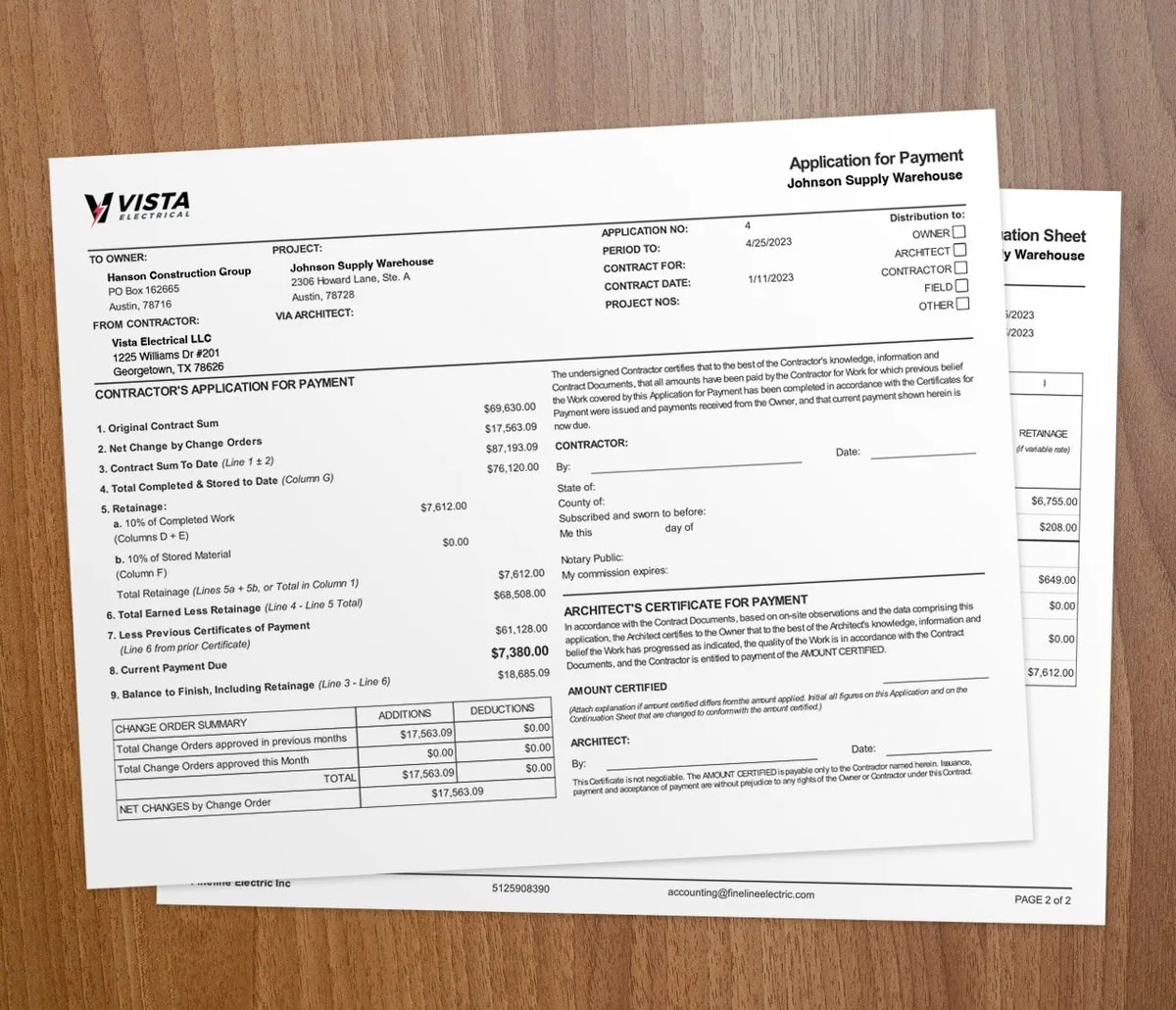

An accurate estimate spells out the scope, breaks down every cost, adds a buffer for surprises, and sets a timeline. It protects your profit and sets clear expectations with the client. Here is how to build one that wins work.
A good estimate does two jobs at once. It tells the client what they get and what it costs. It also keeps you from underbidding and eating the difference. Sloppy estimates cause disputes, overruns, and lost margin.
This guide walks through what to include, the steps to get it right, and the mistakes to avoid. For a deeper method, see how to create accurate construction estimates.
What makes a great project estimate?
A strong estimate has four parts. Cover all of them and you leave little room for confusion.
- Scope of work: State what the job includes and what it does not. This is your defense against scope creep.
- Itemized costs: Break out materials, labor, permits, and other costs so the client sees where the money goes.
- Contingency: Add a buffer for surprises like price swings or hidden damage.
- Timeline: Give a start and end date so the client can plan.
These four parts build trust and show you run a professional shop. For help splitting a large job into billable line items, see our guide to the schedule of values.
How do you create an accurate estimate?

Follow these steps to tighten your numbers and cut guesswork.
1. Visit the job site. Walk the space to spot challenges and hidden costs before you price. 2. Take exact measurements. Precise numbers keep you from shorting materials or labor. 3. Check current pricing. Confirm material costs with suppliers since prices move. 4. Use estimating software. Construction estimating software speeds up the math and cuts errors. 5. Review past jobs. Compare similar projects to spot trends and recurring costs.
These steps improve accuracy and save time. They also free you up to run the business instead of redoing quotes.
What estimating mistakes should you avoid?
Even seasoned contractors trip on the same things. Watch for these:
- Underestimating labor hours or how long tasks really take
- Forgetting material waste and leftover stock
- Skipping permit or inspection fees
- Ignoring delays from weather or supply problems
Each miss eats your margin. Build them into the estimate so the price holds up. For the math behind pricing in profit, read markup vs margin.
How does Werx support your estimating?
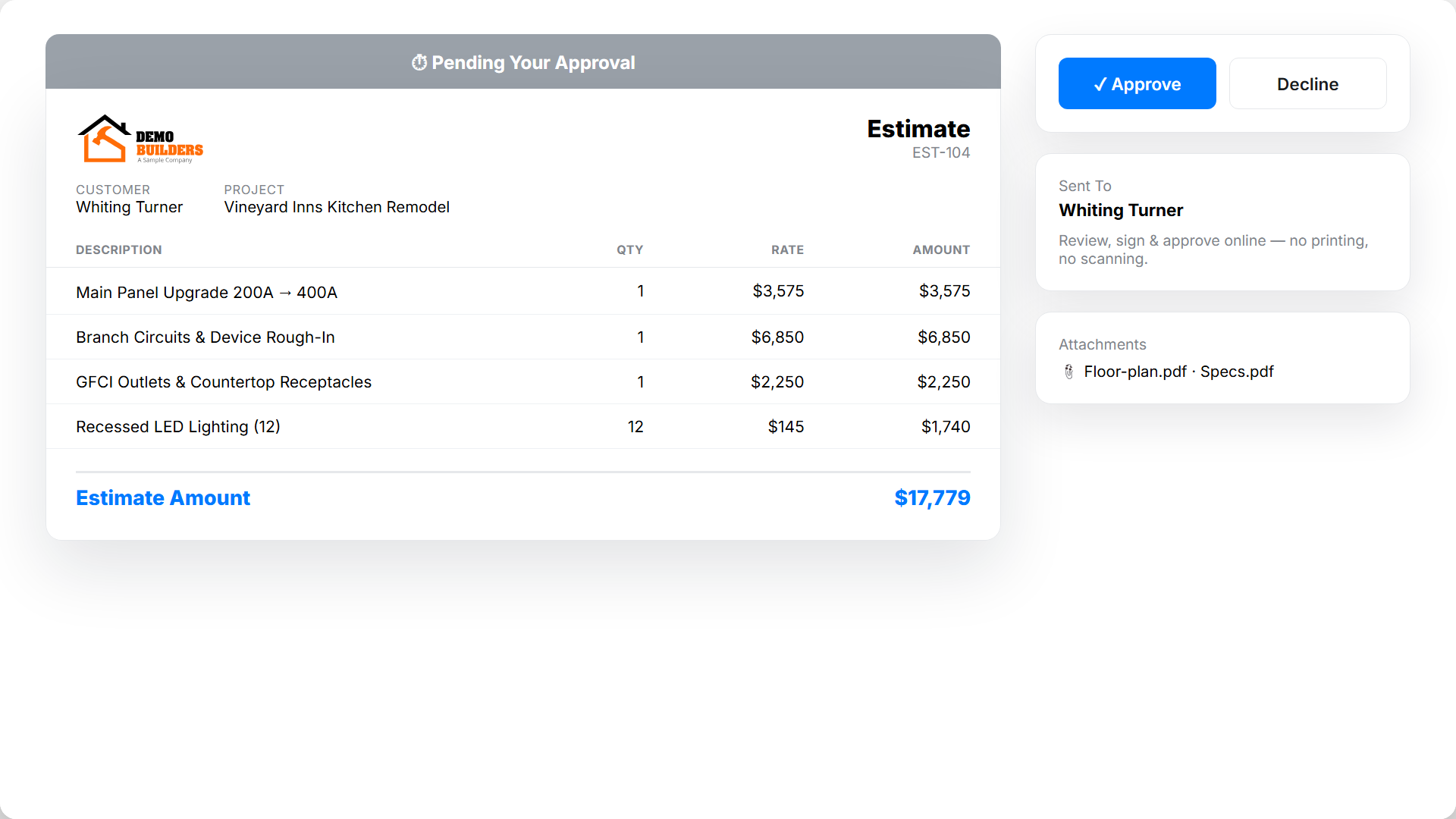
Once you have the basics down, contractor software like Werx makes the work faster. With flexible estimates, you build itemized proposals clients approve online. That speeds up approvals and keeps everything in writing.
Werx also syncs with QuickBooks for clean accounting. And it offers payment processing so you get paid faster once the work starts.
When should you spend more time on an estimate?
Put extra time into estimates for big, complex, or fixed-price jobs. The bigger the contract, the more a small error costs you. A detailed estimate is your safety net.
For small, repeat jobs, a saved template like our free construction estimate template gets you a solid number fast. Match the effort to the risk. For a breakdown of which estimate fits which job, see our guide to the five construction estimate types.
Key takeaways
- A great estimate covers scope, itemized costs, a contingency buffer, and a timeline.
- Visit the site, measure exactly, and confirm current prices before you quote.
- Watch for missed labor hours, material waste, permit fees, and delays.
- Match estimating effort to job size; spend more time on big or fixed-price work.
- Contractor software like Werx builds itemized estimates clients can approve online.