
To grow a plumbing business, build four things: tight operations, clear numbers, pricing that earns real profit, and steady lead flow. Those systems let you handle more work without dropping quality. A growth plan turns them into a path you can follow, whether you are hiring your first tech or opening a second market.
How do you build a foundation for growth?

Get the basics solid before you push hard. Fast growth on a shaky base leads to quality slips, cash flow gaps, and burnout.
Tighten operations
Write down your processes for everything from dispatch to invoicing. Standard steps keep work consistent as you add people. Plumbing contractor software that handles time tracking, estimates, and billing in one place cuts the busywork. The right tool also shows you the best software features for plumbing contractors to grow on.
Know your numbers
You cannot grow what you do not measure. Track revenue per job, labor as a percent of revenue, estimate close rate, and customer acquisition cost. See which contractor KPIs to track so you spend time on the metrics that move profit.
Build your reputation
Online reviews are the new word of mouth. Ask happy customers for a Google review on a set schedule. Reply to every review, good or bad. A strong review profile feeds steady leads with no ad spend.
What growth strategies work for plumbers?
Pick the moves that fit your market and your crew. You do not need all of them at once.
Expand your services
If you run residential service now, add commercial work, new construction, or specialty lines like gas piping or water treatment. Each new service opens revenue and cuts your reliance on one market.
Hire and develop talent
Growth needs more hands. Build a hiring pipeline through trade schools and apprenticeships, and create a shop culture that keeps good plumbers. Train every hire so the work matches your standard.
Price for profit
Many plumbing shops undercharge because they miss real costs. Your price has to cover materials, labor, overhead, profit, and the cost of callbacks. Learn to price jobs for profit using markup vs margin, then use past job data to refine your numbers.
Invest in marketing
Set aside a steady percent of revenue for marketing. A mix of local SEO, Google Ads, social media, and community work builds more than one lead channel. Track which sources bring the most profitable jobs and fund those.
Add service agreements
Recurring agreements for maintenance, inspections, or seasonal checks give you predictable revenue. They also keep your name in front of customers. Learn how to create maintenance plans for recurring revenue that smooth out slow seasons.
How should you plan finances for growth?

Growth needs capital. Common funding needs include:
- Vehicles and equipment for new crews
- Marketing spend to fill new capacity
- Working capital to cover the gap between costs and collections
- Technology to manage the added complexity
Build projections for these costs and the time to profit. Use your accounting data and a tool that handles invoicing and online payments to model growth scenarios and see the cash flow impact of each.
How do you grow without losing quality?
The biggest risk in scaling a service business is quality drift. Protect your name by:
- Setting clear quality standards and holding the crew to them
- Using quality checklists for common job types
- Following up after every job to catch issues early
- Using technology to keep visibility as you grow
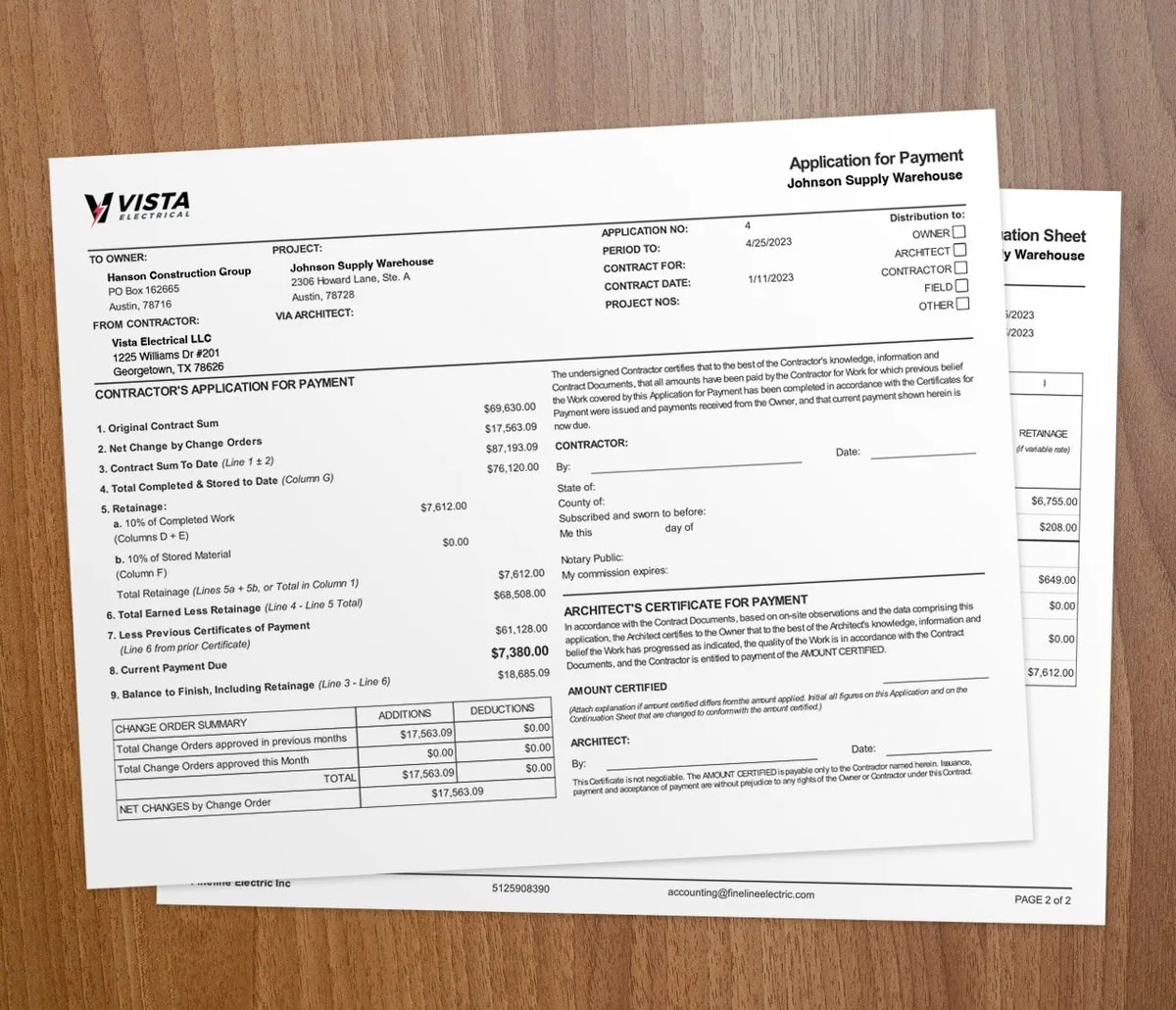
Accurate time and materials billing keeps invoicing clean as volume climbs, and AIA-style billing handles the paperwork on larger commercial jobs.
Is your plumbing business ready to scale?
You are ready when the core is steady: documented processes, clear numbers, and pricing that earns real profit. If those are in place, hiring and marketing add fuel to a working engine.
Hold off if quality slips on your current load or cash runs tight between jobs. Fix the base first. Pouring more work onto weak systems makes the cracks wider, not smaller.
Key takeaways
- Set a solid base of documented processes and clear numbers before you scale.
- Track the few KPIs that drive profit, like revenue per job and estimate close rate.
- Price every job to cover materials, labor, overhead, profit, and callbacks.
- Service agreements add predictable revenue and smooth out slow seasons.
- Contractor software like Werx ties time, estimates, and billing together so growth does not break your back office.