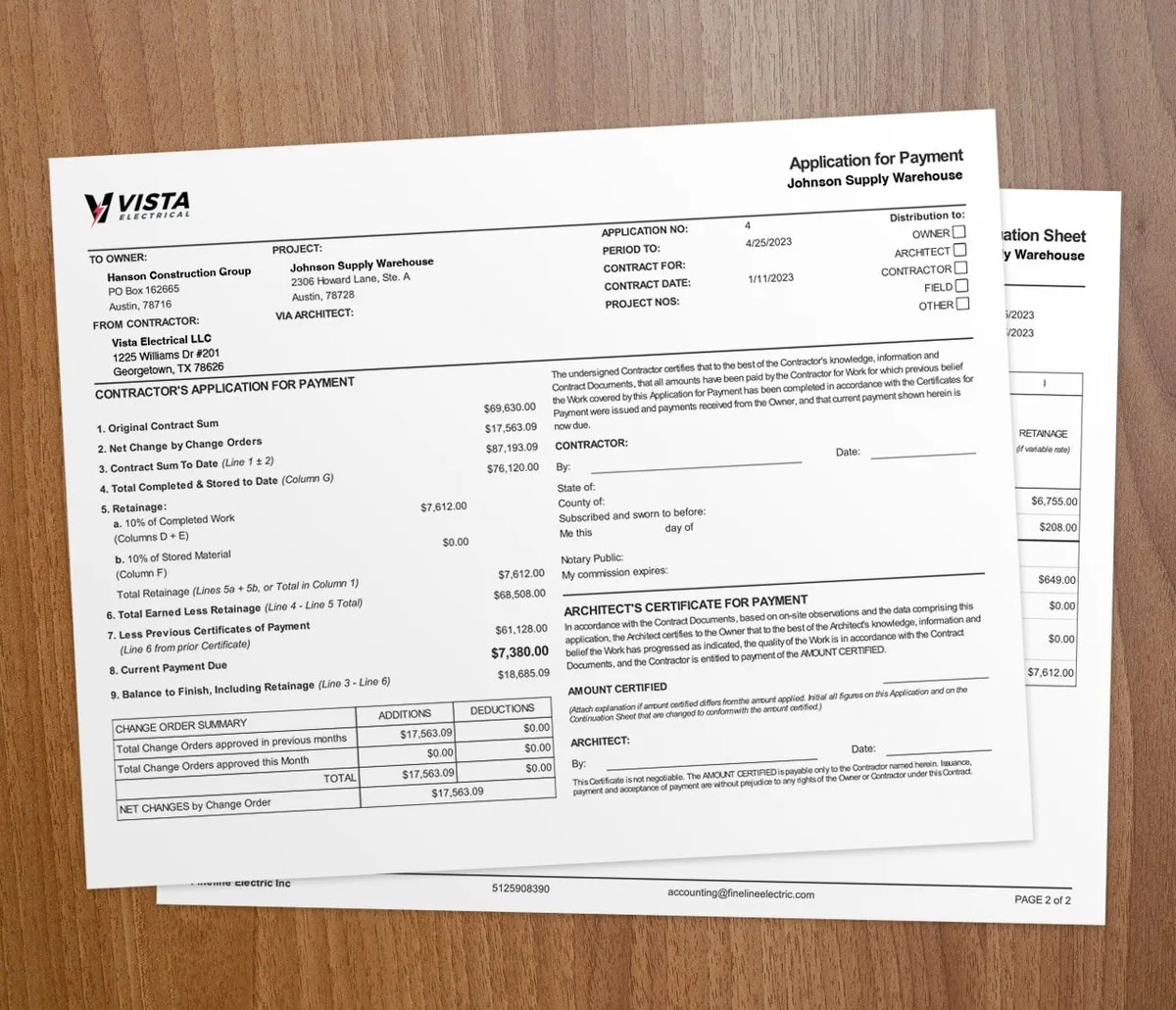

The right billing software lets HVAC contractors invoice from the field and get paid on the spot. It handles service calls, maintenance plans, time and materials work, and commercial installs from one place. Faster invoices mean faster cash.
What makes HVAC billing hard?

HVAC billing is not like other trades. Between service calls, maintenance plans, equipment installs, and warranty work, you bill many job types. You need a flexible system for a one-hour repair and a multi-phase commercial install alike.
Many job types
An HVAC business might handle emergency calls, scheduled maintenance, equipment swaps, new construction, and commercial projects in one week. Each job type has its own pricing, billing method, and paperwork.
Field invoices
Many HVAC jobs finish in one visit. You need to make and send the invoice on-site. Waiting days after a service call delays payment and lowers your collection rate.
Service agreement billing
Recurring maintenance plans need steady, automatic billing. Making and sending monthly or quarterly invoices for dozens or hundreds of agreements by hand breaks down as you grow.
Time and materials work
HVAC jobs often mix variable labor and a wide range of parts, from filters and refrigerant to compressors and control boards. Tracking and billing every part correctly takes a solid system. For the full method, read our time and materials billing guide.
How does the right software fix this?
Flexible invoicing
Contractor software like Werx supports many billing formats in one place. Whether you need a simple service invoice, a time and materials breakdown, or formal AIA-style billing for a commercial project, the tool fits each job.
Mobile invoices
Modern software lets techs make and send invoices from the field on a phone. The client gets a clean, itemized invoice before the tech leaves and can pay right away through payment processing.
Accurate time tracking
Time tracking tools capture the real time spent on each job, so billable hours are correct and fully caught. Logging time against the job at clock-in keeps hours accurate and billing honest. For more, see our guide to mobile time tracking for contractors.
Professional estimates
For bigger jobs like equipment swaps or new installs, clean estimates help you win the work. Branded proposals that itemize equipment, labor, and warranty options build client trust and set clear expectations. Our free HVAC estimate builder is a quick way to put one together.
Accounting that stays in sync
Connecting your billing to QuickBooks ends double entry. Every invoice, payment, and expense lands in your books correctly.
What to look for in HVAC billing software
When you compare billing software for your HVAC business, look for:
- Mobile capability to make invoices in the field
- Multiple billing formats for service calls, T&M work, and commercial projects
- Built-in payments so clients can pay digitally from the invoice
- Time tracking with job-level allocation for accurate job costing
- Accounting integration to keep your books current without manual entry
- Customer management to track service history, agreements, and communication
Recurring maintenance plans deserve a close look. See how to build maintenance plans for recurring revenue and pick software that bills them on autopilot.
When should you upgrade your billing software?
Upgrade when manual billing starts to slow you down. What works for 20 jobs a month falls apart at 100. If techs sit on invoices, or you spend nights chasing service-agreement billing, it is time.
Stick with a simple setup if you run a handful of jobs and collect fast. The switch pays off once volume, service plans, or commercial work make spreadsheets a drag. Software that automates invoicing, tracks time, and syncs with accounting scales as you grow.
How does faster billing help cash flow?
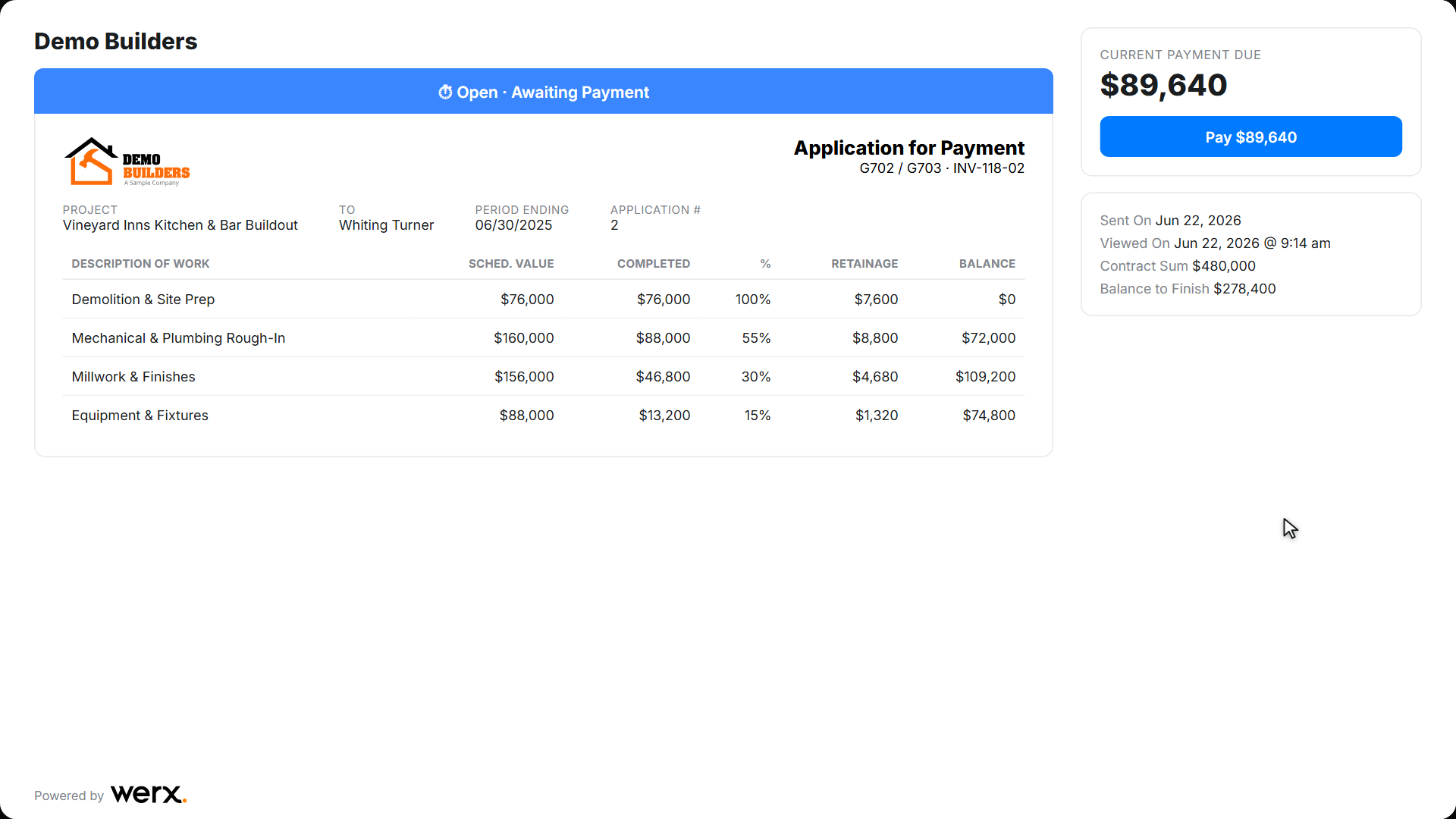
Faster invoicing leads to faster payment. When you bill a service call the same day and give the client an easy way to pay online, your average collection time drops a lot.
Better cash flow cuts your need for credit lines and lowers financing costs. That gives you more room to invest in growth.
Key takeaways
- HVAC billing spans service calls, maintenance plans, T&M work, and commercial installs.
- Field invoicing and online payment cut your collection time.
- Recurring service agreements need automatic, repeatable billing.
- Time tracking by job keeps billable hours accurate and honest.
- Upgrade when manual billing slows you down or volume climbs past what spreadsheets handle.