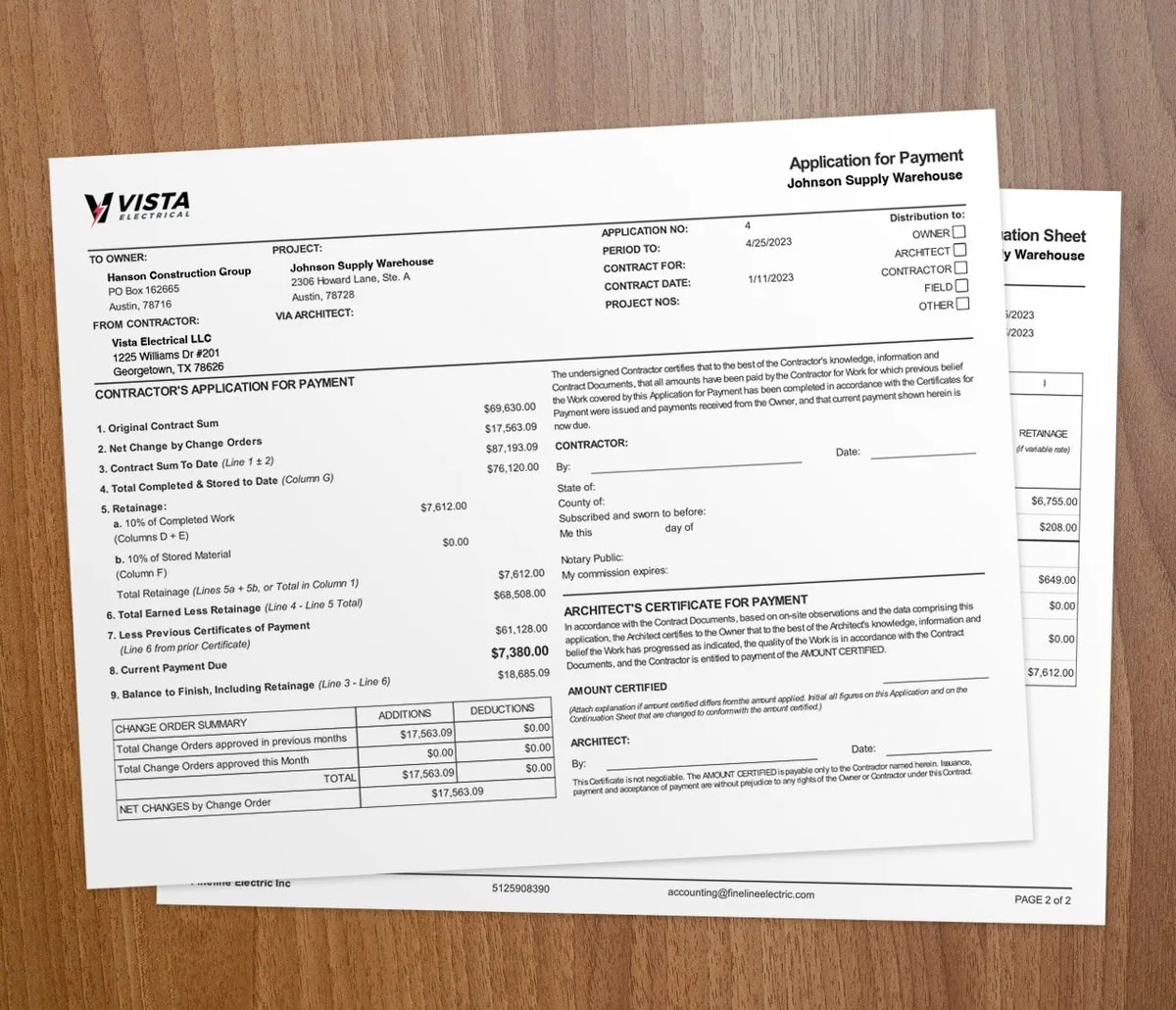

The key benefit of HVAC contractor software is that it runs the business side of your shop from one place: time tracking, estimates, billing, payments, and accounting sync. Built for the trade, it fits real HVAC workflows like service calls, installs, maintenance plans, and commercial jobs. That saves office hours and gives you the data to price and grow with confidence.
Why do HVAC contractors need specialized software?

Generic business tools do not fit how HVAC work runs. Purpose-built software matches your jobs, your field crews, and your billing.
It fits HVAC workflows
HVAC work runs across a wide range. A one-hour emergency call, a multi-day residential install, an ongoing maintenance plan, and a months-long commercial job. Generic project tools struggle with that mix. Software built for contractors adapts to each job type while keeping one clear view of the business.
It works in the field
Most HVAC work happens on site, not at a desk. Your tool needs to work as well on a tech's phone at a job as it does on a dispatcher's screen. Mobile-first design lets crews capture time, send invoices, and pull up job details in real time.
It handles complex billing
HVAC contractors bill several ways: flat-rate service calls, time and materials for repairs, progress billing on installs, and AIA-style billing on commercial jobs. The right software covers all of these from one platform.
What are the main benefits of HVAC contractor software?
The payoff shows up in faster pay, cleaner data, and less office work. Here are the benefits that matter most.
Accurate time tracking
Time tracking is the backbone of a profitable HVAC shop. When techs log time from a phone against the right job, you get accurate labor cost that feeds job costing, payroll, and billing. Per-job clock-ins keep hours accurate and billing honest.
Professional estimates
Win more install work with detailed estimates that itemize equipment, labor, and warranty options. Digital estimates send right away, track when a client views them, and convert to a project on approval with no re-entry.
Faster invoicing
Bill from the field or the office with equal ease. Add payment processing links so clients pay by card or bank transfer on the spot. Faster invoices mean faster pay and better cash flow.
Integrated accounting
Manual bookkeeping drains time. QuickBooks sync posts invoices, payments, and expenses for you. Your books stay accurate with no double entry, which makes tax time and reporting easier.
Project visibility
Track every active job, from quick service calls to multi-week installs, in one dashboard. You can see status, budget vs actual cost, and outstanding payments at a glance. It also helps to track job progress by percent complete so you catch issues before they grow.
Better job costing
When time, materials, and expenses post to each job, you know which work makes money and which loses it. That data sharpens your pricing over time. See how real-time job costing gives you the true cost of every job.
How do you choose the right HVAC software?

Match the tool to your daily work and test it before you commit.
Must-have features
- Mobile app with offline use for the field
- Multi-format billing (flat rate, T&M, AIA, progress)
- Time tracking with mobile clock-in and job allocation
- Estimating with templates and digital delivery
- Payment processing for online collections
- Accounting sync with QuickBooks
How to evaluate options
- Ask for a demo built around HVAC workflows, not a generic pitch.
- Test the mobile experience. Have a tech try it on a real job.
- Confirm the sync with your existing accounting works smoothly.
- Check support hours against your business hours.
- Ask about onboarding and training.
When does HVAC software pay off?
Software pays off once manual work starts costing money. If you miss billable hours, chase unpaid invoices, or rebuild estimates by hand, a purpose-built tool earns back its cost fast. The same holds true once you run more than a truck or two.
A solo operator with light volume can start with a basic invoice app. The value grows as you add techs and take on commercial work that needs AIA billing and job costing. If you are still weighing options, our guide on buying HVAC software walks through what to compare.
How does software help you scale an HVAC business?
As you grow from one truck to five, then to twenty, the manual habits that worked small start to break. Software gives you the structure to add techs, take on more jobs, and enter new markets without losing grip on your finances or service quality. It also helps you compete with big firms using technology on price and service.
Key takeaways
- HVAC software built for the trade fits your real workflows: service, installs, maintenance, and commercial jobs.
- Mobile time tracking keeps labor cost accurate and tied to the right job.
- Online payment links on invoices get you paid faster and protect cash flow.
- Job costing data shows which work earns money so you can price with confidence.
- Contractor software like Werx ties these features into one platform built to scale with your shop.