
Before you buy HVAC software, check three things: the features your techs will use daily, how it syncs with your books, and whether it works on a phone in the field. Get those three right and the tool pays for itself. Here is how to compare options and avoid a costly mistake.
How has HVAC work changed?
HVAC shops have moved from paper calendars and mailed invoices to digital tools that handle scheduling, billing, and records in one place. The shift cut errors and freed up office time. The table below shows the difference.
| Aspect | Traditional Approach | Software-Driven Approach |
|---|---|---|
| Scheduling | Manual, paper-based calendars | Digital, real-time scheduling |
| Client Communication | Phone calls, face-to-face meetings | Automated emails, SMS, online portals |
| Record Keeping | Physical files, prone to loss | Digital records, cloud-based storage |
| Invoicing | Handwritten, mailed invoices | Instant digital invoices, online payment |
| Service History | Manual logs, hard to track | Digital logs, easy to access |
| Estimating | Manual math, room for error | Faster, more accurate estimates |
Why should you invest in HVAC software?

Good software pays back in three ways: time, customer experience, and profit.
- Time saved: Digital scheduling and billing cut hours of office work each week, so you spend more time on paid jobs.
- Better customer experience: Real-time updates, automatic reminders, and online payment make it easy for customers to work with you.
- More profit: Fewer manual errors and clearer job data help you price right and protect your margin.
What features should HVAC software have?
Look for the features your team touches every day. These matter most for a service and install shop.
- Scheduling and dispatching: Keep techs where they need to be, with less downtime between calls.
- Quoting and estimating: Fast, accurate estimates can be the difference between winning and losing a job.
- Job management: One place to store job details that techs can pull up in the field.
- Invoicing and payments: Automated invoicing with online payment cuts billing time and gets you paid sooner.
- Time tracking: Mobile time tracking puts labor cost on the right job and keeps payroll clean.
- Consumer financing: Flexible monthly payment options can help you land larger jobs.
- Integrations: The ability to sync with QuickBooks and other tools keeps your books accurate without double entry.
For a deeper look at the payoff, see the benefits of HVAC contractor software and how it supports daily work.
What should you consider before buying HVAC software?

Match the tool to your business, not the other way around. Weigh these four points before you commit.
- Size of your business: A small family shop has different needs than a large service provider. Make sure the tool grows with you.
- Integration: Does it sync with QuickBooks and your payment processor? This drives much of the time savings.
- Mobile access: Techs in the field need the tool on a phone or a mobile site, not just a desk.
- Support and training: The best software still needs good support behind it. Ask about onboarding and training before you buy. A clear plan to choose your contractor tech stack helps you avoid tools that do not talk to each other.
When is HVAC software worth it?
Buy software once manual work starts costing money. If you miss billable hours, chase unpaid invoices, or lose jobs to slow quotes, a purpose-built tool pays for itself fast. The same is true once you run more than one or two trucks.
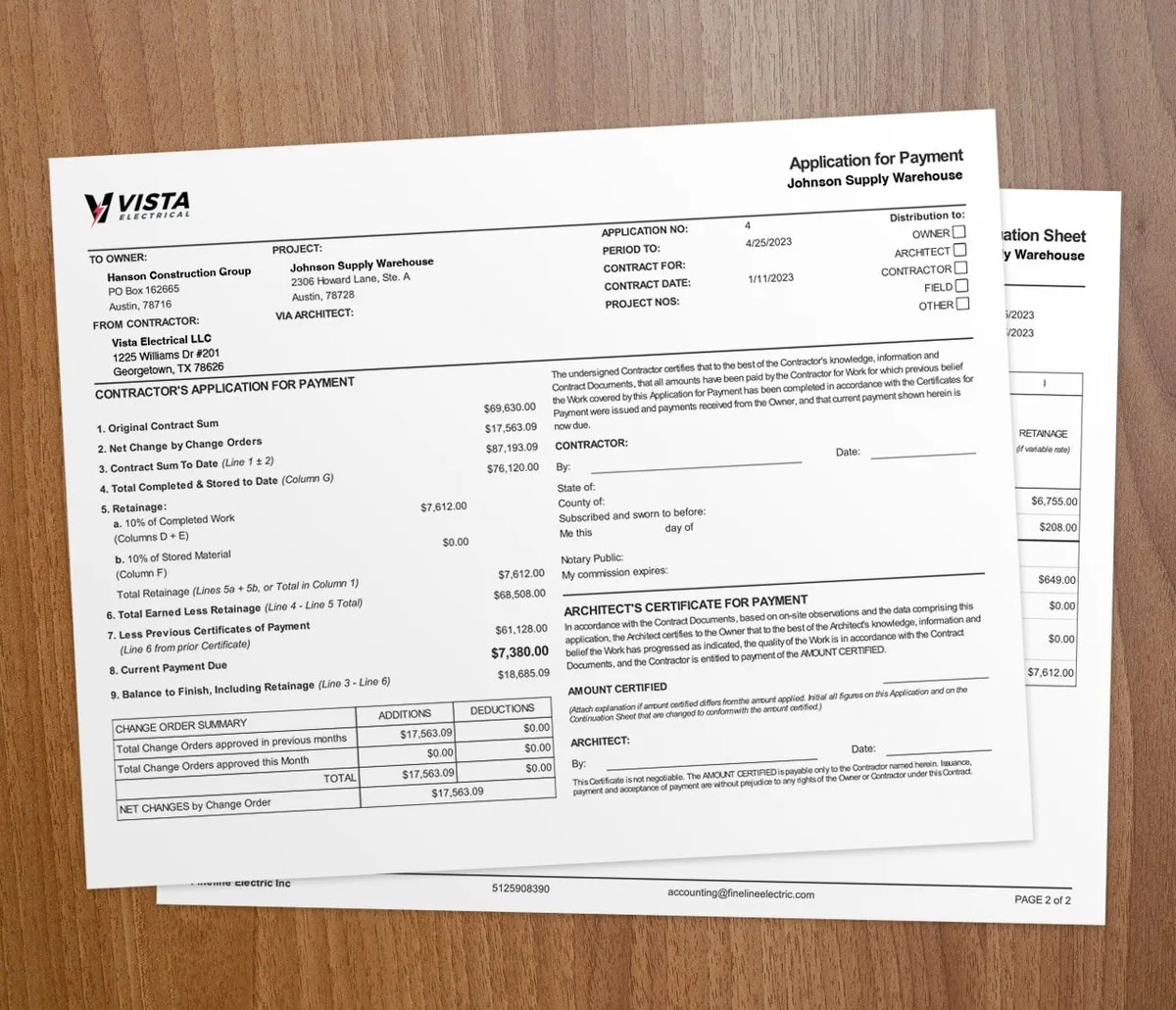
A one-person shop with light volume may get by with a basic invoice app at first. The value climbs as you add techs, take on commercial work, and need AIA-style billing and job costing. Many shops find that cloud tools save real time in construction once volume grows.
What does Werx offer HVAC contractors?
Werx is built for contractors, not generic businesses. It covers real-time time tracking across jobs, detailed estimates with digital approval, change order tracking, progress billing, and two-way QuickBooks sync. You also get customer profiles, project history, and communication logs in one place, so the office and the field see the same data.
Key takeaways
- Pick HVAC software around the features your team uses daily: scheduling, estimating, invoicing, payments, and time tracking.
- Integration with QuickBooks and your payment processor drives most of the time savings.
- Mobile access matters because most HVAC work happens in the field, not the office.
- Match the tool to your size and ask about support and training before you buy.
- Contractor software like Werx pulls these features into one platform built for HVAC shops.