
An RFI, RFP, and RFQ are three procurement documents that each do a different job. An RFI gathers information. An RFP asks vendors for full proposals. An RFQ asks for firm prices. Use the right one at the right stage and you clarify scope, cut risk, and control spending.
Here is the short version of each:
- RFI (Request for Information): Gathers early details on vendor capabilities and market conditions.
- RFP (Request for Proposals): Asks for detailed proposals that show technical approach and delivery plan.
- RFQ (Request for Quotations): Asks for exact pricing against set specs.
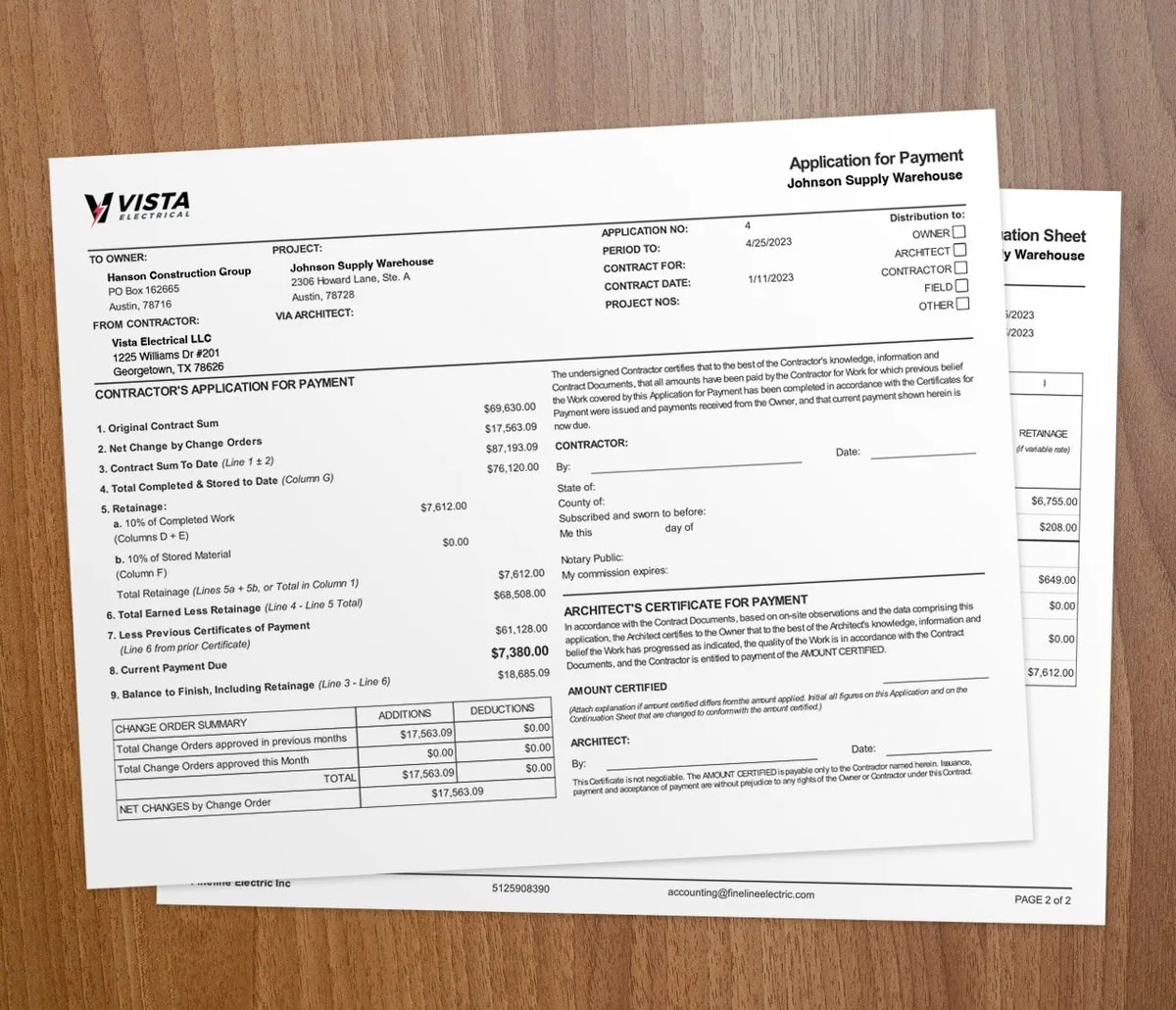
You can plan and price work in one place with tools like estimates and AIA-style billing.
What is an RFI?
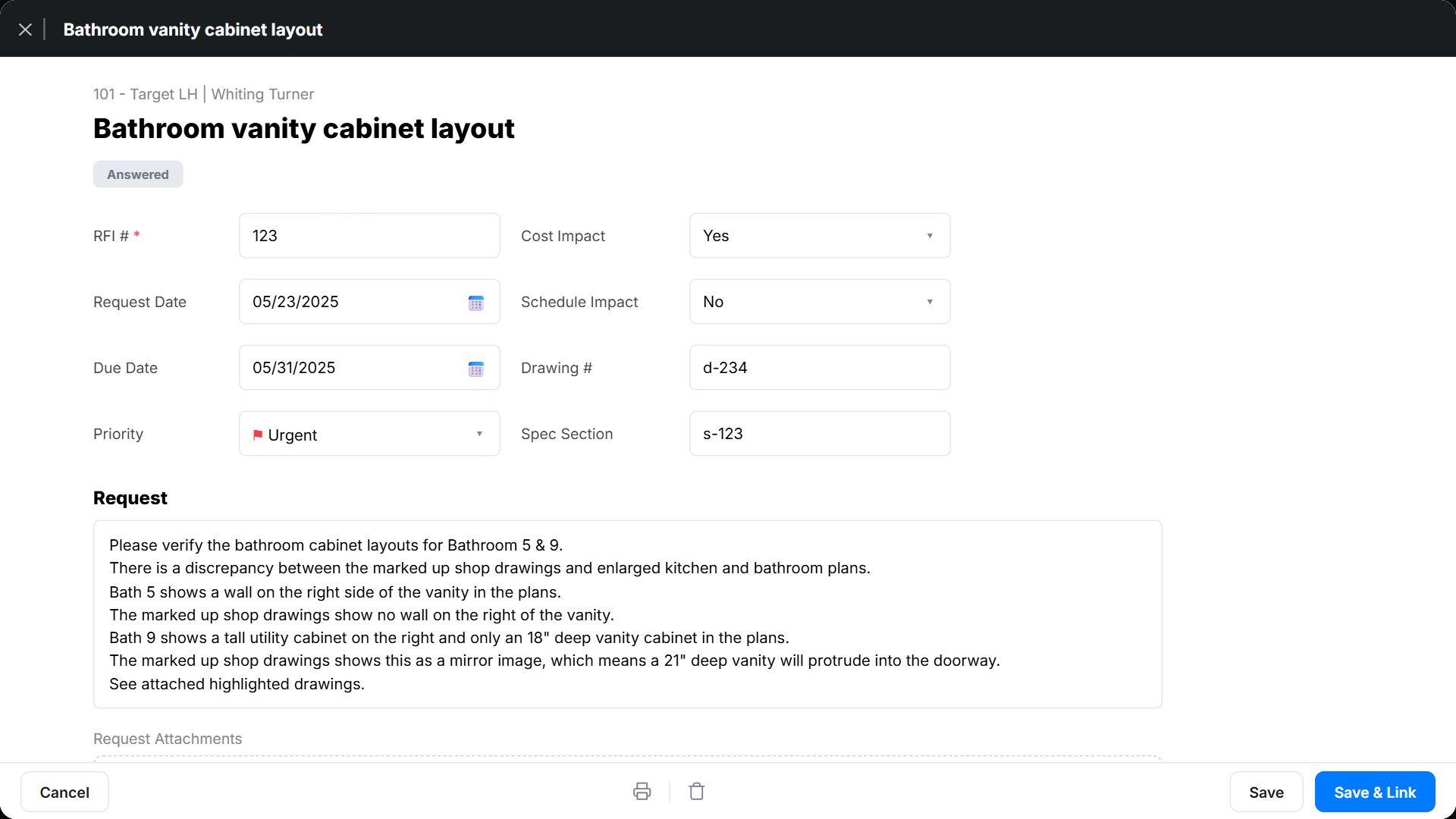
A Request for Information (RFI) is a formal way to gather facts before you commit to anything. You send it to potential suppliers to learn about their capabilities, the market, and possible solutions.
An RFI helps you see what a vendor actually offers and where they stand in the trade. It is the foundation the rest of your procurement is built on. The estimates feature can help you turn what you learn into a working budget.
What is an RFP?
An RFP (Request for Proposals) is a detailed document that lays out the project's needs and asks vendors to respond. You use it to weigh their technical skill and ability to deliver.
Why RFPs matter
An RFP gives you a fair way to compare vendors on:
- Technical expertise: Can they meet the project specs?
- Cost: Does the proposal make financial sense?
- Delivery: Can they hit the timeline and quality bar?
How to evaluate an RFP
Look at vendor reputation, problem-solving ability, and how well they meet industry standards and rules. A good construction proposal makes these answers easy to find.
What is an RFQ?
An RFQ (Request for Quotations) asks suppliers for exact pricing against set specs. It makes sure the goods or services meet your standards and stay inside the budget.
The RFQ process
1. Define the details: Write out the specific requirements of the job. 2. Pick suppliers: Choose vendors who can supply what you need. 3. Request quotes: Send the RFQ with full details so quotes come back accurate. 4. Evaluate quotes: Compare submissions to find the best fit. 5. Negotiate: Talk terms if you need to.
Once a quote becomes an order, a purchase order locks in the price. Our free purchase order template covers that step. See how it works in our guide on using purchase orders to control costs.
Managing costs with Werx
Werx keeps the money side tight with payment processing and AIA-style billing. The QuickBooks integration keeps your records consistent across jobs.
How do RFPs, RFIs, and RFQs work together?

The three documents stack in order. RFIs screen vendors early. RFPs dig into detailed proposals. RFQs pin down exact prices. Run them in that order and you cut procurement risk and waste. Well-vetted vendors deliver more reliably, which means fewer disruptions on site.
When should you use each document?
Match the document to the stage of your buying process:
- Use an RFI early, when you are still learning the market and which vendors can do the work.
- Use an RFP when scope and quality matter most and you want to compare full approaches.
- Use an RFQ when the scope is set and price is the deciding factor.
For a small, well-defined buy from a known supplier, you can skip straight to an RFQ or a purchase order. For complex work with many unknowns, start with an RFI.
Key takeaways
- An RFI gathers information, an RFP asks for proposals, and an RFQ asks for firm prices.
- Run them in order, RFI to RFP to RFQ, to cut procurement risk.
- Use an RFI early, an RFP when scope matters, and an RFQ when price decides.
- A clear RFP makes it easy to compare vendors fairly.
- Turn a winning quote into a purchase order to lock the price and protect your budget.