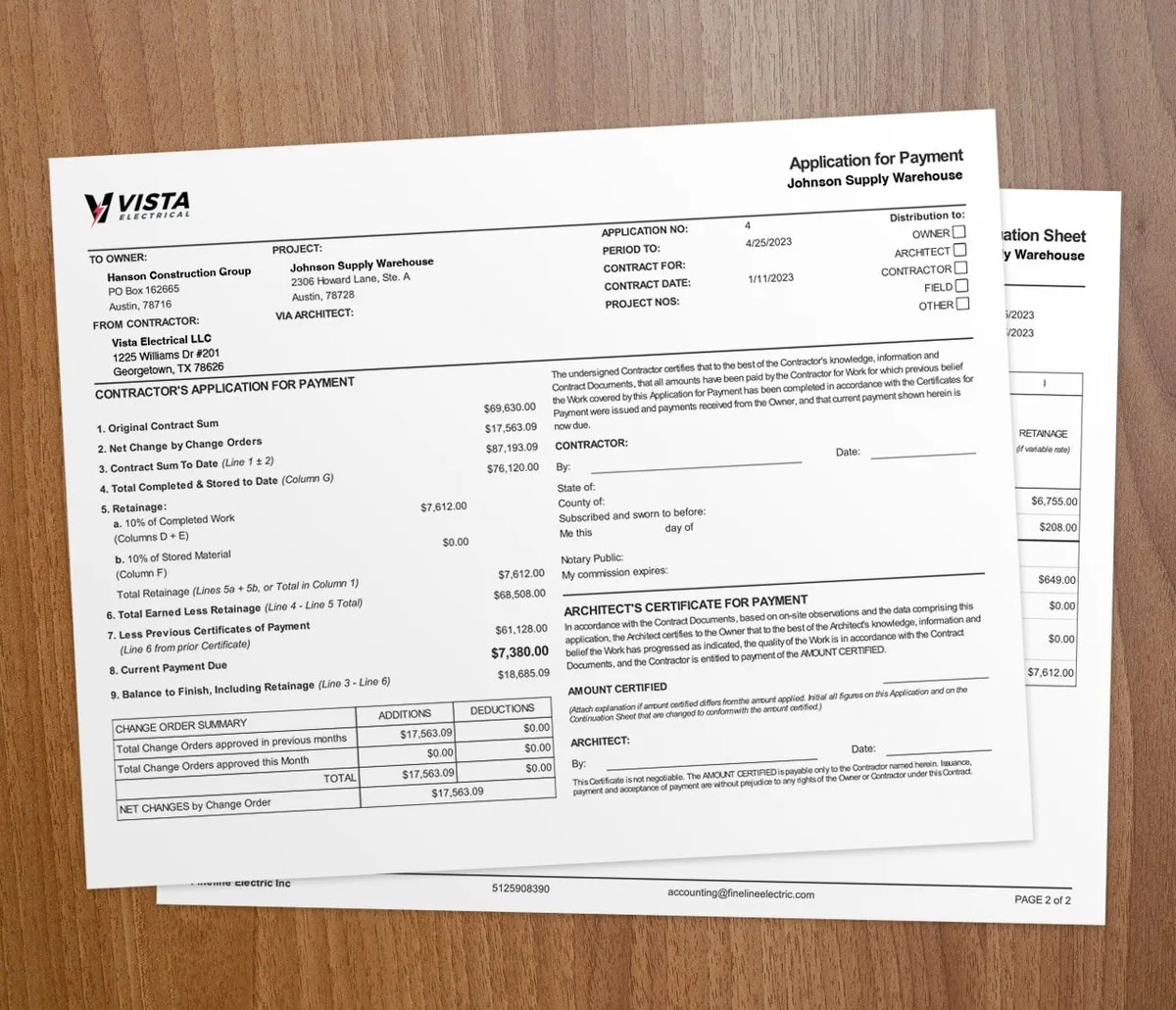

Understanding Purchase Orders in Construction Management
Purchase Orders (POs) are a fundamental aspect of cost management in the construction industry. Acting as formal agreements, they specify the types, quantities, and agreed prices for products or services. This legal document not only ensures clarity but also fosters effective budgeting by preventing unexpected expenditures. Through POs, construction managers can maintain a solid grip on project finances, ensuring alignment with financial plans.
The role of POs extends beyond paperwork. By detailing precise requirements, these orders minimize misunderstandings and disputes about materials and services between contractors and suppliers. This enhances coordination across stakeholder groups and sets the expectations clear from the start. Such transparency is crucial in large-scale projects, where multiple vendors are involved, making Purchase Orders indispensable in managing costs efficiently and effectively. For construction managers looking to streamline the process, integrating POs within technology platforms can further enhance operational efficiency.
As such, managing Purchase Orders Construction becomes a key strategy in the larger goal of managing complex projects successfully.
Enhancing Budget Control and Financial Clarity
Purchase orders play a pivotal role in fostering budget control and providing financial clarity within construction projects. By outlining specific quantities and costs of materials and services, POs serve as a crucial framework for managing purchasing transactions. This framework ensures that every financial commitment is documented, enabling contractors to maintain strict oversight over their expenditures.
One of the key benefits of using purchase orders is their ability to prevent discrepancies. When contractors adhere to the outlined details in POs, they minimize the risk of budget overruns caused by unauthorized purchases or unforeseen expenses. This meticulous approach not only safeguards the project’s financial integrity but also establishes accountability throughout the purchasing process. Clients and stakeholders can feel confident in the transparency and precision that POs bring to financial transactions.
Moreover, POs help streamline financial operations by detailing all necessary costs upfront. This transparency simplifies the monitoring of actual expenses against the predetermined budget, offering a clear and comprehensive view of project finances. When financial discrepancies do arise, they can be quickly identified and rectified, thanks to the structured approach of POs.
For contractors looking to optimize their budget management and financial processes, tools like Werx’s pricing plans and payment processing capabilities offer substantial support. These solutions can enhance financial control by integrating robust accounting practices into everyday project management. To learn more about the available financial tools for ensuring effective budget control, consider checking out Werx’s pricing information.
Ultimately, purchase orders contribute to a disciplined financial environment where construction projects are completed within budget and on schedule. By embracing the clarity and control that POs provide, contractors can achieve greater success in managing complex construction processes. As the construction industry continues to evolve, the importance of POs in maintaining fiscal responsibility becomes increasingly clear, underscoring their value in strategic financial planning.

Maintaining Comprehensive Purchase Records
In the realm of construction management, the importance of meticulous record-keeping cannot be overstated. Purchase orders significantly contribute to maintaining comprehensive purchase records, which are vital for tracking expenses against project budgets in real-time. These records provide an organized account of all transactions, enabling project managers to have an accurate snapshot of their financial standing at any given moment.
The detailed histories that purchase orders furnish help predict cash flow accurately and make informed financial decisions. By documenting each purchase’s specifics, contractors can easily forecast future financial needs and allocate resources efficiently. This facilitates smoother financial planning and avoids cash shortages that could delay project progress.
Moreover, well-maintained purchase records serve as a point of reference for audits and financial reviews, providing evidence of spending and ensuring compliance with financial regulations. This aspect is particularly crucial in large-scale projects involving multiple stakeholders and complex financial arrangements. By having every transaction documented through purchase orders, project managers can quickly resolve financial discrepancies and respond to stakeholder queries with precision and confidence.
Incorporating technology into the management of purchase orders can further enhance this record-keeping process. For instance, utilizing Werx’s Time Tracking feature allows contractors to monitor real-time expenses seamlessly. This integration not only provides precise financial oversight but also aligns labor and material costs with project timelines, ensuring that all financial aspects are kept in check.
Ultimately, diligent record-keeping through purchase orders offers invaluable insights into project progress and financial health. The real-time tracking of expenses helps maintain financial control and supports strategic decision-making, underpinning the success of construction projects. As project complexities grow, integrating comprehensive record-keeping practices with advanced tools becomes ever more critical for effective construction management.
Streamlining Internal Approval Processes
In the landscape of construction management, efficient approval processes are essential for maintaining fiscal discipline and ensuring project adherence to budgets. Purchase orders play a crucial role in streamlining these internal approval procedures, offering a structured method to keep everyone informed and aligned regarding spending decisions.
By employing purchase orders, contractors establish a straightforward chain of command for financial approvals. Before any purchase is finalized, POs require sign-off from designated personnel, ensuring that all expenditures are scrutinized and approved by the appropriate individuals. This protocol not only prevents unauthorized spending but also enforces a culture of responsibility and accountability within the organization.
Furthermore, clearly defined approval processes through POs help reduce bottlenecks that often occur when decisions are required on the fly. When approval workflows are established and understood, project managers can make timely purchasing decisions, preventing delays in procurement and keeping the project timeline on track.
These streamlined processes are further enhanced by technology solutions that facilitate the creation and management of purchase orders. Automated systems, like those provided by Werx, allow for real-time updates and approvals, reducing paperwork and minimizing the time spent on administrative tasks. With digital tools, requests and approvals can be tracked easily, providing a transparent view of all pending and completed purchasing transactions.
Furthermore, by maintaining an audited trail of approvals via purchase orders, contractors can confidently demonstrate compliance with financial policies during audits or reviews. This transparency fosters trust among stakeholders, including clients and partners, ensuring every financial decision is made with clarity and integrity.
In conclusion, integrating streamlined approval processes through purchase orders within construction management not only enhances fiscal discipline but also supports the efficient progress of projects. As the industry continues to embrace digital transformation, leveraging tools that simplify approval processes will become increasingly advantageous, setting the stage for more dynamic and agile project management strategies.
Fostering Stronger Supplier Relationships
Purchase orders are more than just transactional documents; they are vital instruments in nurturing stronger relationships with suppliers. These formal agreements signify a commitment that builds trust and credibility, laying the groundwork for long-term partnerships that benefit both parties involved in construction projects.
With purchase orders, expectations are clearly defined from the outset. By specifying the types, quantities, and terms of purchase, POs eliminate ambiguity and ensure that both contractors and suppliers are on the same page. This clarity reduces the likelihood of disputes, fostering a cooperative environment where issues are resolved amicably and efficiently. As a result, suppliers are more likely to prioritize projects that demonstrate such professional and transparent practices, aligning them with contractors’ timelines and quality standards.
Ensured by the mutual understanding imbued in purchase orders, suppliers are often willing to negotiate better terms or offer favorable credit arrangements. This collaborative stance can lead to cost savings and enhance project profitability. A well-managed supplier relationship propelled by regular POs can translate into better pricing models, priority service, and access to a broader range of materials and services, all critical advantages in a competitive construction market.
The ability to integrate purchase orders with a comprehensive management system further enhances these supplier relationships. Through Werx’s contract projects capabilities, contractors can seamlessly align purchase orders with broader project goals, enhancing coordination and communication with suppliers. This integration positions contractors to harness data-driven insights, streamlining procurement processes and fortifying these vital business bonds.
Ultimately, strategic use of purchase orders in fostering supplier relationships not only improves the cost-effectiveness of projects but also supports timely completion and quality outcomes. As construction projects grow in complexity and scale, leveraging POs to foster robust supplier partnerships will continue to be a cornerstone of successful project execution.

Integrating Purchase Orders with Construction Management Solutions
The integration of purchase orders into comprehensive construction management solutions marks a significant advancement in streamlining financial and operational processes. By embedding PO functionalities within a unified platform, contractors can achieve enhanced synchronization of financial data, effectively reducing errors and boosting efficiency throughout the lifecycle of a project.
Modern construction management solutions, like Werx, are designed to bring all financial aspects of a project under one cohesive umbrella. Integrating purchase orders into these systems facilitates seamless financial coordination, allowing for real-time updates and monitoring of procurement activities. This integration ensures that purchase orders are not isolated documents but are actively linked with project timelines, budgets, and resource allocations, reinforcing overall project control.
Moreover, leveraging technology to integrate purchase orders with existing systems simplifies data management. By synchronizing with accounting tools, such as QuickBooks, contractors can automate financial entries related to POs, thereby minimizing manual data input and reducing the risk of financial discrepancies. This technological synchronization empowers project managers to maintain accurate financial records, making audits and financial assessments straightforward and efficient.
The benefits of integrated purchase order functionalities extend further to enhancing collaboration and communication within project teams. When financial data, including POs, is visible and accessible across departments, it fosters a transparent environment where informed decision-making thrives. This transparency ensures that all team members, from field operatives to executives, are aligned, improving overall coordination and responsiveness to project needs.
For those managing complex projects, the integration capabilities offered by Werx, particularly its QuickBooks Integration, provide robust support for financial synchronization. Such features enhance productivity and ensure that financial management is as seamless and error-free as possible.
As construction processes become more sophisticated, the integration of purchase orders within comprehensive management solutions underscores the importance of technology in driving efficiency and fostering project success. This strategic alignment not only simplifies construction workflows but also empowers contractors to deliver high-quality outcomes on time and within budget.
How Do Purchase Orders Promote Transparency and Control in Construction Projects?
In the complex landscape of construction projects, transparency and control are crucial for achieving successful outcomes. Purchase orders are pivotal in promoting these elements by providing a detailed framework for every transaction. By serving as binding agreements that outline specific terms and conditions for procuring goods and services, POs ensure that all parties involved have a clear understanding of the project’s financial commitments.
Transparency begins with clear, detailed documentation. Purchase orders meticulously record the specifications, quantities, and agreed prices, thereby minimizing misunderstandings and discrepancies. This level of detail offers project managers a comprehensive view of current commitments and anticipated expenditures. By having these records readily accessible, managers can swiftly address any potential issues, such as disputes over deliveries or billing errors, ensuring that all financial dealings are clear-cut and traceable.
Moreover, purchase orders enforce rigorous control over the procurement process. By requiring formal approvals from designated personnel before goods or services are purchased, POs establish stringent oversight mechanisms. This oversight ensures that every financial decision is strategically aligned with project goals and budgets, preventing unauthorized expenditures and maintaining financial discipline.
For enhanced project control, purchase orders are invaluable in tracking expenditures relative to budget allocations. This tracking allows project managers to monitor financial health in real-time, facilitating proactive financial management. When purchase orders are integrated with project management systems, such as those offered by Werx, the transparency and control they provide are amplified, enabling seamless coordination across all project facets.
The strategic role of purchase orders in fostering transparency and control underscores their importance in construction management. By embedding POs within comprehensive management solutions, contractors can enjoy a robust framework for ensuring financial integrity and project success. This approach not only protects the project’s budget but also supports the delivery of high-quality outcomes, reinforcing the essential nature of POs in the construction industry.
To Wrap Things Up: The Indispensable Role of Purchase Orders
Purchase orders are undeniably integral to the fabric of construction management, serving as a cornerstone for financial management, transparency, and project success. By formalizing agreements and offering a structured approach to procurement, POs simplify the complexities of financial management, ensuring projects are delivered within budget and on time.
These essential tools not only secure cost control and accountability but also strengthen relationships with suppliers. By specifying terms clearly, they promote trust and cooperation, paving the way for favorable negotiations and long-term partnerships. Such relationships are invaluable in securing timely deliveries and materials, ultimately contributing to the project’s success and profitability.
Moreover, the integration of purchase orders into advanced construction management systems amplifies their benefits. When coupled with technologies like Werx’s systems, POs evolve from static documents to dynamic components of a wider project management strategy. This integration facilitates error reduction, data synchronization, and seamless communication, ensuring that every aspect of project management is handled with precision and efficiency.
As the construction industry advances and projects become more intricate, the role of purchase orders will only grow in significance. Their capacity to deliver financial clarity and enforce disciplined spending is critical in navigating the challenges of modern construction projects. By incorporating POs into a comprehensive management plan, contractors can enhance strategic planning and execution, ultimately achieving superior results.
For those ready to harness the full potential of purchase orders, exploring management solutions like Werx can provide the tools needed for elevated project oversight. To experience how POs can transform your project management processes, we encourage you to take advantage of Werx’s 30-day free trial. This opportunity allows you to explore the depth of functionality that comprehensive PO management can bring to your construction projects.