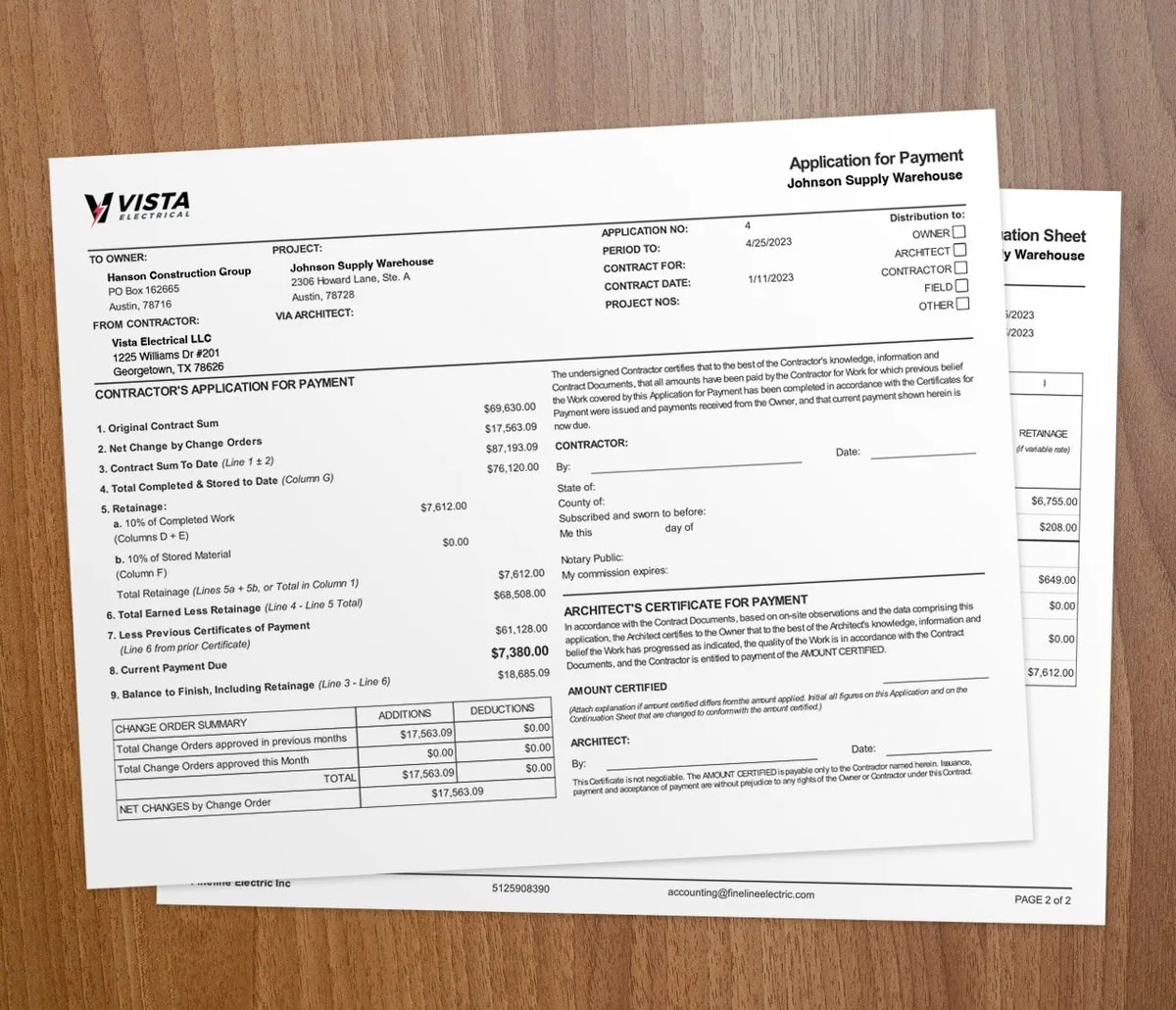

Timekeeping software helps construction managers control the hardest part of any big job: labor. It tracks crew hours, plans labor needs, and flags shortages before they blow your budget.
Labor is one of the biggest causes of project losses. You can promise the right crew size, but without tracking, there is no proof the hours go where they should. The result is wasted man-hours and budget overruns you spot too late.
Most timekeeping tools are cloud-based, so they are affordable and reachable from any device. That makes them a strong fit for managers who want fewer surprises and more profit. Here are six ways the software pays off.
How does timekeeping software help construction managers?
1. Tighten work processes across your company
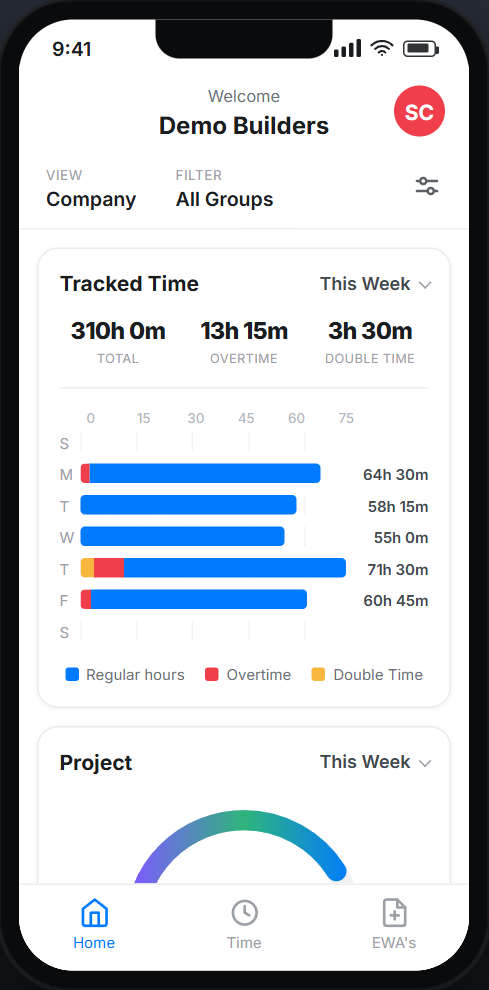
Timekeeping tools are built for many users. They offer real-time reporting and custom workflows, so teams and departments stay coordinated. Some add task delegation and automated reminders, which help every job finish on time and on budget.
2. Plan labor needs for your projects
A job lives or dies on planning. Without clear goals and a schedule of milestones, the work falls behind once it starts.
Timekeeping software fixes this by helping you schedule labor. Many tools include Gantt charts that show what needs doing and when, plus which crews handle each task. Built-in reports give live data on resource use and progress. Because the software is cloud-based, you reach it from any connection.
3. Track labor in real time
Real-time labor tracking is a major win. Without it, workers log hours by hand after each shift, which is slow and inaccurate. With software, every task is tracked as it happens, and the data piles up fast.
You can compare work completed against hours logged, then spot labor shortages or surpluses. That helps you schedule crews better on the next job. Learn more about real-time labor tracking in construction.
4. Improve communication and transparency
Companies stuck on handwritten or spreadsheet tracking work with limited, messy data. They dig through it by hand to find anything useful.
Timekeeping software changes that. It keeps everyone in the loop on progress and clears up confusion. Managers can share task details and even upload job-site photos, so the whole crew knows current conditions.
5. Cut costs and avoid compliance issues
Tighter processes save time and money by cutting errors. You can see how many hours each worker spends on a task. If someone is not pulling their weight, you catch it early.
Workers also see what is expected each day through the app, so company time gets used well. Accurate records help you stay on the right side of wage and hour rules. For the cost of staying manual, read about the costly mistakes of manual time tracking.
6. Make your business easier to finance and sell
A contractor with clean digital records and strong operations is easier to finance, value, and sell. Lenders and buyers trust a business that can show its labor data and margins on demand.
If you want capital for expansion or new equipment, a solid digital track record helps. Managers with around-the-clock access to timekeeping data can make informed calls any time. See how cloud tools save time in construction and support contractor financing and credit lines.
When should you adopt timekeeping software?

Adopt it once you run more than one crew or one job at a time. The moment hours split across jobs and cost codes, paper and spreadsheets stop telling the truth about your budget.
A solo operator on a single job can still use a simple weekly timesheet. But if you bill clients for labor, manage subs, or chase payroll deadlines, software pays for itself fast. For the why behind it, see why time tracking matters in construction.
Get started with Werx
Contractor software like Werx brings these tools together for the trades. From time tracking to progress billing and a QuickBooks sync, Werx covers what you need to run jobs profitably.
Key takeaways
- Timekeeping software helps managers control labor, the biggest source of project losses.
- It plans labor needs, tracks crews in real time, and flags shortages early.
- Cloud access means you reach the data from any job site, any time.
- Clean digital records support compliance and make the business easier to finance.
- It pays off once you run more than one crew or bill clients for labor.